
GA01 · 6 families · 72 references
Restrained fittings
Self-locking couplings and flange adaptors that eliminate thrust blocks.
restrained fittings families
Click a family to see its technical data sheet and all its references.
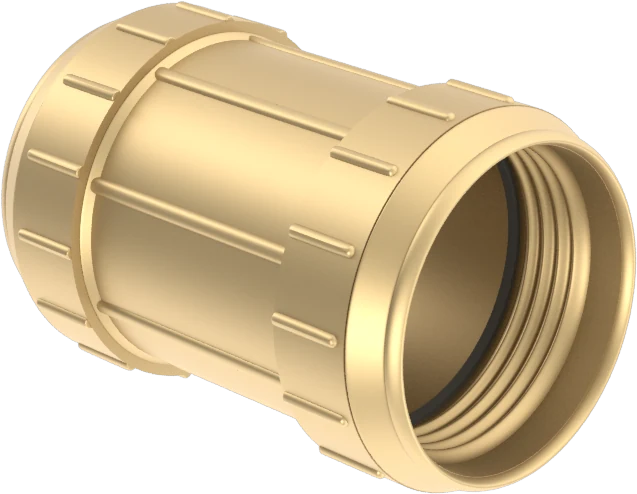
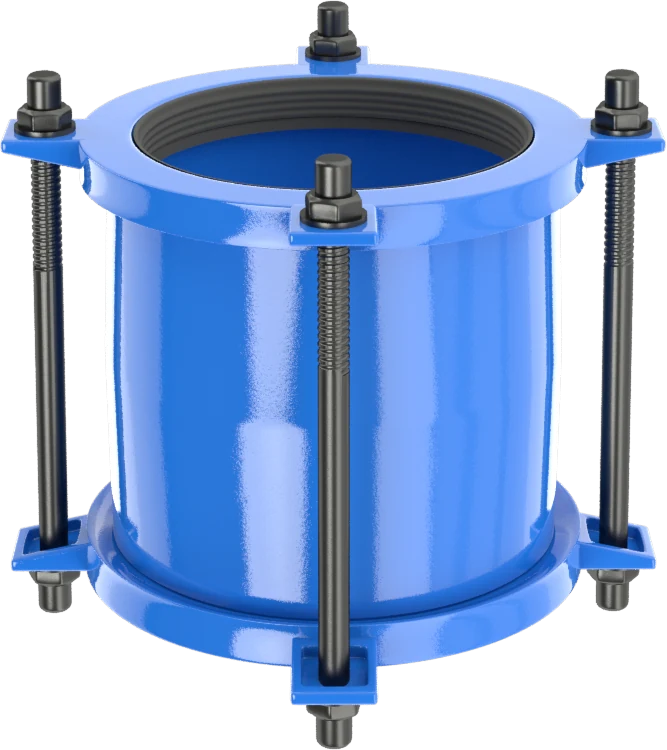
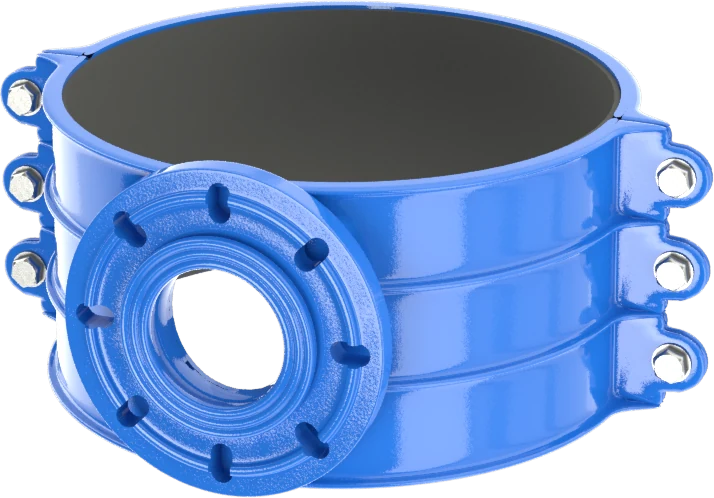
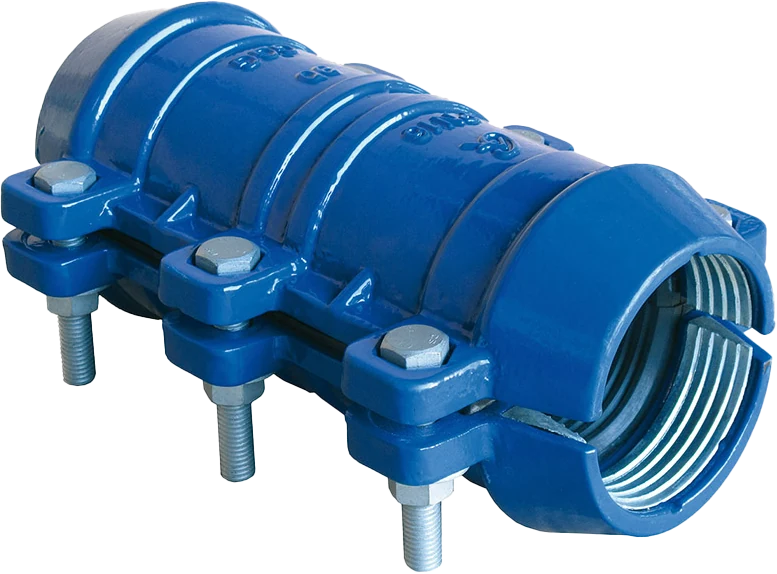
GA01-1Anti-pull-out repair clampSelf-restrained repair clamp made of GGG-40 ductile iron for a fast, permanent pipe repair. Designed with an EPDM gasket for complete watertightnes…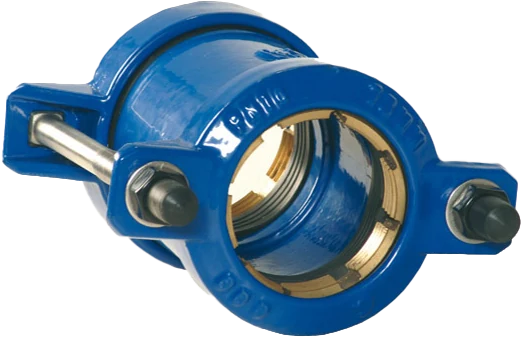 GA01-2Anti-pull-out coupling for PVC/PEAnti-pull-out mechanical coupling made of ductile iron for PVC and polyethylene (PE) pipes. Its locking system with a toothed brass ring ensures a…
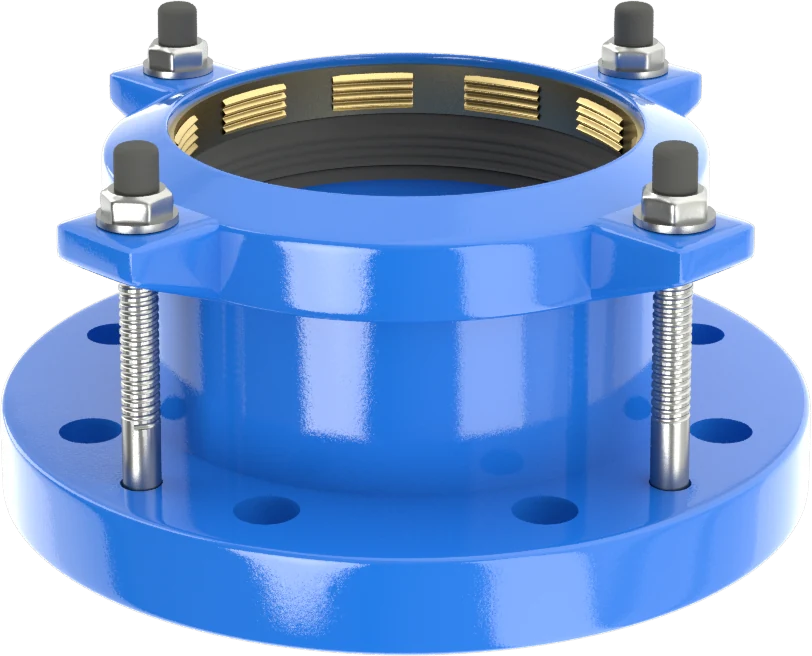
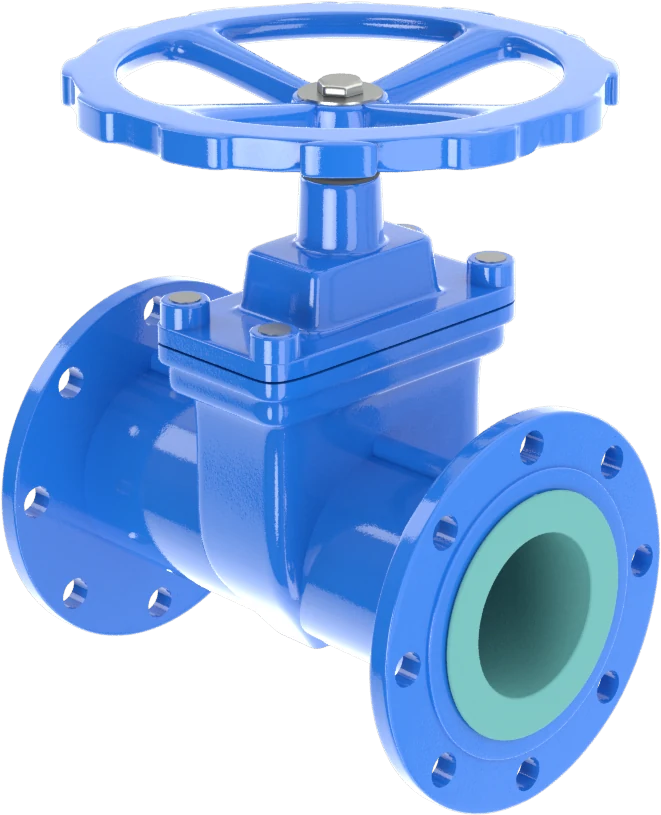
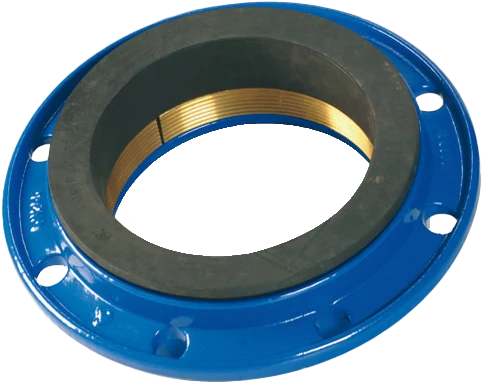 GA01-3Anti-pull-out double-chamber flange adaptorSelf-restrained double-chamber flange adaptor for a secure connection between PVC/PE pipes and flanged components (valves, pumps, etc.). Made of GG…
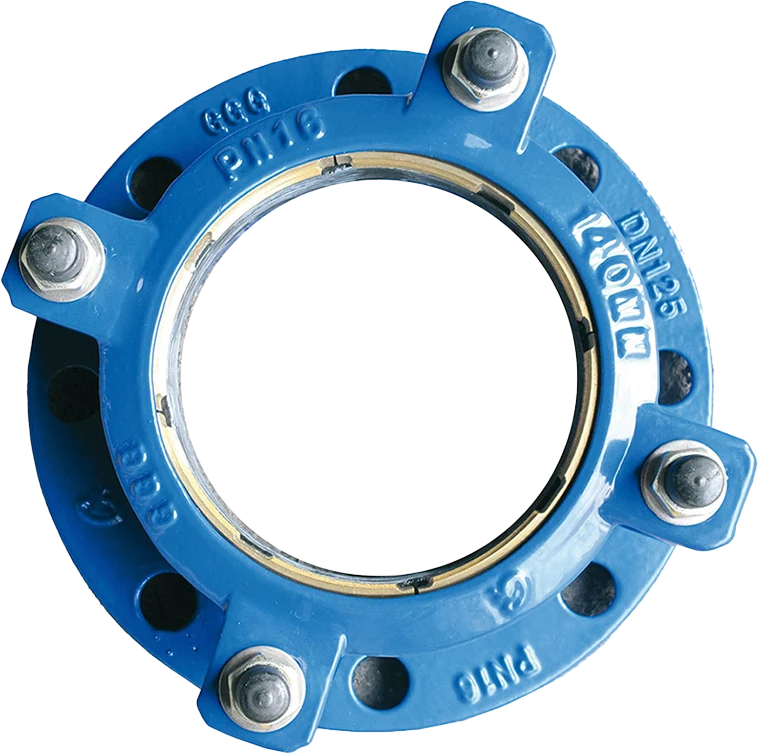 GA01-4Anti-pull-out flange adaptor for PVC/PEFlange adaptor with anti-pull-out system for a direct, secure connection of PVC and polyethylene (PE) pipes to flanged components. Made of GGG-50 d…
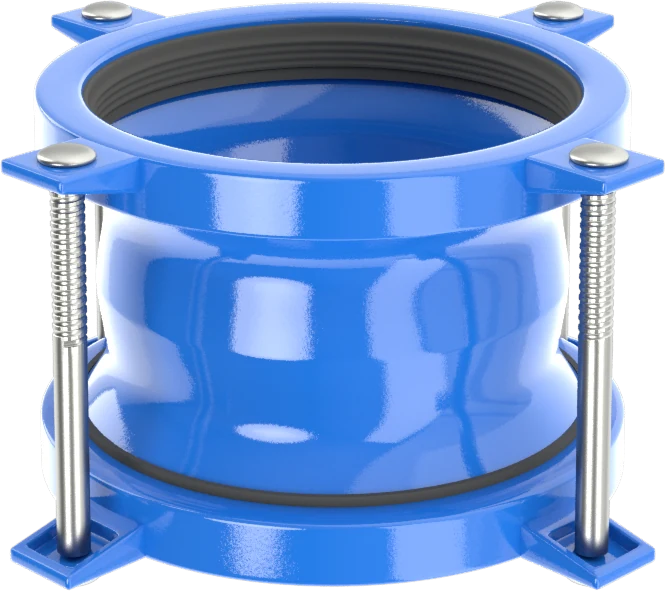
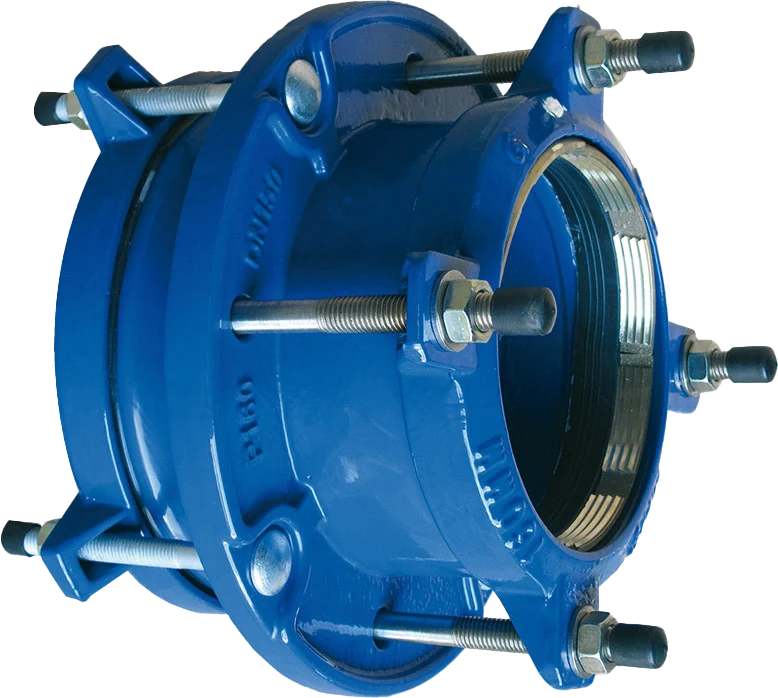 GA01-5Self-restrained universal transition couplingThe definitive universal, self-restrained coupling. Connects and locks pipes of different materials and diameters in a single step. Made of ductile…
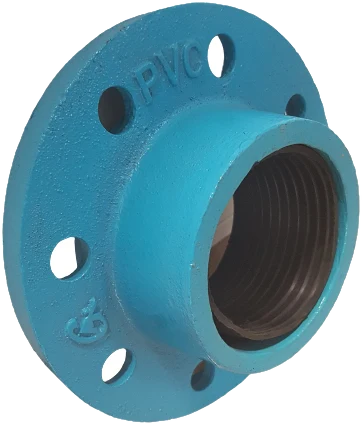 GA01-6Double-chamber flange adaptor for PVCDirect-insertion flange adaptor for PVC pipes. Made of GGG-50 ductile iron with a 250-micron epoxy coating, it offers a robust, watertight connecti…
Read the full guide
Restrained fittings and couplings for PE and PVC pipes
Secure Jointing Solutions for Civil Works and Irrigation
In any pressurised water pipeline, the axial forces generated by changes of direction, valves or line ends represent a critical risk to the integrity of the system. Uncontrolled axial movement can cause joints to pull apart, resulting in leaks, costly repairs and downtime. Grupo Almagro Mur restrained fittings and couplings are specifically designed to neutralise these forces, creating a mechanical locking system that firmly anchors the pipe to the fitting.
Manufactured with more than 28 years of experience in the sector, our fittings guarantee a robust, completely watertight connection, essential for civil works, water supply, drainage and irrigation projects that demand maximum reliability.
Key advantages of our ductile iron restrained fittings
Choosing the right jointing fittings has a direct impact on the safety, efficiency and total cost of a project. Our GGG40 ductile iron restrained solutions offer tangible benefits that go far beyond a simple connection.
Eliminate Costly Concrete Thrust Blocks and Speed Up Your Project
The most significant benefit of our self-locking couplings is their ability to completely replace traditional concrete thrust blocks. Building these blocks involves additional excavation, formwork, concrete pouring and long curing times, delaying progress on site and increasing labour and material costs. Our restrained fittings provide the same restraint mechanically and instantly, allowing the trench to be backfilled and work to continue immediately after installation. This translates into direct savings and a considerable acceleration of project deadlines.
Maximum Safety and Watertightness at Joints (PN16)
Designed to withstand a nominal working pressure of up to 16 bar (PN16), our fittings guarantee superior safety and sealing. The locking system, which often uses a brass ring or grip segments, acts independently of the EPDM sealing gasket. This ensures that, even under extreme pressures, the joint remains watertight and the pipe does not move. All our products undergo rigorous quality control to ensure flawless performance in the most demanding conditions.
Quick and Versatile Installation on Site
Efficiency on site is crucial. Our fittings are designed for quick, simple assembly, with no special tools required beyond a standard torque wrench. They are compatible with a wide range of pipe materials, including PE, PVC, PVC-U, cast iron and steel, making them a versatile solution for transition joints between different materials. In addition, they allow a certain degree of angular deflection (up to ±4° on some models), making it easier to align pipes in less-than-ideal trench conditions and reducing installation time.
Main Applications in Pressurised Water Pipelines
Restrained fittings are essential components at critical points in a water network to guarantee its long-term stability:
- Changes of Direction: At 90° and 45° bends, where thrust forces are greatest.
- Branches: At tees and crosses, to anchor all flow directions.
- Line Ends: At blank caps and network ends to contain static pressure.
- Valve Connections: To ensure that operating a gate or butterfly valve does not cause the pipe to pull apart.
- Material Transitions: When joining pipes of different materials (e.g. PE to ductile iron) that may have different coefficients of expansion.
Frequently Asked Questions (FAQ)
What exactly is a restrained fitting and why is it necessary?
A restrained fitting, also known as a self-locking coupling, is a mechanical component that not only joins two pipes or a pipe to a fitting, but also prevents their longitudinal (axial) movement. It is necessary in pressurised networks because changes in flow and the pressure itself generate forces that tend to separate joints. This fitting anchors the pipe mechanically, guaranteeing the long-term integrity and safety of the pipeline.
Can I use these couplings to connect a PE pipe to a PVC pipe?
Yes. Many of our models, especially the universal restrained couplings, are designed to be multi-diameter and multi-material. They can safely connect pipes of different materials such as PE, PVC, ductile iron and steel, provided their outside diameters are within the fitting's tolerance range. This makes them extremely versatile for repairs and for extending existing networks.
Are any special tools needed for installation?
No. Installing our restrained fittings is simple and requires no special tools, welding or complex equipment. Generally, only a torque wrench is needed to apply the correct tightening torque to the bolts, ensuring proper sealing and locking. For PE pipes, the use of an internal support liner is recommended to prevent deformation of the pipe, as advised by pipe manufacturers.
How does a restrained coupling replace a concrete thrust block?
A concrete block works by mass: it is a heavy block that absorbs the thrust forces from the pipe and transfers them to the surrounding ground. A restrained coupling works by mechanical grip: a ring or wedge system bites into the surface of the pipe as the bolts are tightened, creating a connection that resists the pull-out force. The result is the same—immobilisation of the joint—but the mechanical method is immensely faster, cleaner and more economical than the civil works required for a concrete block.
What is the maximum working pressure they withstand?
Our standard range of ductile iron restrained fittings is designed and tested for a nominal pressure (PN) of 16 bar (approximately 232 PSI) for water applications. This makes them suitable for the vast majority of potable water supply networks, irrigation and industrial applications. For projects with higher pressure requirements, please consult our technical team.
From the blog: guides on this family
More news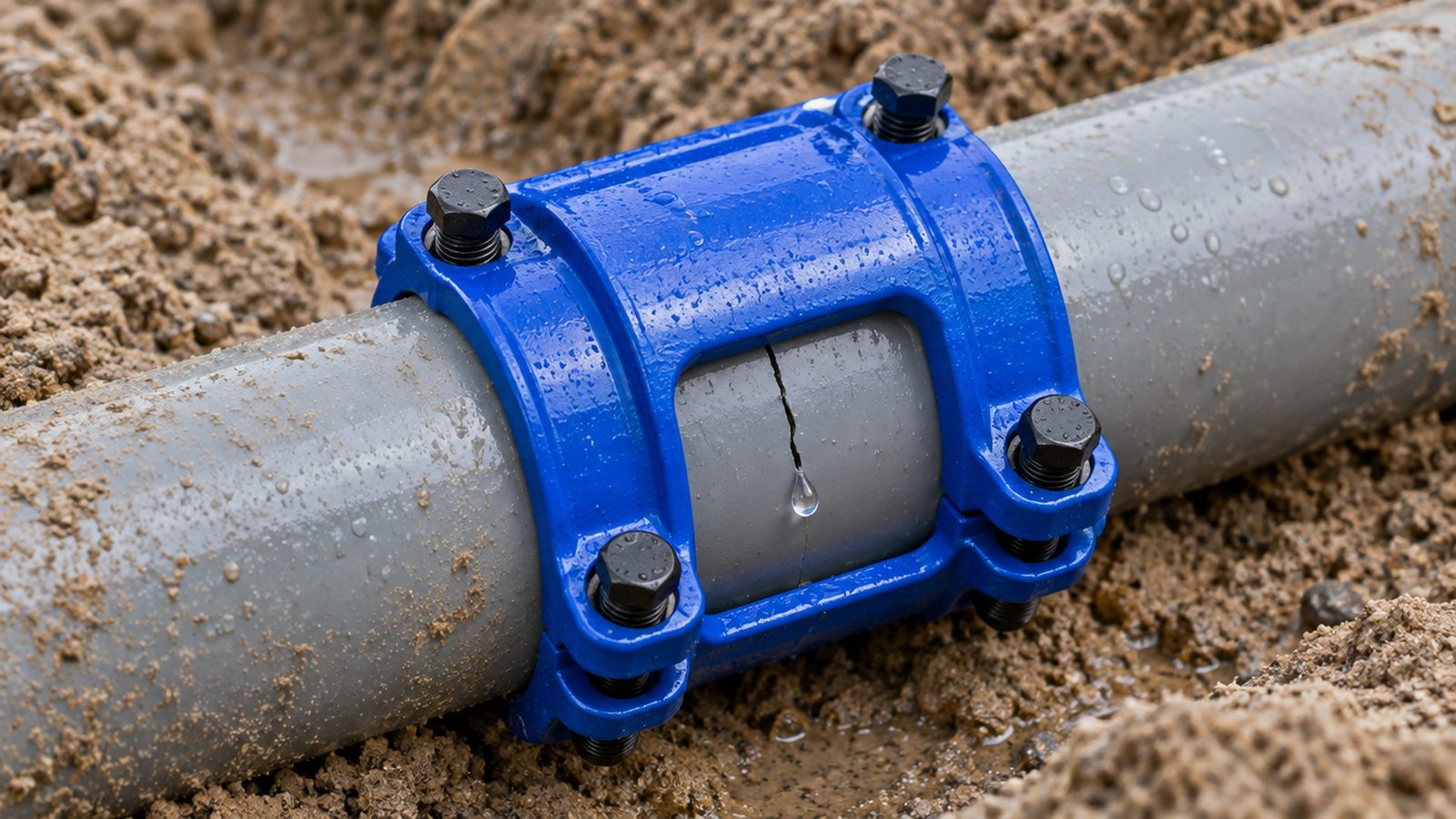 19 August 2026How to repair a leak in a buried PVC pipe without stopping irrigationAnti-pull repair collar or stainless steel repair clamp: which to use depending on the type of break, how it is fitted in the trench and why the repair withstands the pressure of the irrigation season.
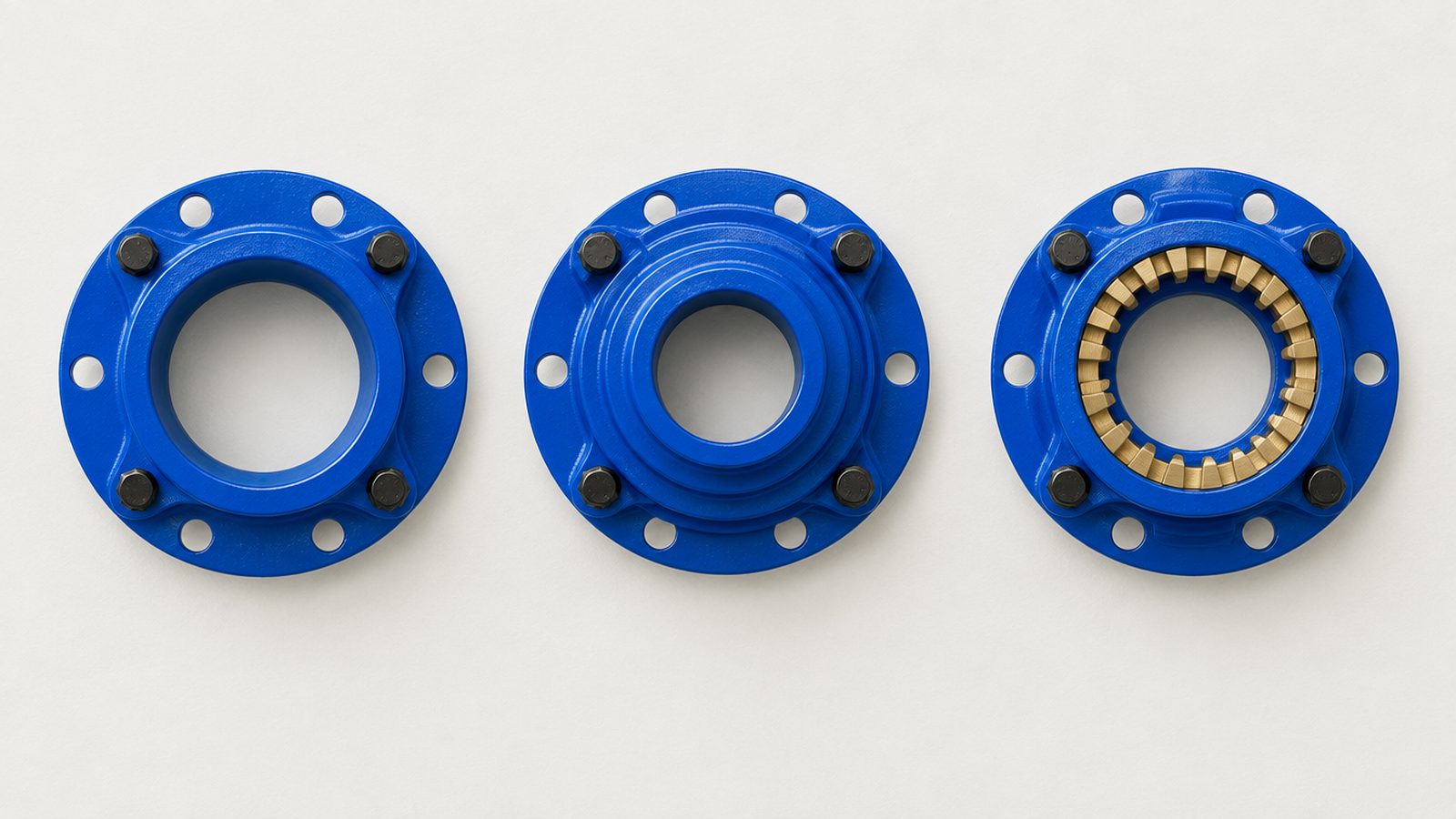 10 March 2026Universal, wide-range or anti-pull flange adaptor: which to choose to connect pipe to a valveAll three go from plain pipe to flange, but they solve different problems: diameter tolerance, transition between materials or axial restraint. A short guide so you do not order the wrong part.
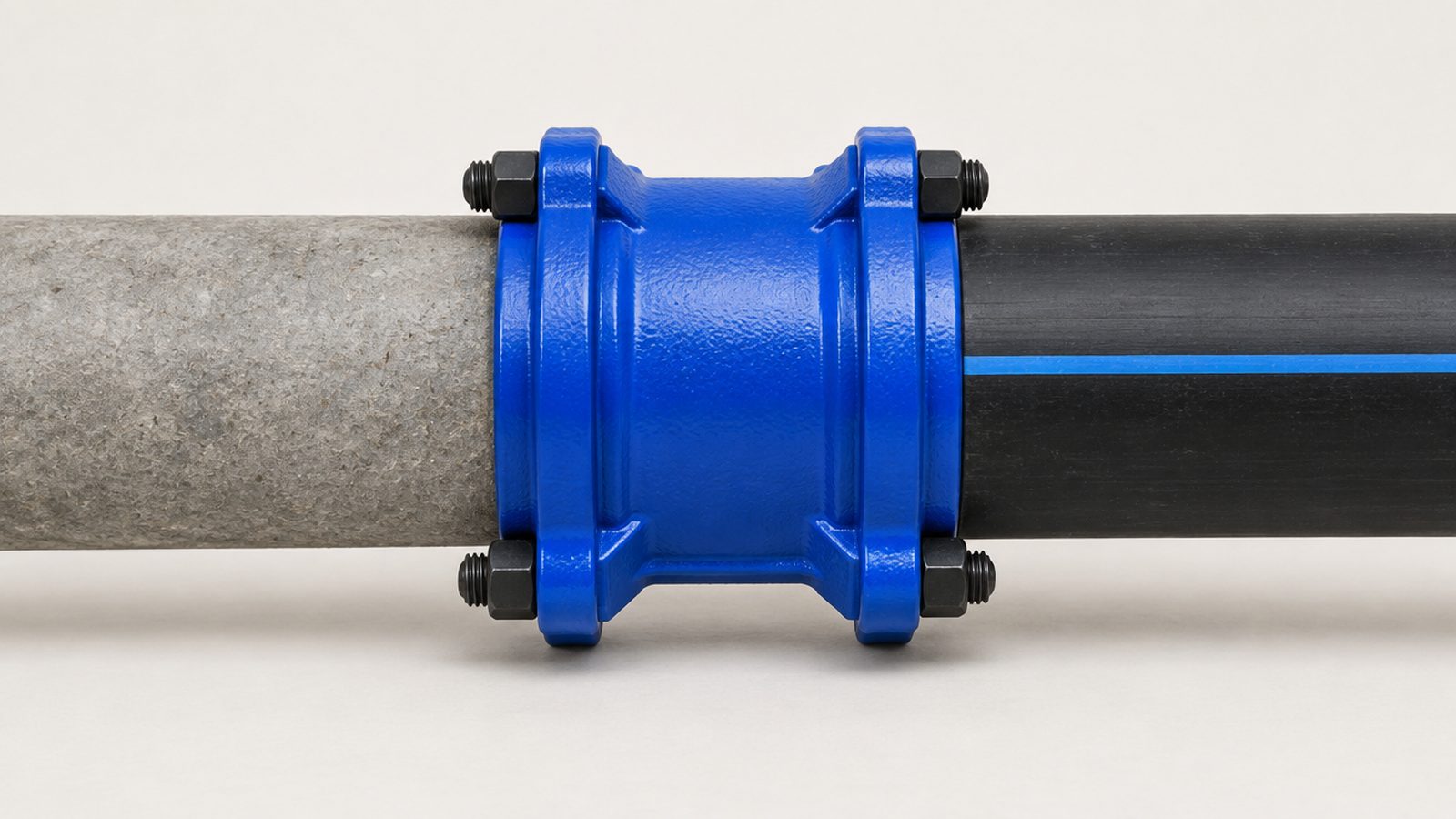 28 April 2026How to connect an asbestos cement pipe to PVC or HDPE without replacing the whole networkThousands of kilometres of asbestos cement pipe are still in service. When you have to join it to new pipe, the right part depends on the outside diameters and on whether there is a risk of pull-out: Gibault joint, wide-range coupling or self-anchoring transition coupling.