
GA10 · 1 families · 30 references
Rubber expansion joints
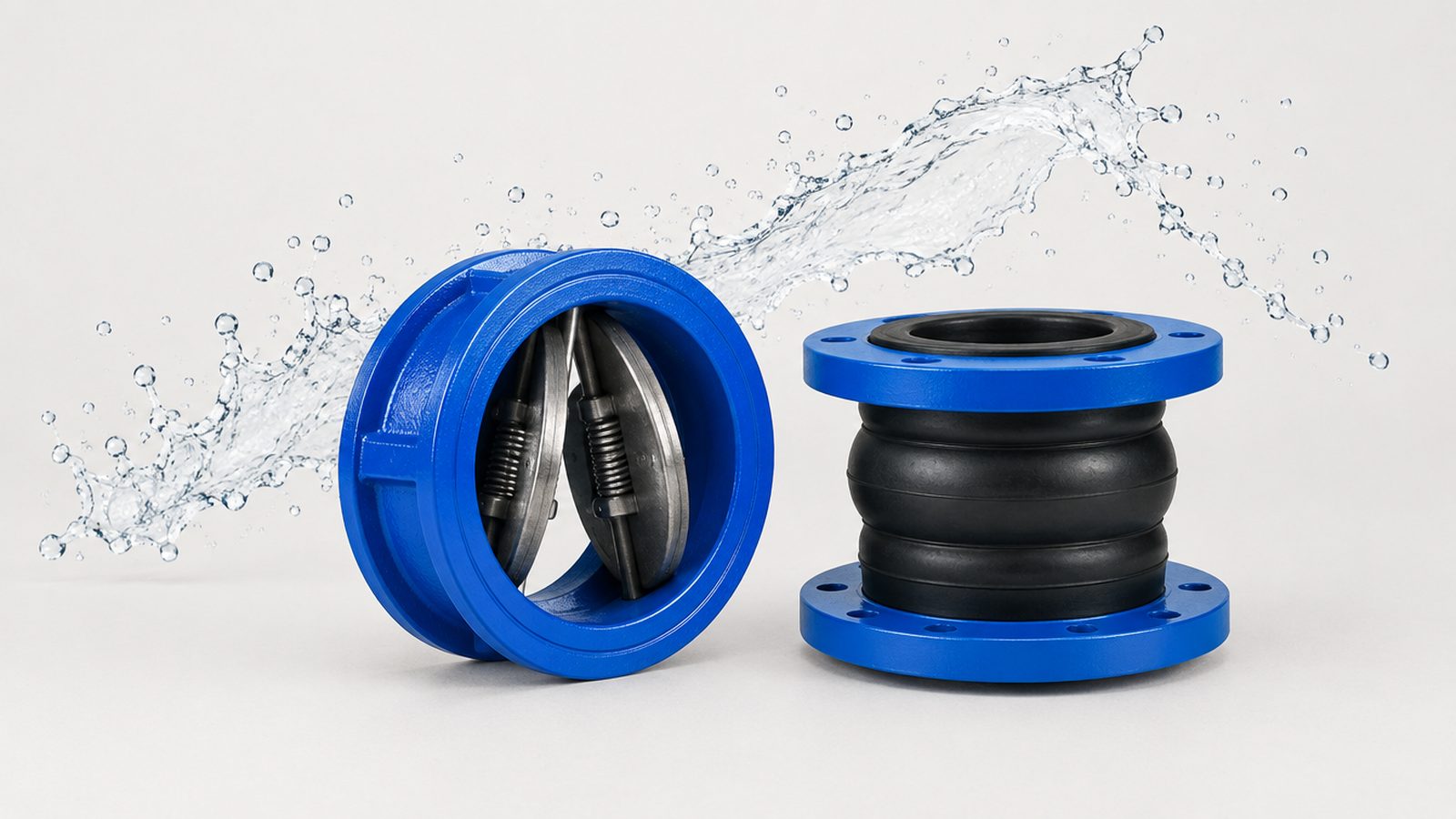
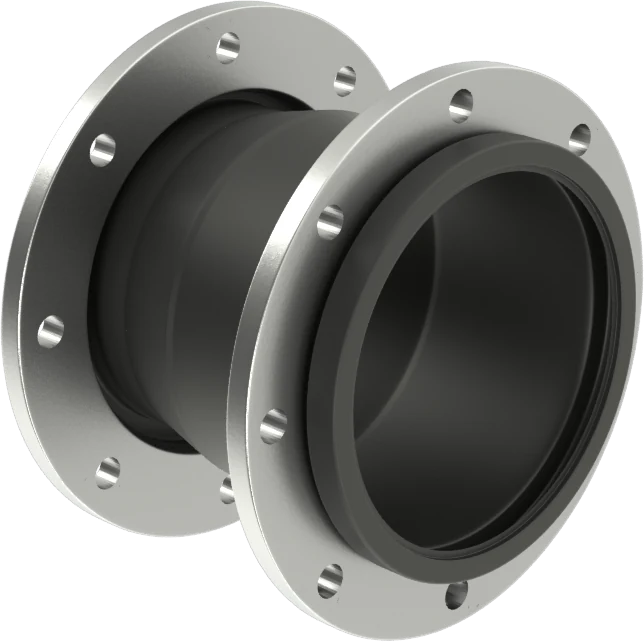
Threaded and flanged anti-vibration expansion joints.
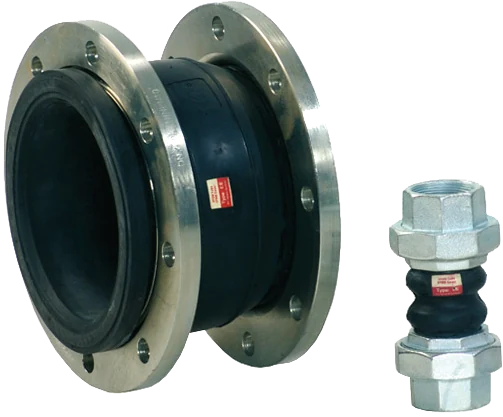
rubber expansion joints families
Click a family to see its technical data sheet and all its references.
Read the full guide
Rubber expansion joints and anti-vibration joints: Solutions for vibration and misalignment
In every fluid piping system, vibration, thermal expansion and misalignment are unavoidable forces. If not managed, they cause noise, material fatigue, leaks and even failures in critical equipment such as pumps and compressors. Rubber expansion joints, also known as anti-vibration joints or expansion bellows, are essential components designed to absorb these stresses, guaranteeing the efficiency and longevity of your installations. At Grupo Almagro Mur, we offer a complete catalogue of solutions to protect your investment and optimise the performance of your system.
Why does your installation need a rubber expansion joint? Key benefits
A rubber expansion joint is more than a flexible connection; it is a vital multifunctional device for protecting pipework. Installing one offers immediate benefits:
- Vibration and Noise Absorption: They act as isolators, interrupting the transmission of vibration from equipment such as pumps and motors. This reduces noise and protects components against mechanical fatigue.
- Compensation of Thermal Movement: Pipes expand and contract with temperature changes. The joints absorb these axial movements, preventing the build-up of stress at fixed points.
- Correction of Misalignment: The flexibility of the joints compensates for small lateral and angular offsets between pipe sections, facilitating a stress-free installation.
- Protection against Water Hammer: Their elasticity absorbs part of the energy of sudden overpressures, protecting valves and meters from damaging pressure peaks.
Selection Guide: How to choose the right anti-vibration joint
Selecting the correct joint is crucial. An incorrect choice can cause premature failure. Use this guide to make an informed decision.
1. Working Pressure
The nominal pressure of the joint (e.g. PN10, PN16) must be higher than the maximum pressure of your system, taking into account possible peaks or water hammer.
2. Fluid and Material Compatibility
The material of the joint (elastomer) must be chemically compatible with the fluid. This is the most critical decision.
- EPDM: Excellent for water (cold and hot), air and weak acids. It is the standard in plumbing and HVAC.
- NBR (Nitrile): Ideal for petroleum-based fluids such as oils, diesel and greases.
- Neoprene: Versatile, with good resistance to weather, ozone and moderate oils.
3. Temperature Range
Check that the temperature range of the joint is compatible with the temperature of the fluid and the ambient temperature.
4. Connection Type: Flanged vs. Threaded
- Flanged Connection: The industry standard for larger diameters (from DN32), it ensures a robust, watertight joint.
- Threaded Connection: Common in small diameters, it offers quick installation on pipes with threaded ends.
5. Movement to be Absorbed: Single Sphere vs. Double Sphere
- Single Sphere: Offers excellent absorption capacity for most standard applications.
- Double Sphere: Provides significantly greater flexibility to absorb larger displacements, recommended where pronounced thermal movement or misalignment is expected.
Our catalogue of rubber expansion joints
At Grupo Almagro Mur we hold a wide stock of rubber expansion joints for every need. Explore our product ranges.
(This section should be an e-commerce product grid, each with an image, descriptive title, key specifications and a "View Data Sheet" or "Request a Quote" button).
Typical industrial applications
Anti-vibration joints are indispensable in multiple sectors:
- HVAC Systems: Vibration isolation of pumps, chillers and boilers.
- Pump Sets and Water Treatment: On the suction and discharge of pumps in pumping stations and wastewater treatment plants.
- Compressed Air Networks: Reduction of vibration and noise from compressors.
- Chemical Industry: Absorption of thermal expansion in process lines.
- Marine Applications: Compensation of structural movement and isolation of engine vibration.
Frequently Asked Questions (FAQ) about rubber expansion joints
What is the difference between single and double sphere? A double sphere joint absorbs greater levels of compression, elongation and displacement than a single sphere joint, making it ideal for pipework with more severe movements.
How are the flanges tightened? Gradually, evenly and in a cross pattern to distribute the pressure uniformly and avoid leaks. Over-tightening can damage the joint.
Is an additional gasket needed? No. Quality joints have a rubber bead that acts as a seating gasket, creating a watertight seal when the flanges are tightened.
Are anchors necessary? Yes, it is essential. Anchors must be installed on both sides of the joint to absorb the forces from internal pressure, along with guides to control movement.
Can it be used to correct large misalignments? No. They are designed to absorb minor misalignments. Using them to force joints with large offsets will cause premature failure.