
GA07 · 5 families · 207 references
Tapping saddles
Band and ductile iron tapping saddles for under-pressure tapping.
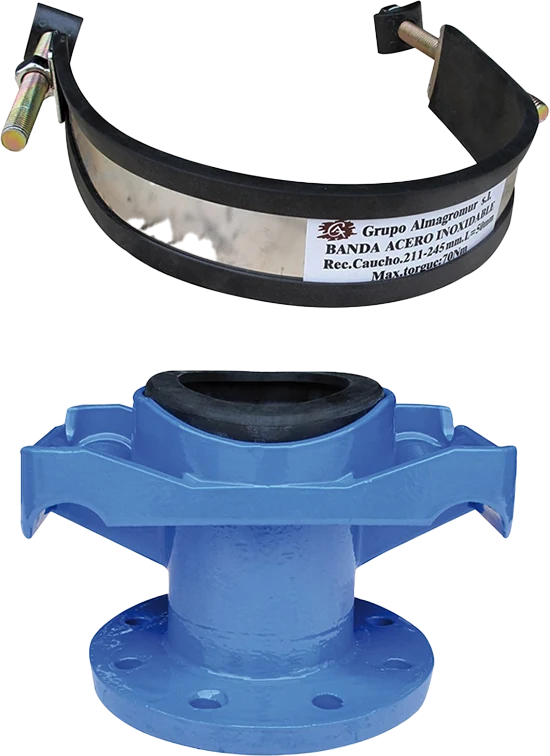
tapping saddles families
Click a family to see its technical data sheet and all its references.
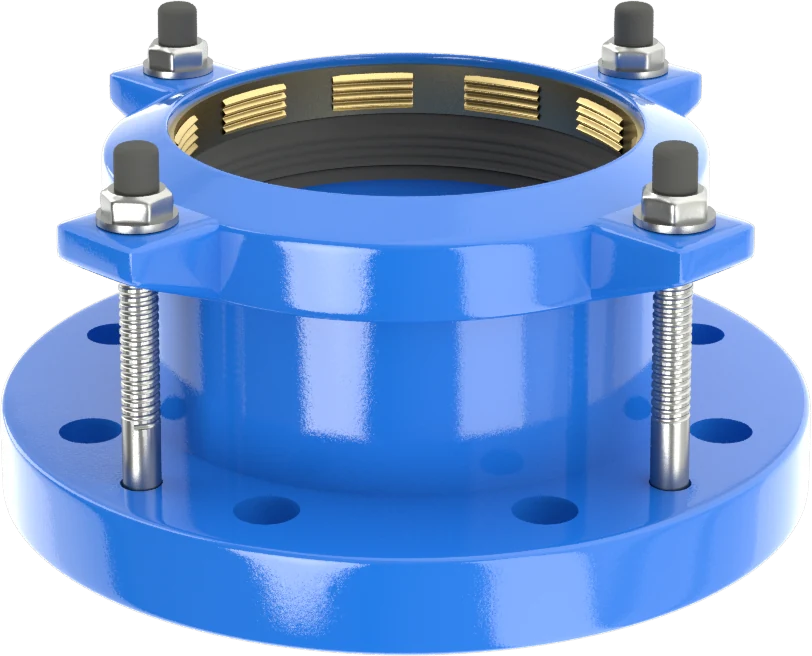
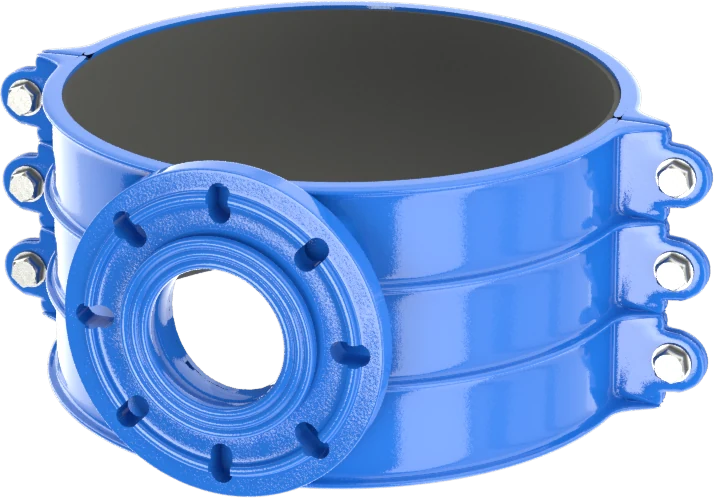
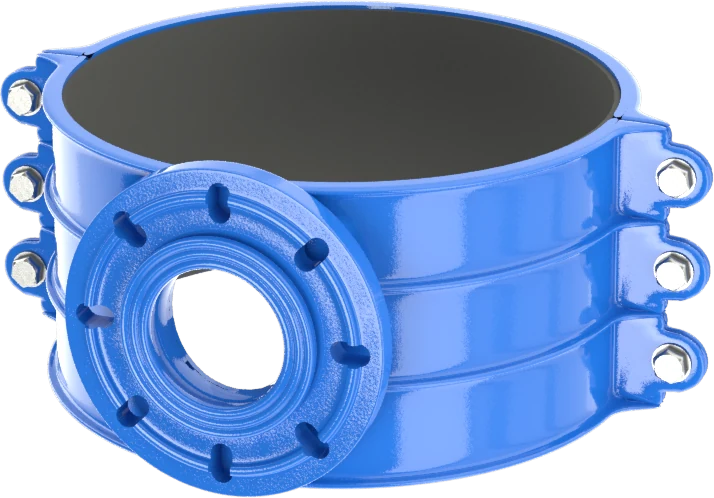
GA07-1Strap tapping saddle with flanged outletUniversal tapping saddle for creating flanged branches on pipes of any material. Combines a robust GGG-50 ductile iron head with a fastening system…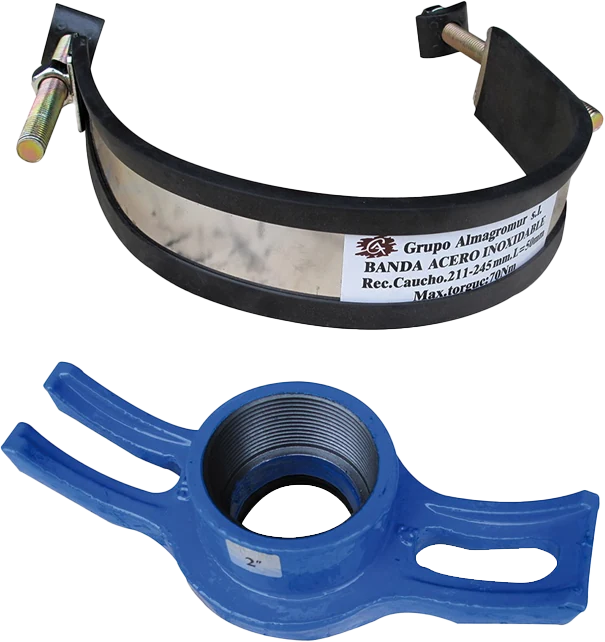 GA07-2Threaded strap tapping saddleUniversal tapping saddle for creating female-threaded (BSP) branches on pipes of any material. Combines a robust GGG-50 ductile iron head with a st…
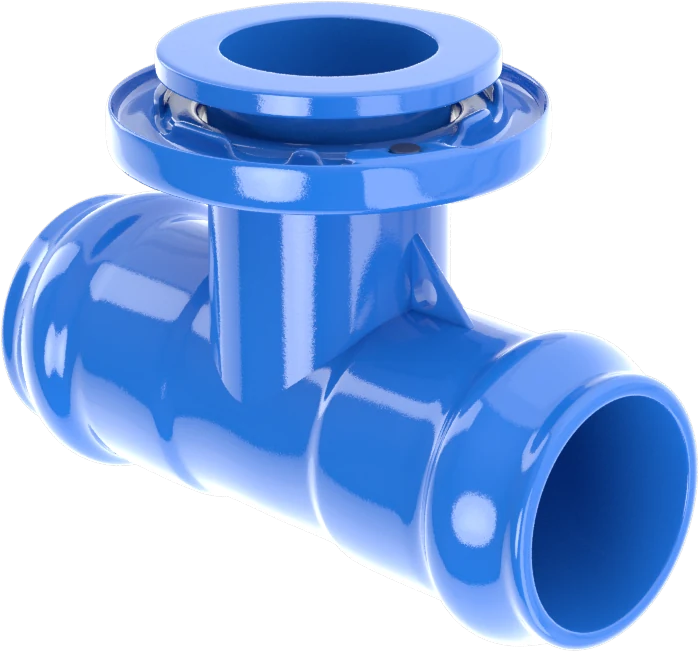
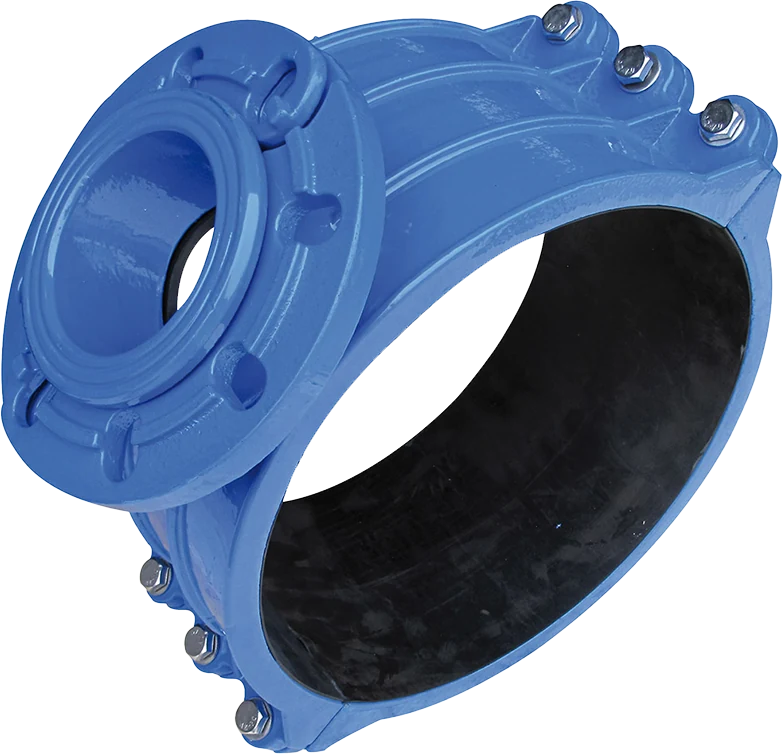 GA07-3Ductile iron tapping saddle with flanged outletMaximum-security two-part tapping saddle for creating flanged branch connections. Manufactured entirely in GGG-50 ductile iron, with a full interna…
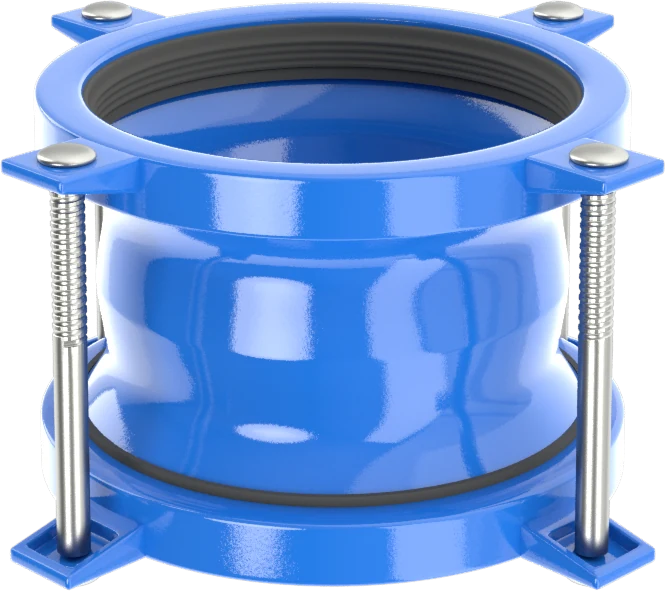
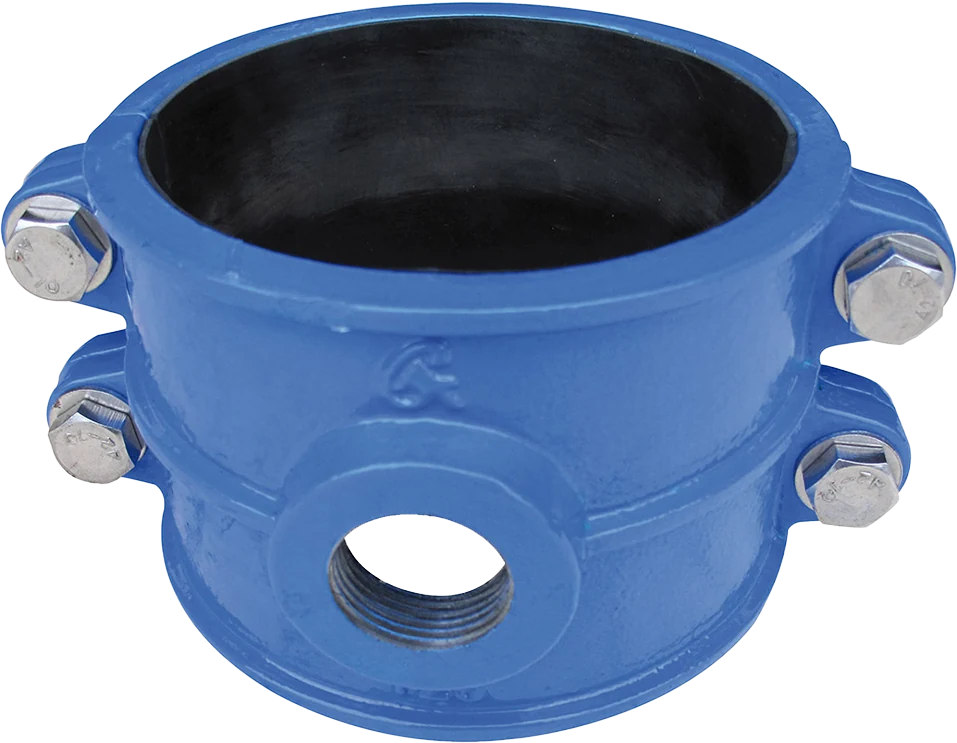 GA07-4Ductile iron tapping saddle for PVC/PEMaximum-security threaded tapping saddle. Its two-part GGG-50 ductile iron body features a full internal EPDM lining and a 250-micron external epox…
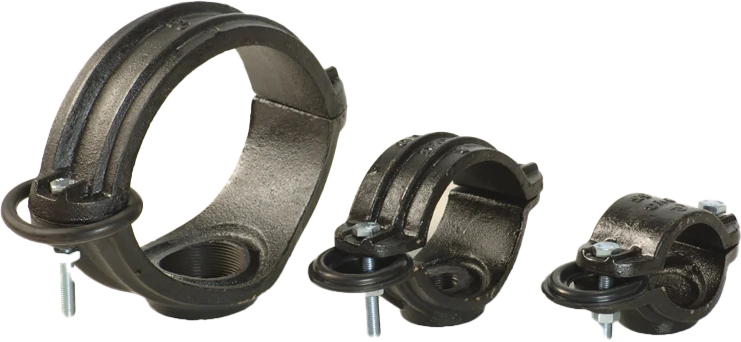 GA07-5Cast iron tapping saddle for PVCTwo-piece tapping saddle, manufactured in GGG ductile iron for maximum strength on PVC pipes. Provides a rigid, 360° grip for threaded branch conne…
Read the full guide
Tapping saddles for irrigation and civil works
Make safe, efficient and durable branch and service connections on your water networks. At Grupo Almagro, with more than 40 years as pioneering manufacturers, we offer tapping saddles designed by engineers to guarantee maximum watertightness and superior performance in the most demanding agricultural and civil works projects. Discover the engineering solution your installation needs to operate fault-free for decades.
The Grupo Almagro guarantee: 40 years manufacturing reliable connections
We are not just distributors. We are the engineers behind the product. Every tapping saddle that leaves our factory is the result of four decades of innovation and of actively listening to the needs of project managers, engineers and installers like you. We manufacture solutions, not just parts: from our pioneering restrained systems to brass fittings and saddles that guarantee zero leaks under the most extreme working pressures (PN16 and above).
Choosing Grupo Almagro means choosing the peace of mind of a part built to last, backed by a technical team that understands your challenges. Our saddles are designed for intuitive installation and long-term performance, optimising your operating costs and ensuring the integrity of your water network.
Installation guide and frequently asked questions
How is a tapping saddle installed correctly?
Correct installation is crucial to guaranteeing the watertightness and longevity of the system. Although every project has its particularities, the fundamental principles for a professional installation are universal:
- Pipe Preparation: Select the connection point and make sure the pipe surface is completely clean, dry and free of impurities or irregularities. A clean surface is essential for a perfect seal.
- Positioning the Saddle: Place the sealing gasket in its housing in the upper part of the saddle. Fit both halves over the pipe, making sure the gasket is correctly positioned and not pinched.
- Tightening the Bolts: Insert the bolts and tighten the nuts progressively and diagonally (in a cross pattern). This distributes the pressure evenly and avoids stresses in the body of the saddle. Use a torque wrench to apply the recommended torque (generally between 15 and 20 Nm for plastic saddles) so as not to damage the part or the pipe.
- Drilling: Once the saddle is firmly installed, drill the pipe through the saddle outlet. Use a suitable tool (hole saw or punch) to obtain a clean cut and prevent swarf entering the network. Take special care not to damage the outlet thread during this process.
- Connection and Checking: Connect the required fitting to the threaded outlet, using PTFE tape or thread sealant to ensure a watertight seal. Before covering the installation, it is vital to pressurise the system and check that there are no leaks at the connection.
Frequently asked questions from our experts (FAQ)
Below are the answers to the most common questions our experts receive, designed to resolve your queries and help you select and use our products with complete confidence.
1. What is the difference between a tapping saddle and a repair clamp?
The fundamental difference lies in their function. A tapping saddle is used to create a new connection or branch on a pipe. Its design includes a threaded or flanged outlet for this purpose. A repair clamp, on the other hand, is designed to seal a leak or repair damage to the pipe, fully encircling it to restore its watertightness, but without creating a new outlet.
2. Which saddle do I need for drip irrigation vs. a potable water service connection?
For drip or sprinkler irrigation, where pressures are moderate and there may be contact with fertilisers, a polypropylene (PP) saddle is the most efficient and corrosion-resistant option. For a potable water service connection, safety and durability are critical. An epoxy-coated ductile iron saddle with stainless steel bolts is recommended, capable of withstanding high pressures (PN16) and guaranteeing a long service life without contaminating the water.
3. What does PN16 mean and why is it important for my installation?
PN stands for "Nominal Pressure" and the number that follows indicates the maximum working pressure in bar that the component can withstand continuously at 20°C. A saddle rated PN16 is designed and tested to withstand a pressure of up to 16 bar (approximately 232 PSI). It is a crucial specification in water supply networks and high-pressure irrigation systems, as it guarantees that the component will not fail under operating conditions, including possible water hammer.
4. Are your saddles compatible with pipes from other brands?
Yes. Our saddles are manufactured to strict dimensional standards to be compatible with PE, PVC and cast iron pipes that meet market standards. The design of our saddles takes into account the usual outside diameter tolerances to ensure a perfect fit and seal. For special applications, our technical team can advise you.
Expert advice for your project
The correct choice of tapping saddle is fundamental to the integrity and efficiency of your water network. Let our more than 40 years of experience work for you.
From the blog: guides on this family
More news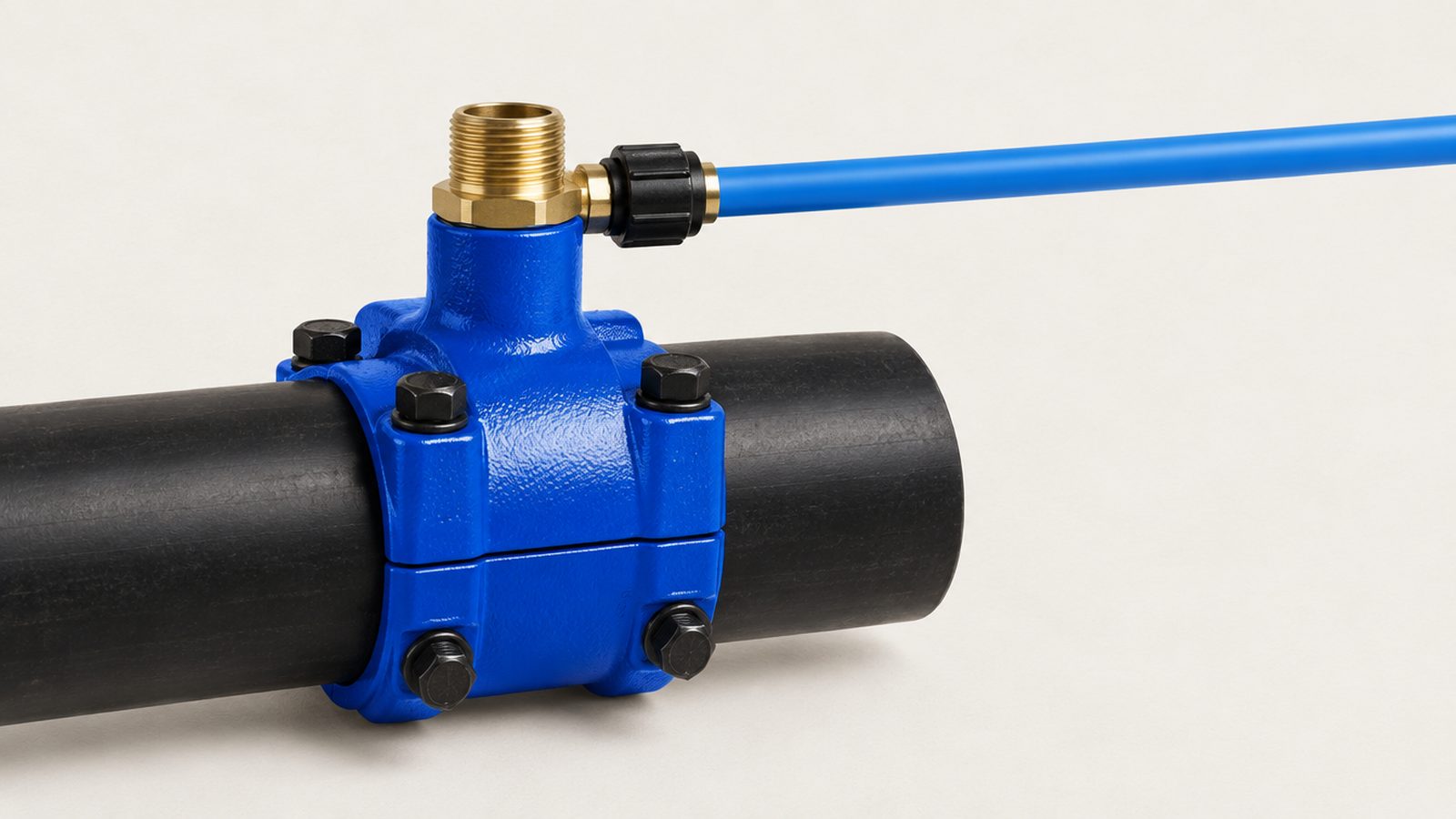 17 February 2026Tapping saddles for PVC and PE: how to make a service connection without draining the networkDuctile iron or stainless steel band, threaded or flanged outlet: which tapping saddle to use to branch off a live pipeline, and how to drill without damaging the pipe.
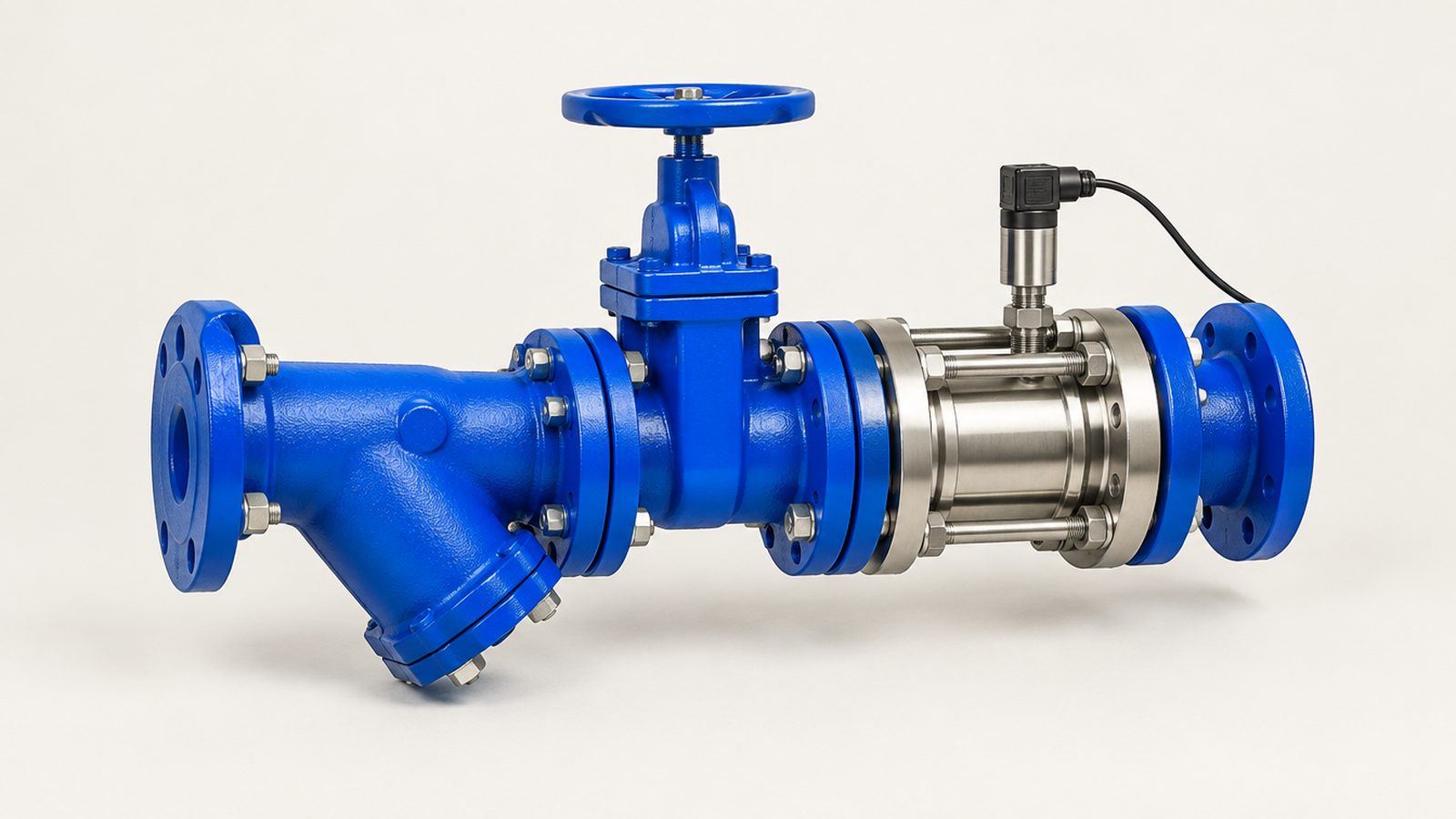 12 May 2026Digitalisation of irrigation communities: which hydraulic parts a remote-controlled control head needsThe PERTE for digitalisation of the water cycle has funded hundreds of remote-control projects in irrigated areas. Sensors and solenoid valves are the visible part; underneath, you need hydraulics that do not fail.
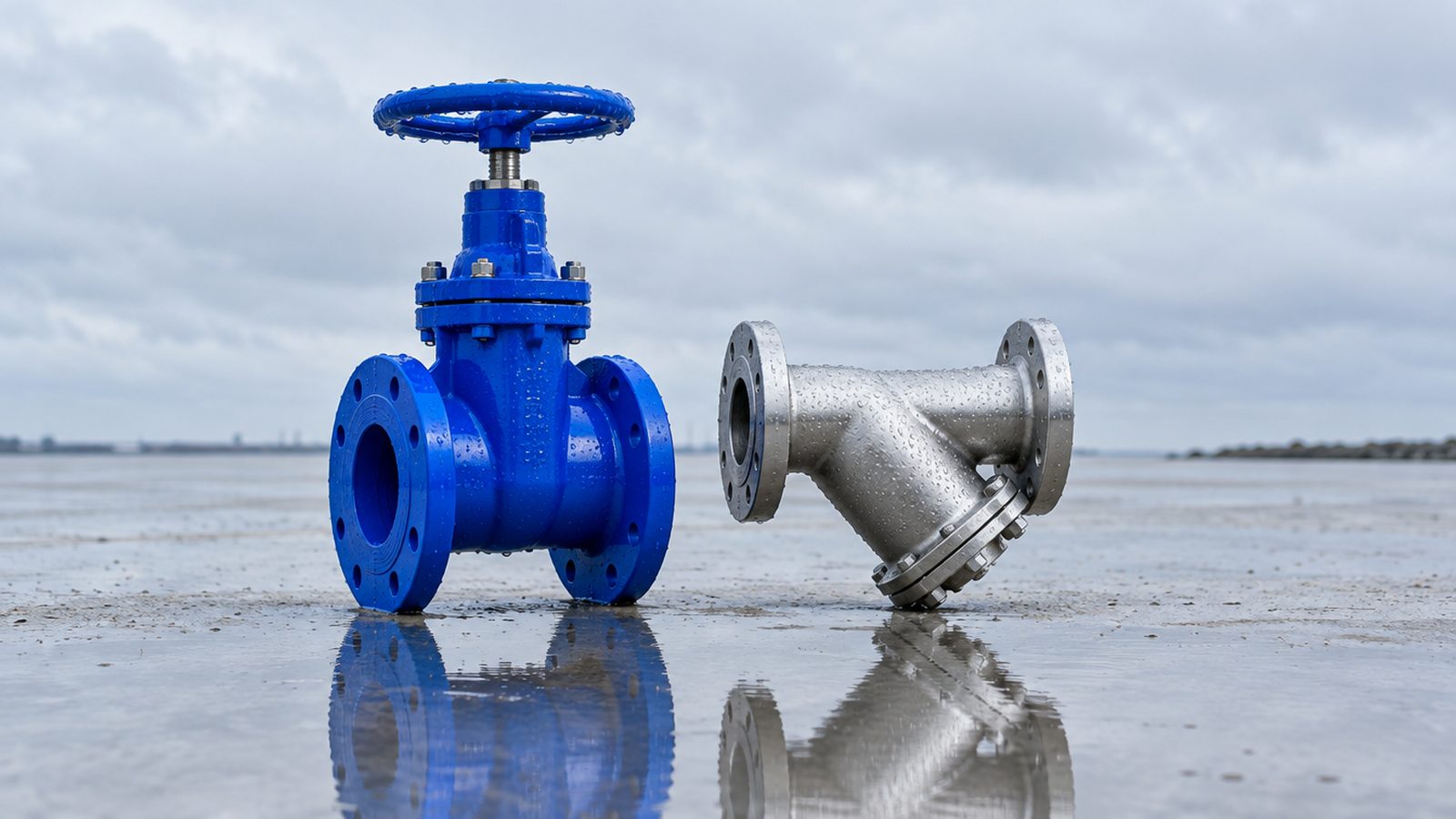 21 January 2026Reclaimed and desalinated water in irrigation: what it demands of valves and fittingsSpain reuses more water than any other European country, and the south-east irrigates more and more with desalinated water. These are different waters: more salts, more chlorine, more aggressive to metal. This is how we manufacture for them.