
12 May 2026 · irrigation · digitalisation
Digitalisation of irrigation communities: which hydraulic parts a remote-controlled control head needs
The PERTE for digitalisation of the water cycle has funded hundreds of remote-control projects in irrigated areas. Sensors and solenoid valves are the visible part; underneath, you need hydraulics that do not fail.
Over the last two years the PERTE for digitalisation of the water cycle has distributed more than 170 million euros among almost four hundred projects by irrigation communities and groundwater users. The word that comes up in all of them is remote control: flow meters, pressure sensors, solenoid valves and a screen from which irrigation is opened and closed. We do not manufacture electronics, but we have spent decades manufacturing what lies underneath the electronics, and we know what fails when a control head is designed with only the software in mind.
A sensor measures what the hydraulics let it measure
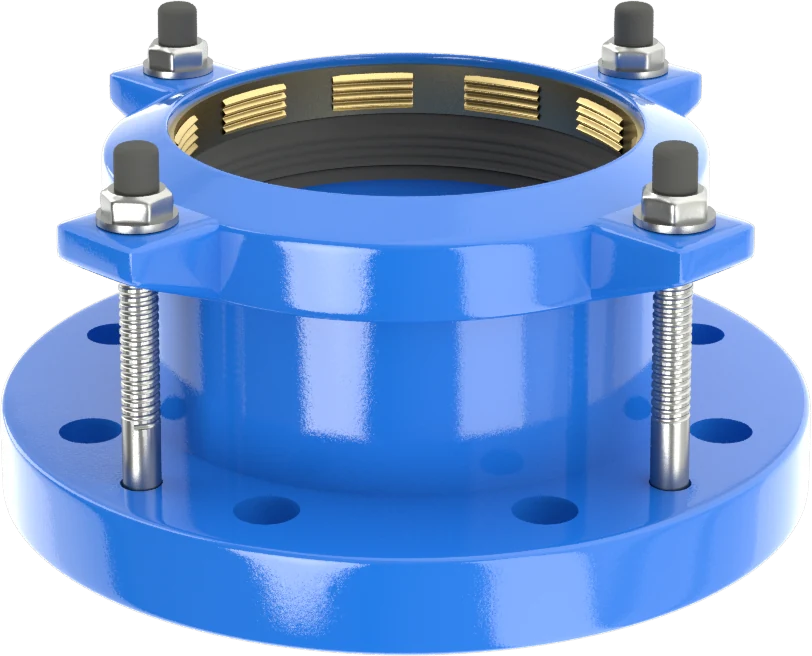
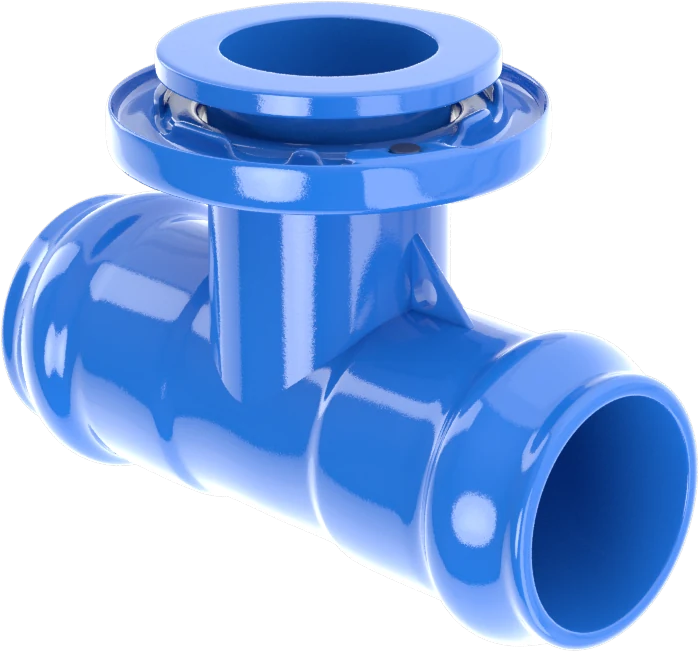
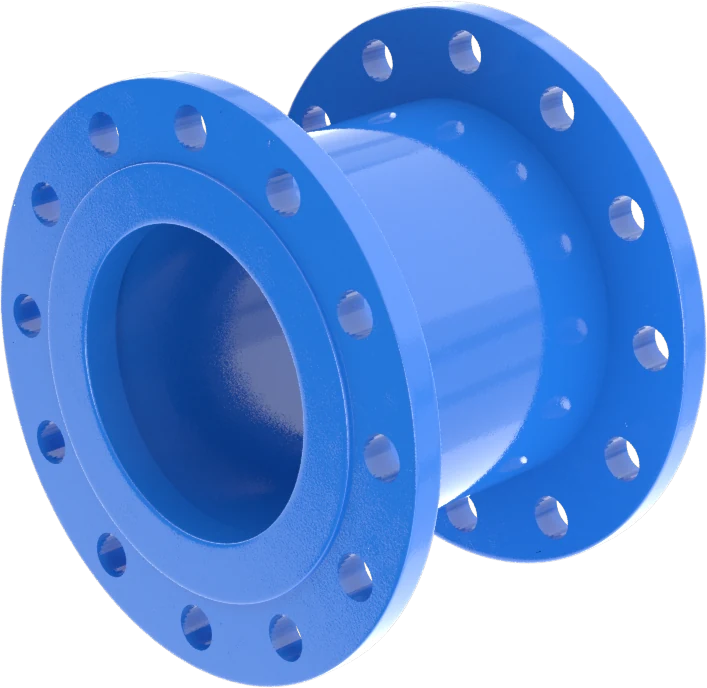
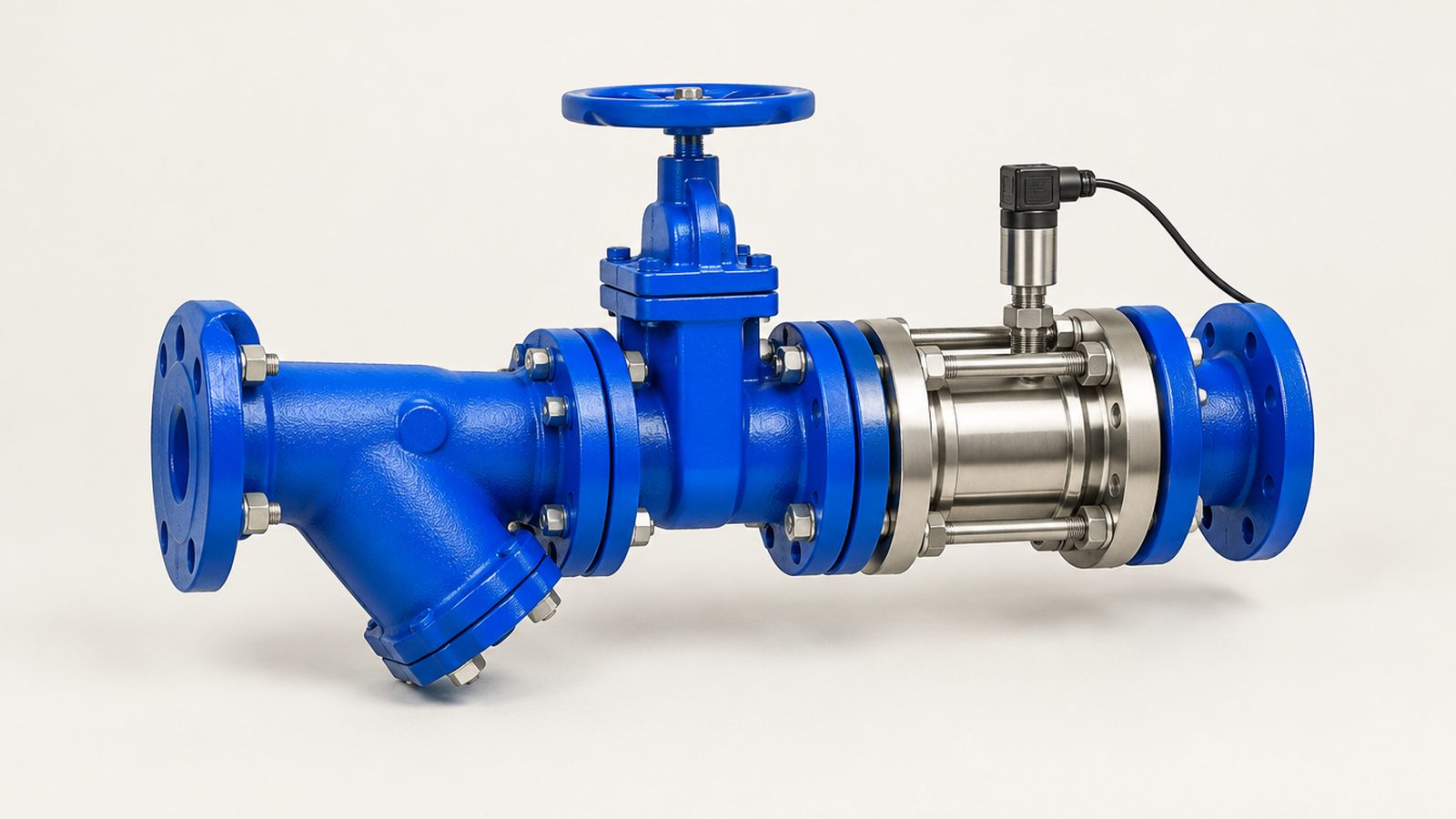
An electromagnetic flow meter needs straight runs before and after it, free of turbulence. A pressure transducer needs a clean tapping point. None of that is possible if the control head has been put together with improvised reducers. The first thing we do when a layout reaches us is to tidy it up with flanged ductile iron fittings (EN 545 spool pieces, tees and reducers) so that every instrument has its straight run.
Filtration before any automatic valve
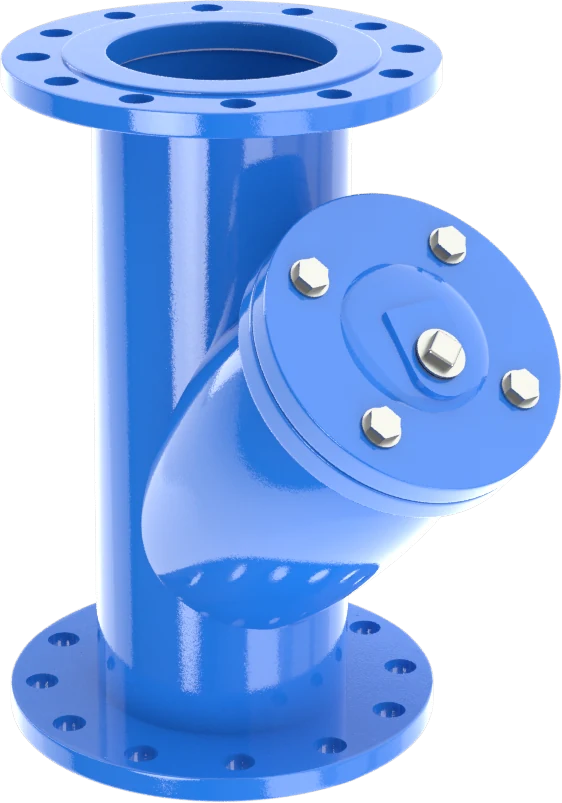
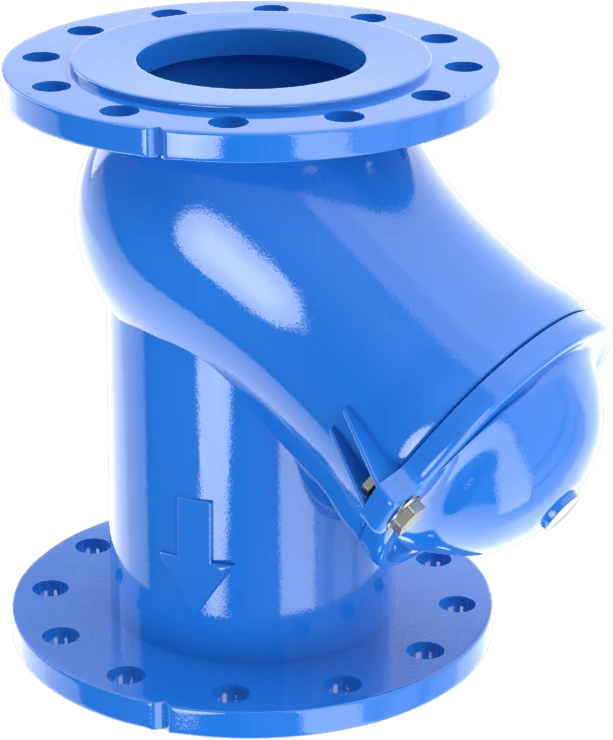
Hydraulic valves and solenoid valves have small-bore pilots that clog with a little grit. A GGG-50 ductile iron Y-strainer upstream, with a stainless steel screen and drain, protects the whole chain. It costs a fraction of what a shutdown in July costs.
Manual shut-off, always
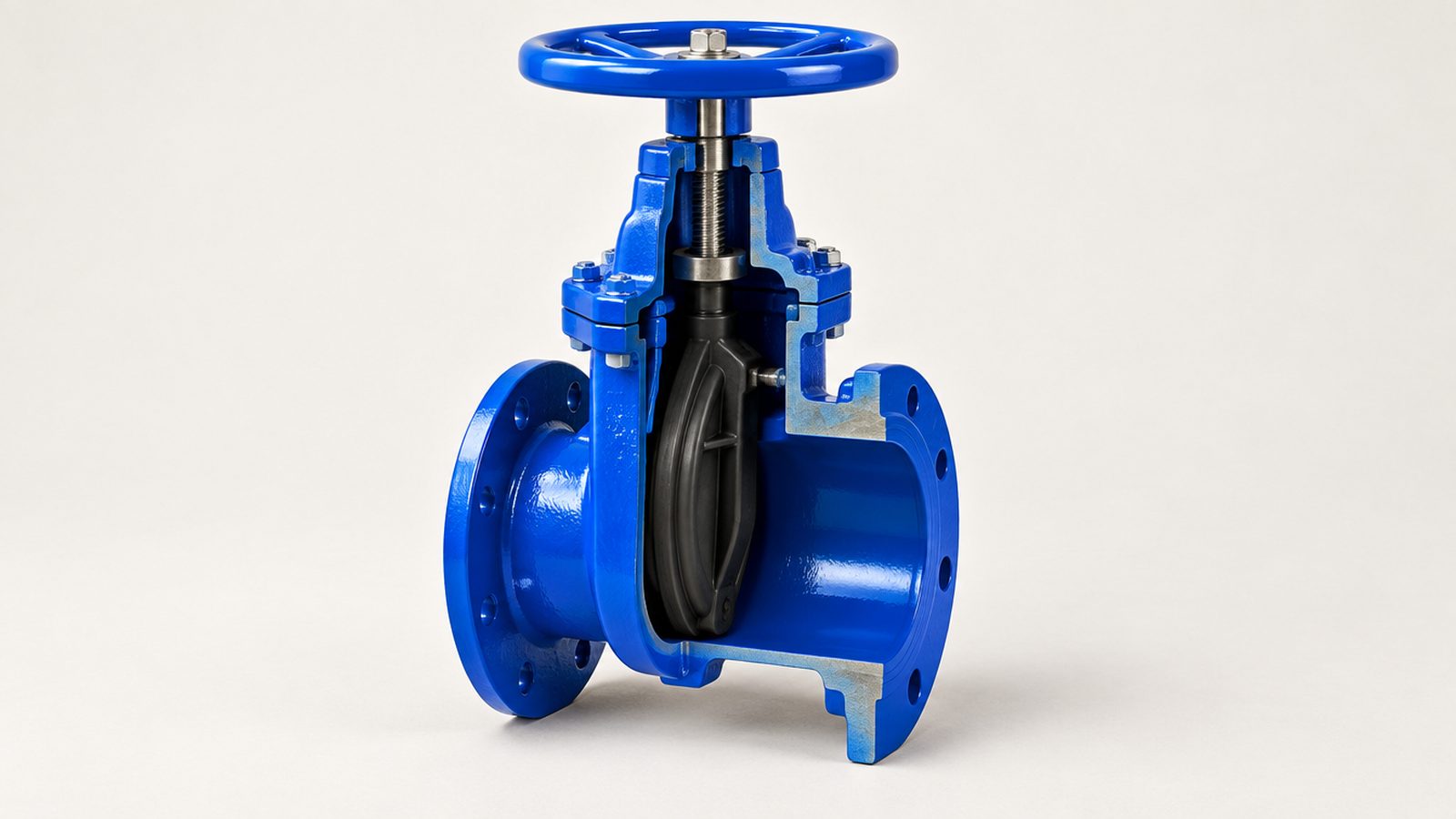
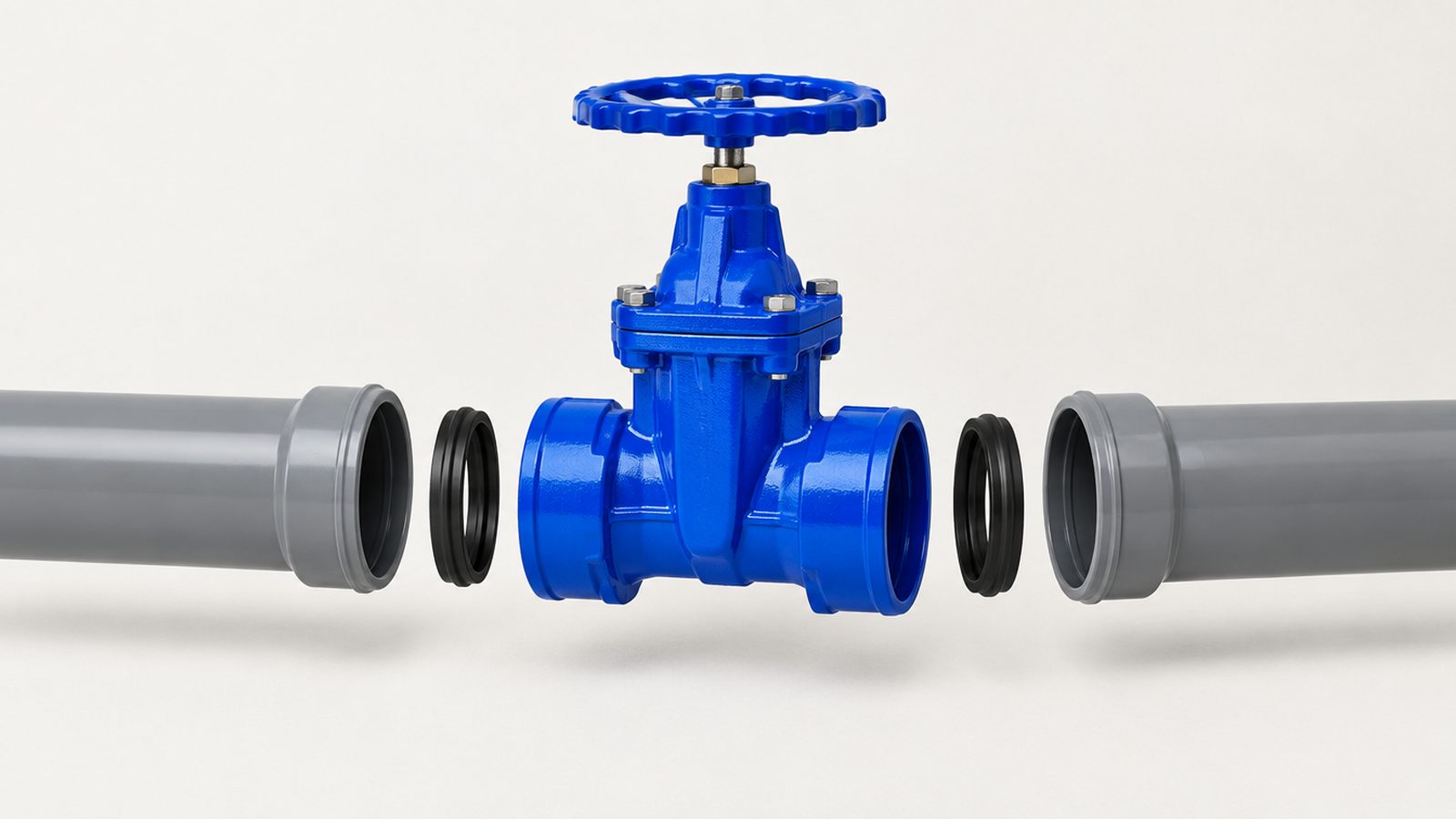
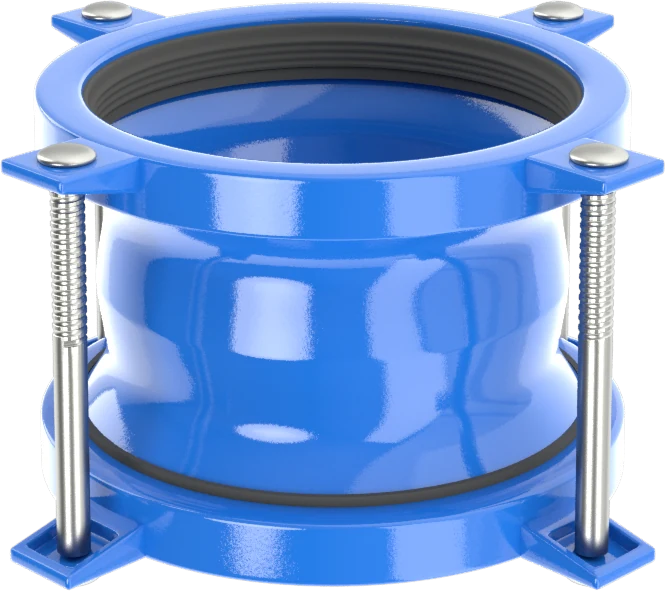
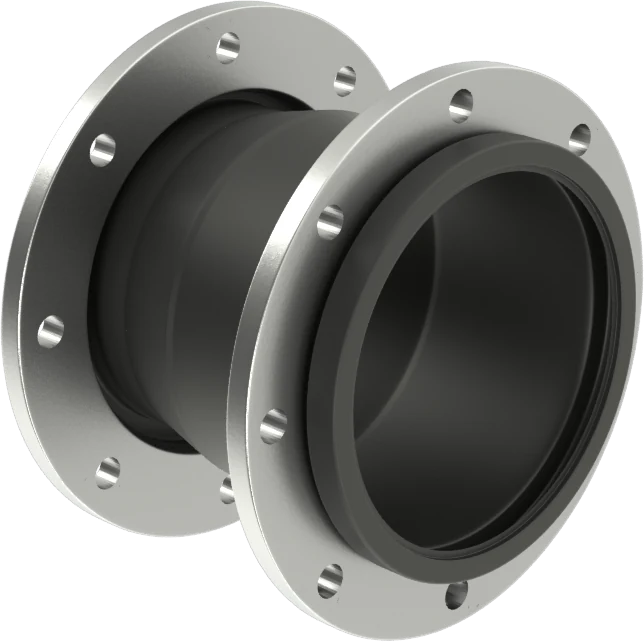
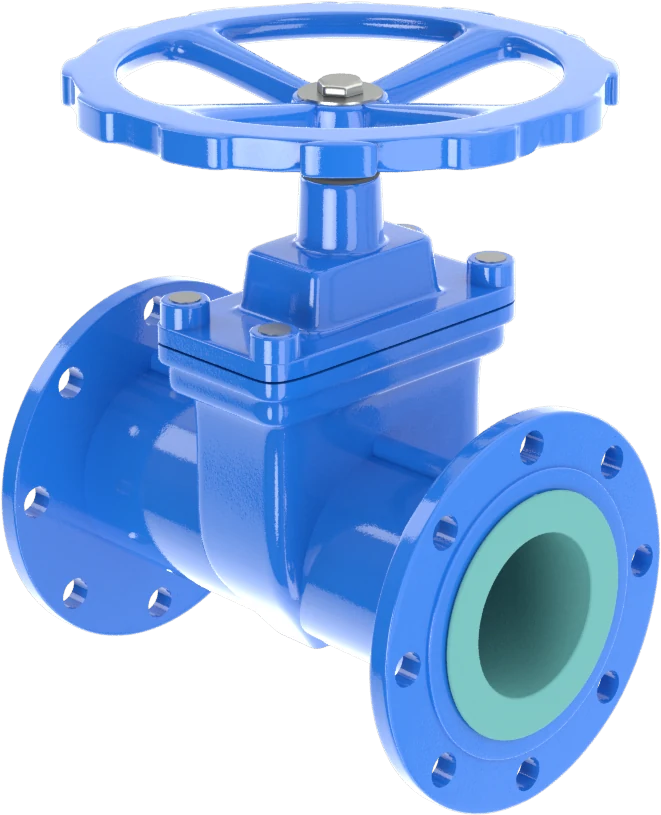
However automated a sector may be, it must be possible to isolate it by hand for maintenance. A resilient-seated gate valve before and another after every automatic valve, and a dismantling joint so that the equipment can be removed without cutting pipe. They are the cheapest parts of the control head and the ones that save the most time.
Tappings for instrumentation
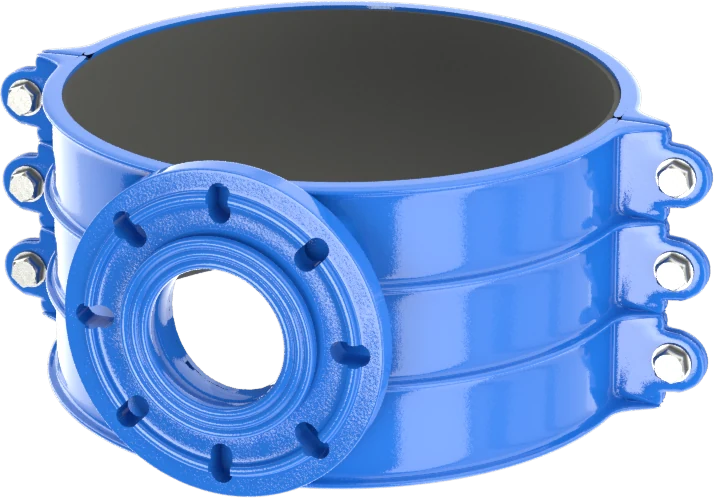
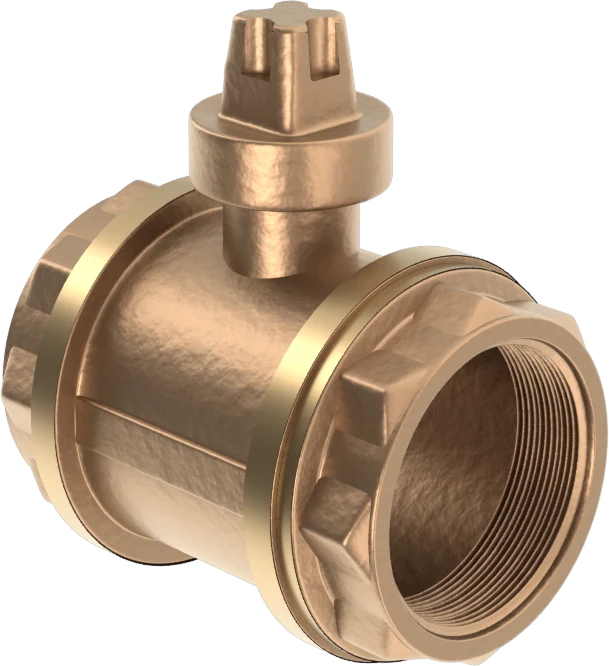
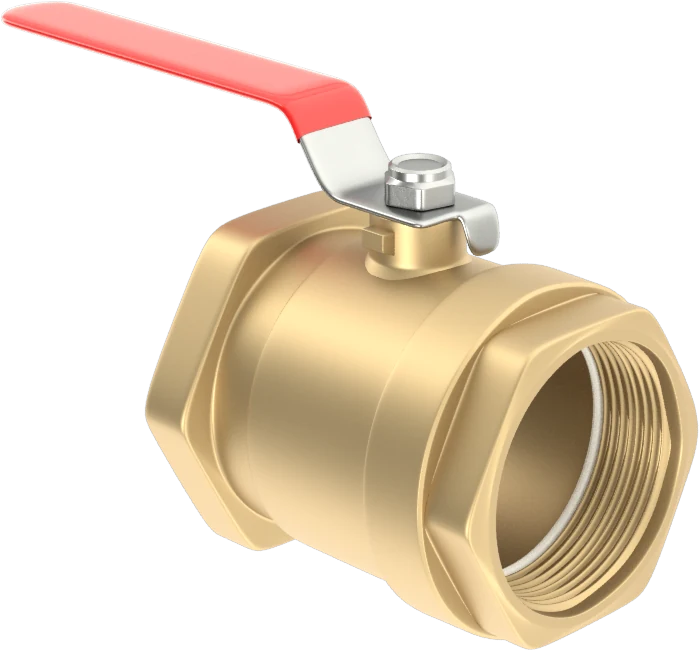
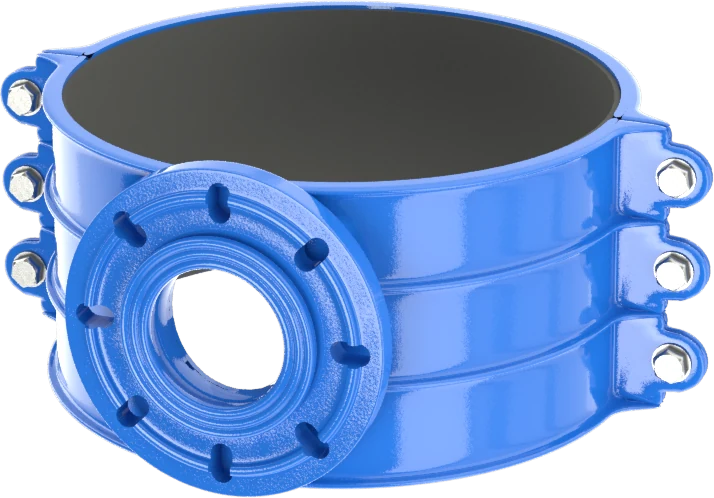
Pressure tappings and sampling branches are handled with threaded tapping saddles on the PVC or PE. A Ø110 ductile iron tapping saddle with 3/4" thread allows a transducer to be fitted on an existing network without cutting or draining. With a brass ball valve between the saddle and the sensor, the instrument can be changed in two minutes.
Non-return and protection
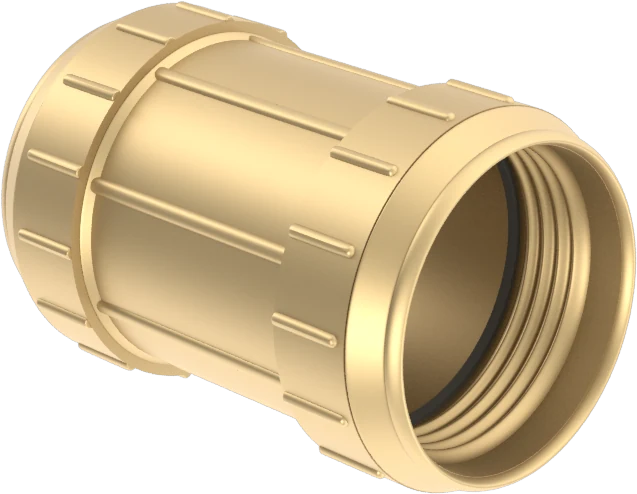
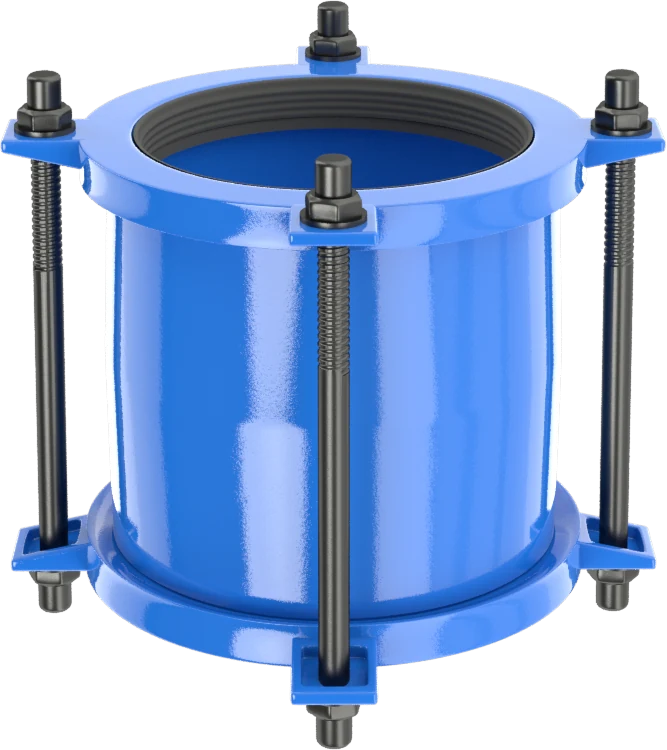
If the sector receives water from a pumping main, the dual-plate check valve stops the remote-control system from reading negative flows at every pump stop. And at the points where the network joins old pipe, wide-range couplings handle the transitions without construction work.
What a local manufacturer brings
The communities that have made the best use of the grants are those that treated the hydraulics as part of the project and not as "sundry materials". From Molina de Segura we deliver any of these references within 24 hours, and we can review a control head layout before anything is bought. If you are interested in the underlying issue, in The most efficient irrigation systems we explain what each system demands of the network.