
GA12 · 3 families · 18 references
Gullies
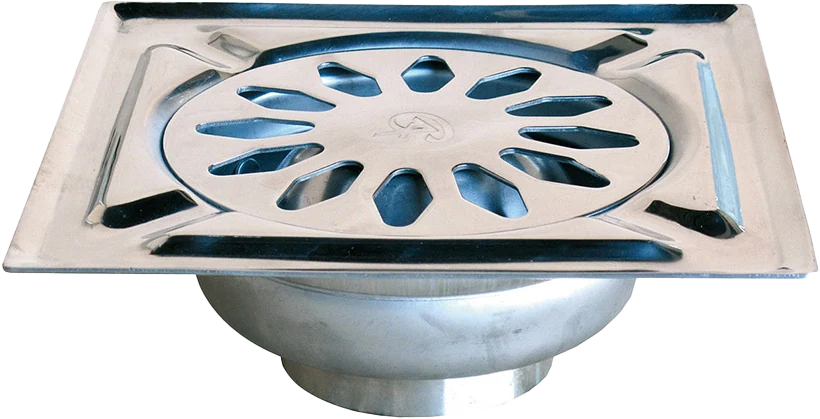
Trapped yard gullies in stainless steel, zinc-plated steel and cast iron.
gullies families
Click a family to see its technical data sheet and all its references.
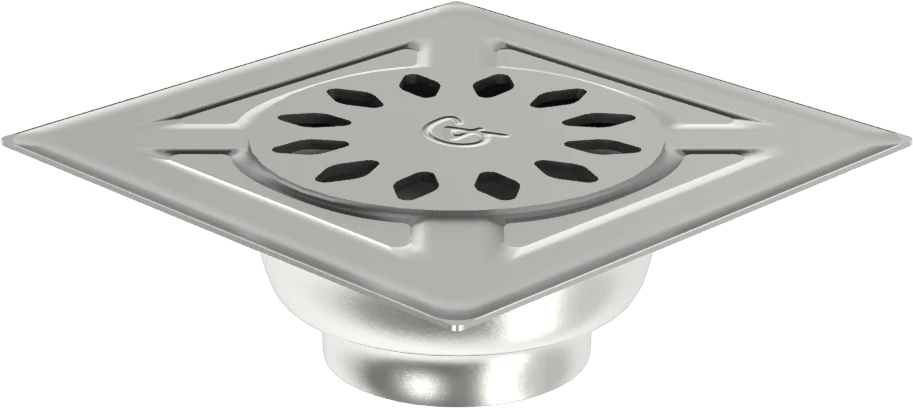
GA12-1Stainless steel trapped gullyTrapped gully manufactured entirely in AISI 304 stainless steel. Its design includes an integrated trap that effectively blocks bad odours and a re…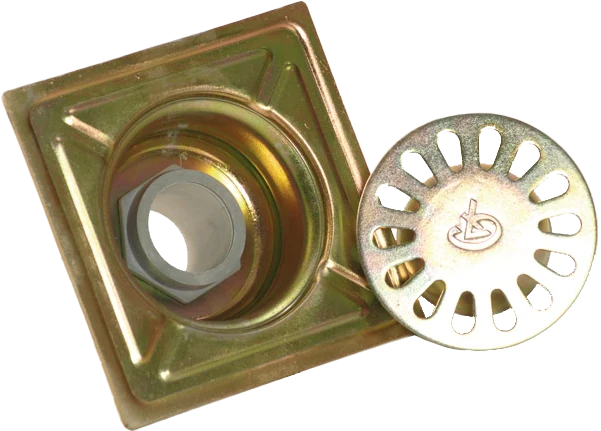 GA12-2Zinc-plated steel trapped gullyFunctional, robust trapped gully, manufactured in sheet steel protected with a hot-dip galvanised coating for excellent corrosion resistance. Its i…
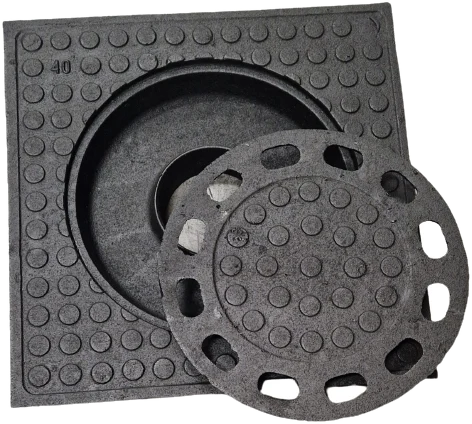 GA12-3Bell-type cast iron trapped gullyHeavy-duty trapped gully, manufactured in ductile iron and certified to load class B125 (EN-124). Ideal for pavements, pedestrian areas and car par…
Read the full guide
Professional gullies: Drainage solutions for construction, industry and outdoor areas
At Grupo Almagro, we offer a complete catalogue of gullies designed to guarantee efficient, durable water drainage in any professional project. From stainless steel gullies for environments with high hygiene requirements to PVC and cast iron solutions for civil works and outdoor areas, we have the stock and the technical advice you need. Explore our range and buy online the perfect drainage solution to ensure the integrity of your installations.
Find the perfect gully for every application
Every environment presents unique challenges for water drainage. Selecting the right gully is not just a question of dimensions, but of material, design and capacity. Use this guide to identify the optimum solution for your project.
- Terraces, Patios and Gardens Outdoor spaces need effective drainage to prevent damp and structural damage. For these applications, we recommend PVC gullies for their excellent corrosion resistance and competitive cost. For areas with pedestrian or light traffic, models with a cast iron grating offer greater mechanical strength. Consider models with an integrated leaf guard to minimise maintenance.
- Tiled Shower Trays and Wet Areas In bathrooms and changing rooms, hygiene is as important as functionality. Here, the preferred choice is stainless steel (AISI 304 or 316L), for its zero porosity, ease of cleaning and modern finish. We offer everything from classic square gullies to discreet linear solutions. It is essential to opt for a trapped model to effectively block bad odours.
- Industrial Units and Car Parks Industrial environments and loading areas require solutions of maximum robustness. These gullies must withstand the passage of heavy vehicles (load classes B125 or higher), resist chemical agents and drain large flows. Ductile iron gullies are the standard for high-traffic areas. In the food or chemical industries, stainless steel is mandatory. Many models include removable baskets for collecting solids, making maintenance easier.
Technical keys to an effective drainage system
Understanding these technical concepts will allow you to select a gully that optimises the performance and durability of the whole system.
- Trapped or Untrapped Gully? A trapped gully incorporates a "water seal" (a bend that retains water) that acts as a physical barrier against bad odours from the sewer network. It is the mandatory choice for indoor installations. An untrapped gully is a direct drain, suitable for outdoor areas or for systems where a general trap already exists downstream.
- Choice of Material: Stainless Steel, PVC and Cast Iron
- Stainless Steel: Ideal for applications requiring maximum hygiene (showers, commercial kitchens, laboratories). Durable and easy to clean.
- PVC: The most common for domestic and outdoor use (patios, terraces). It is lightweight, economical and corrosion-resistant.
- Ductile Iron: Used where high mechanical strength is required (car parks, roadways, industrial units).
- Outlet Types: Vertical vs. Horizontal
- Vertical Outlet: The drain connects from below. It is the most common and efficient option if there is space beneath the floor slab.
- Horizontal Outlet: The drain connects from the side. It is used in shallow floor slabs or in renovations.
Frequently Asked Questions (FAQ) about Gullies
What is a gully and what is it for? It is an element that collects rainwater or wastewater from a surface and drains it to the sewer network. It prevents flooding and waterlogging and protects the integrity of paving and structures.
What is the difference between a gully and a road gully? A gully is used in private or commercial settings (patios, showers). A road gully is a larger structure, typically a grating in the roadway next to the kerb, designed to capture large volumes of water from public roads.
How is a gully installed in a patio? In summary: 1) Locate it at the lowest point. 2) Prepare the trench and the drainage pipe. 3) Create a mortar bed. 4) Connect the gully, ensuring it sits slightly below the finished floor level to help water flow in. 5) Backfill and lay the floor finish.
What maintenance does a gully need? Remove the grating at least twice a year to clear debris such as leaves and soil. In trapped gullies, if odours appear due to lack of use, simply pour in a little water to refill the trap.
Which regulations should I take into account? Installation is governed by the Spanish Technical Building Code (CTE) and municipal by-laws, which define sizing according to the surface area and rainfall regime. It is essential to consult the current local regulations.