

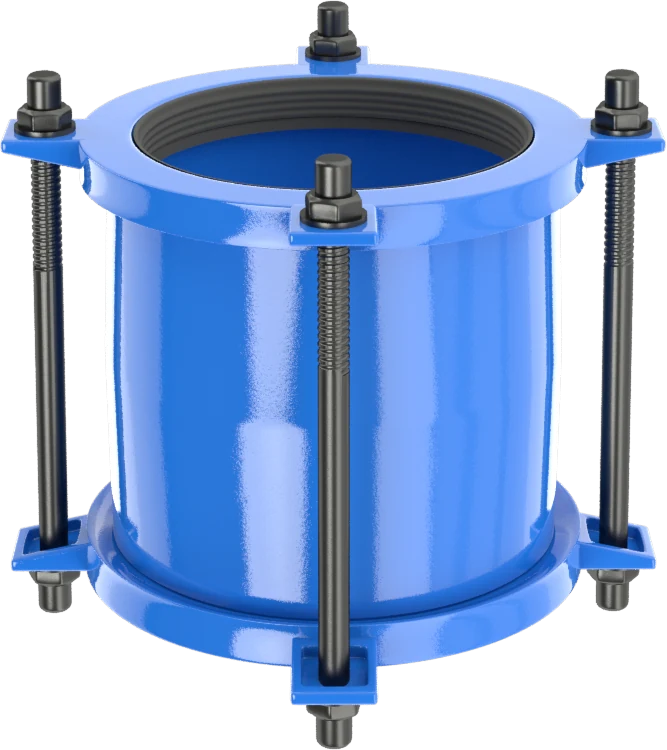
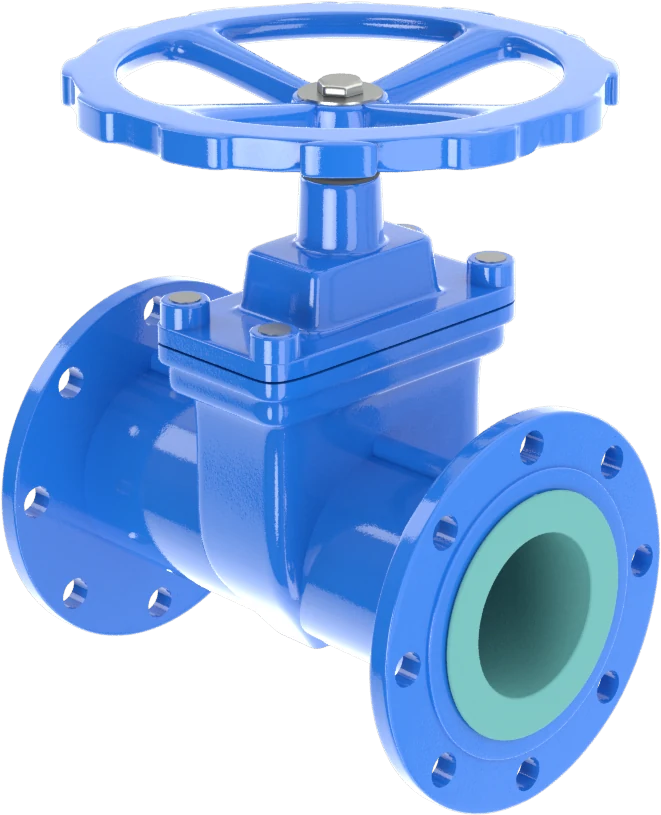
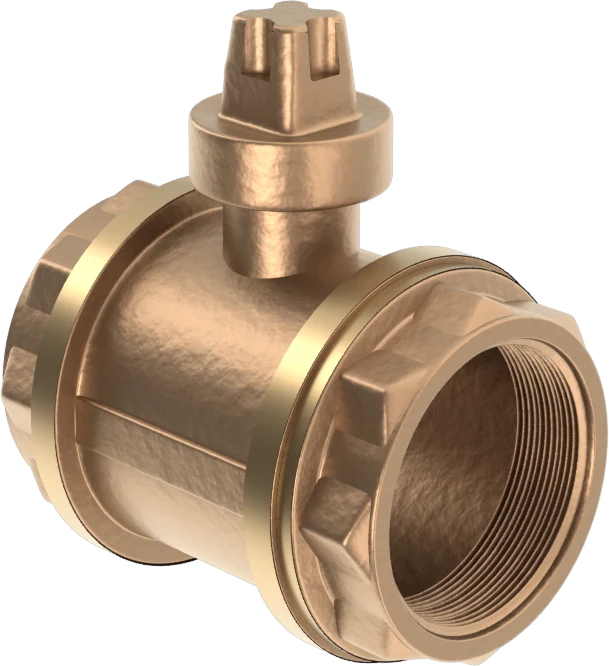
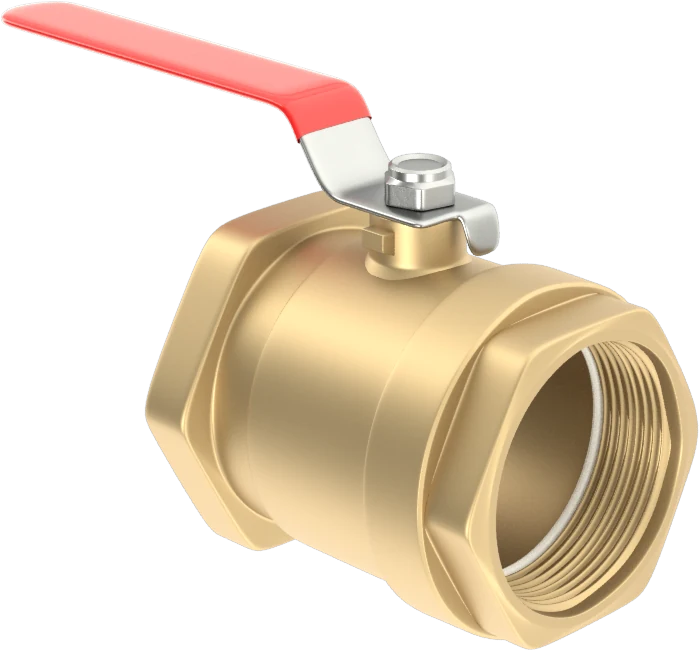
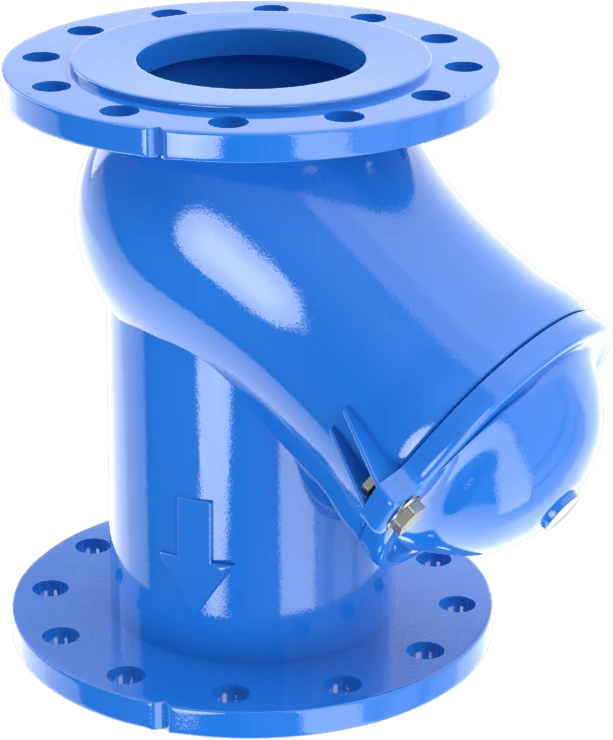
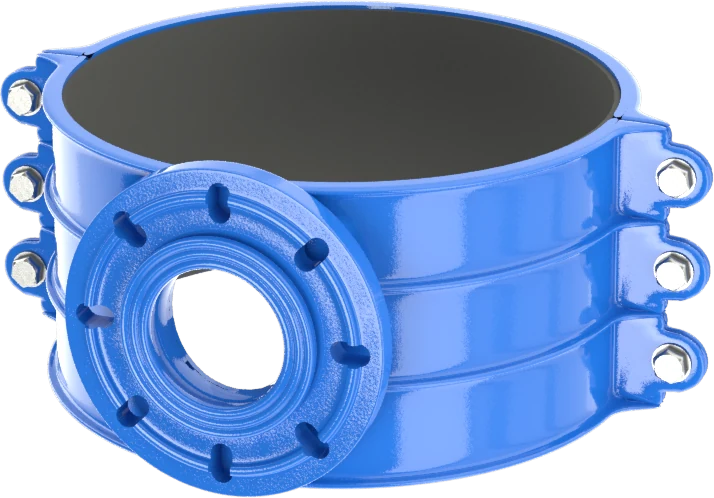
GA15 · 5 families · 57 references
Gate valves
GGG-50 resilient-seated valves, threaded, PVC socket and flanged.
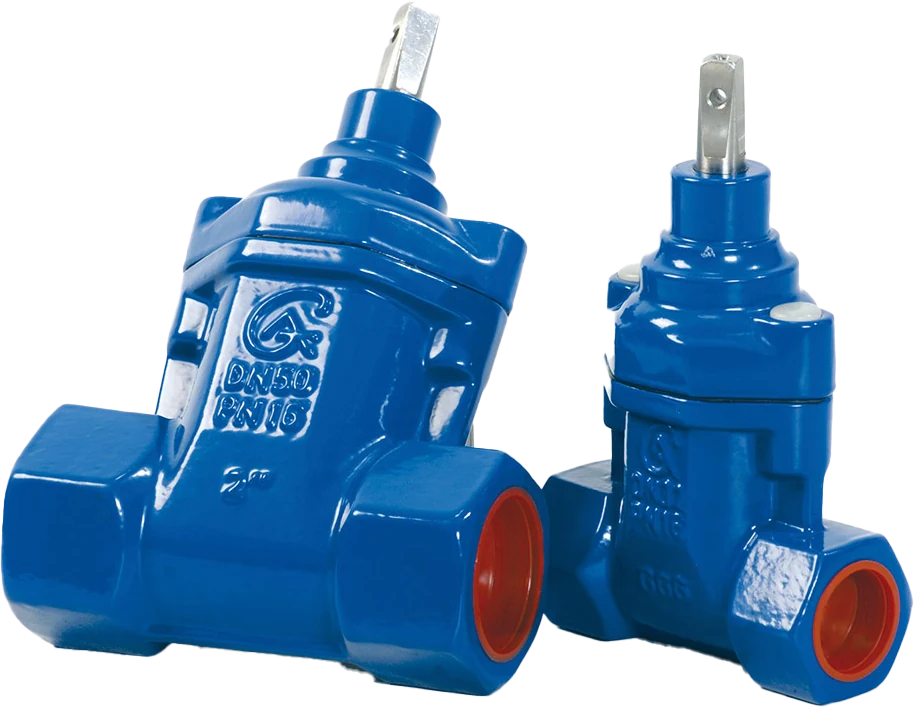
gate valves families
Click a family to see its technical data sheet and all its references.
GA15-1Threaded service connection valveMaximum-reliability service connection valve, with a GGG-50 ductile iron body and stainless steel stem. Its EPDM-encapsulated bronze wedge ensures…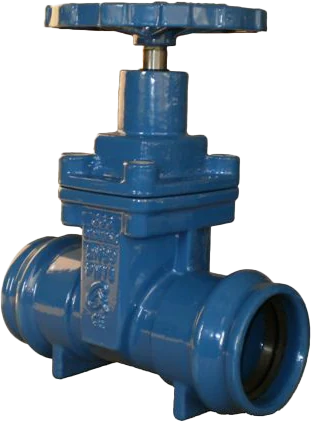 GA15-2Socket gate valve for PVCHigh-end gate valve, with direct socket connection for PVC pipes. Manufactured in GGG-50 ductile iron, with a 250-micron epoxy coating and resilien…
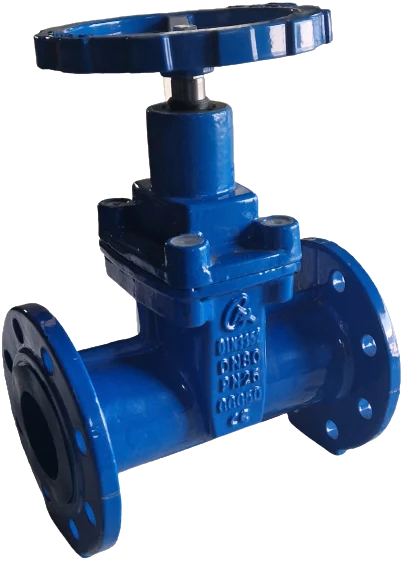 GA15-3Flanged gate valve PN25Maximum-performance flanged gate valve, designed for high pressure (PN25). Manufactured entirely in GGG-50 ductile iron, with resilient-seated wedg…
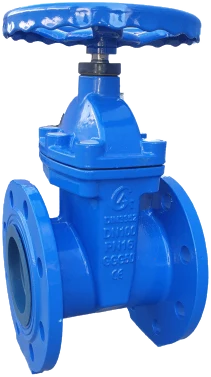 GA15-4Flanged gate valve model ALMAThe standard gate valve for professional water networks. Manufactured in GGG-50 ductile iron with a 250-micron epoxy coating, its resilient-seated…
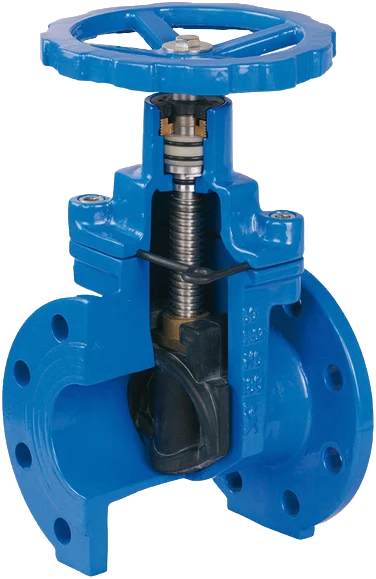 GA15-5Flanged gate valve model GAHigh-end gate valve for PN10/16 networks, designed for smooth, low-torque operation. Manufactured in GGG-50 ductile iron, with resilient seat and t…
Read the full guide
What is a Gate Valve and What is its Main Function?
A gate valve is a mechanical isolating device that uses a rectangular plate (the gate) to shut off the flow of a fluid. When the valve is open, the gate is fully withdrawn from the bore, resulting in minimal head loss. This full bore characteristic makes it the ideal solution for applications where unrestricted flow is crucial.
Its operation is simple: a threaded stem, driven by a handwheel, moves the gate perpendicular to the flow. It is essential to understand that these valves are designed exclusively to operate in two positions: fully open or fully closed. Using them in intermediate positions to regulate flow causes vibration and accelerated wear, compromising their sealing capacity. Their slow operation is also an intrinsic advantage that helps prevent the phenomenon of water hammer.
Types of Gate Valve: Solutions for Every Application
The versatility of the gate valve lies in its multiple configurations, optimised for specific service conditions.
By Seat Design: Resilient vs. Metal
- Resilient Seat: Incorporates an elastomer coating (such as EPDM) on the gate that creates a 100% tight seal. Its design prevents sediment build-up, making it perfect for potable water, wastewater and applications where tightness is critical.
- Metal Seat: Both the gate and the seat are metal, a design required for high-pressure, high-temperature applications (steam, thermal oil), where an elastomer would not withstand the conditions.
By Stem Movement: Rising Stem (OS&Y) vs. Non-Rising Stem
- Rising Stem (OS&Y): The stem rises and falls as the handwheel is turned, providing a clear visual indication of whether the valve is open or closed. It is ideal for above-ground installations where vertical space is not an issue.
- Non-Rising Stem: The stem only rotates, remaining inside the body. This design is much more compact and protected, perfect for underground installations or confined spaces.
By Material of Construction
Chemical compatibility and strength are key, which is why we offer a wide range of materials:
- Ductile Iron: The standard for water supply and drainage networks.
- Carbon Steel: Used in industrial applications for steam, gas and oil.
- Stainless Steel: Indispensable for corrosive fluids and the food and pharmaceutical industries.
- Special Alloys (Bronze, Monel): For specific services such as marine use or highly corrosive chemicals.
Key Industrial Applications
Thanks to their robust design, gate valves are fundamental in sectors such as:
- Water Treatment: For isolating trunk mains and pumping stations.
- Chemical and Petrochemical Industry: In the handling of hydrocarbons and chemical products.
- Power Plants: In feedwater, steam and cooling systems.
- Fire Protection Networks: As main isolating valves.
Criteria for Selecting the Right Valve
Choosing the correct valve is a crucial technical decision. At Grupo Almagro we help you consider all the factors:
- Type of Fluid: Determines the seat type and the materials.
- Working Pressure and Temperature: Define the pressure class (PN 16, ANSI 150) and the materials required.
- Material Compatibility: Vital to avoid corrosion and premature failure.
- Connection Type: Flanged (DIN, ANSI), threaded (BSP, NPT) or welded ends.
- Installation Space: Decides between a rising or non-rising stem design.
Frequently Asked Questions (FAQ)
Can a gate valve be used for regulation? No. They are designed for ON-OFF service only. Using them in an intermediate position damages the seat and the gate. For regulation, globe valves should be used.
What maintenance does it require? Very little. Periodic inspection of the seal is recommended and, on OS&Y models, keeping the stem clean and lubricated. It is good practice to operate them from time to time to prevent seizing.
What does "full bore" mean? It means that when open, the bore of the valve is equal to that of the pipe, ensuring minimal pressure loss, one of its main advantages.
Contact Our Experts
Not sure which valve to choose? Contact our team for free technical advice. We will help you select the optimum solution for your application. Explore our full catalogue to discover all our industrial valve solutions.
From the blog: guides on this family
More news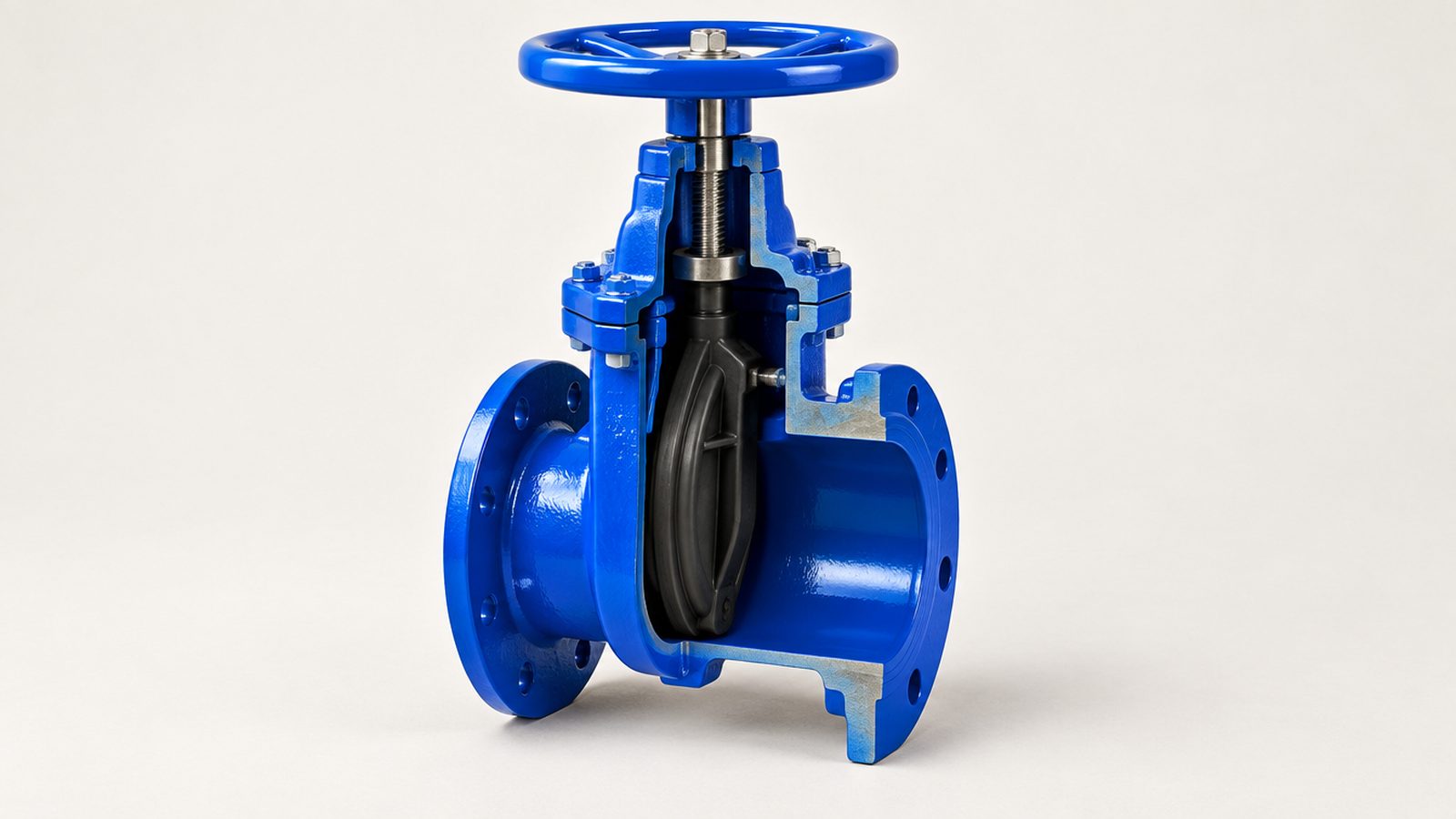 7 July 2026Resilient-seated or metal-seated gate valve: which to choose for irrigation and water supplyBoth close, but they do not age the same way. We explain what is inside a resilient-seated gate valve, why it dominates in buried networks and in which cases the metal seat still makes sense.
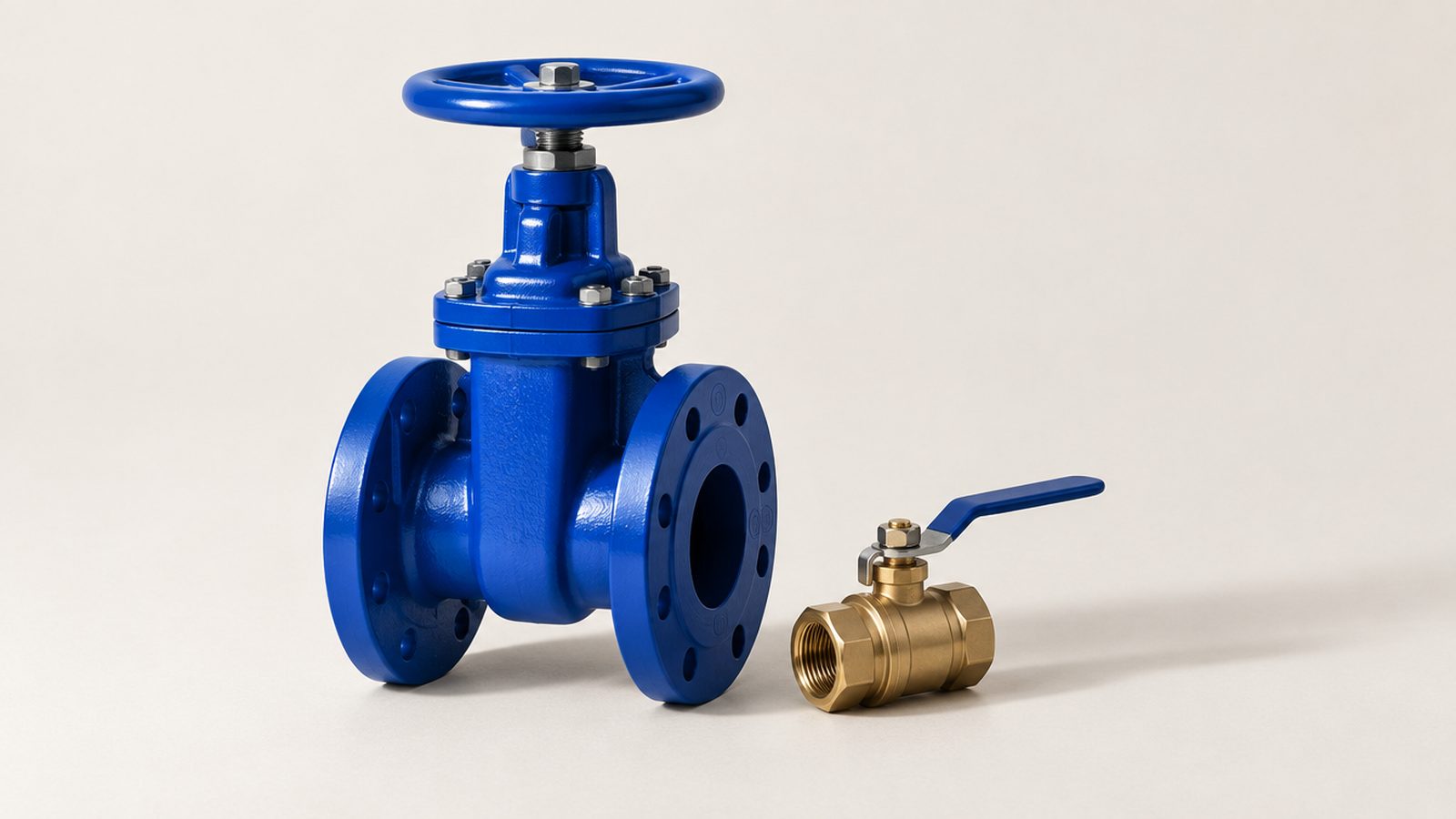 4 September 2026Valve manufacturers and the European marking for drinking water: what changes on 31 December 2026Directive 2020/2184 and Royal Decree 3/2023 bring a single European framework for materials in contact with drinking water. What it requires of cast iron and brass valves, and how we are tackling it in Molina de Segura.
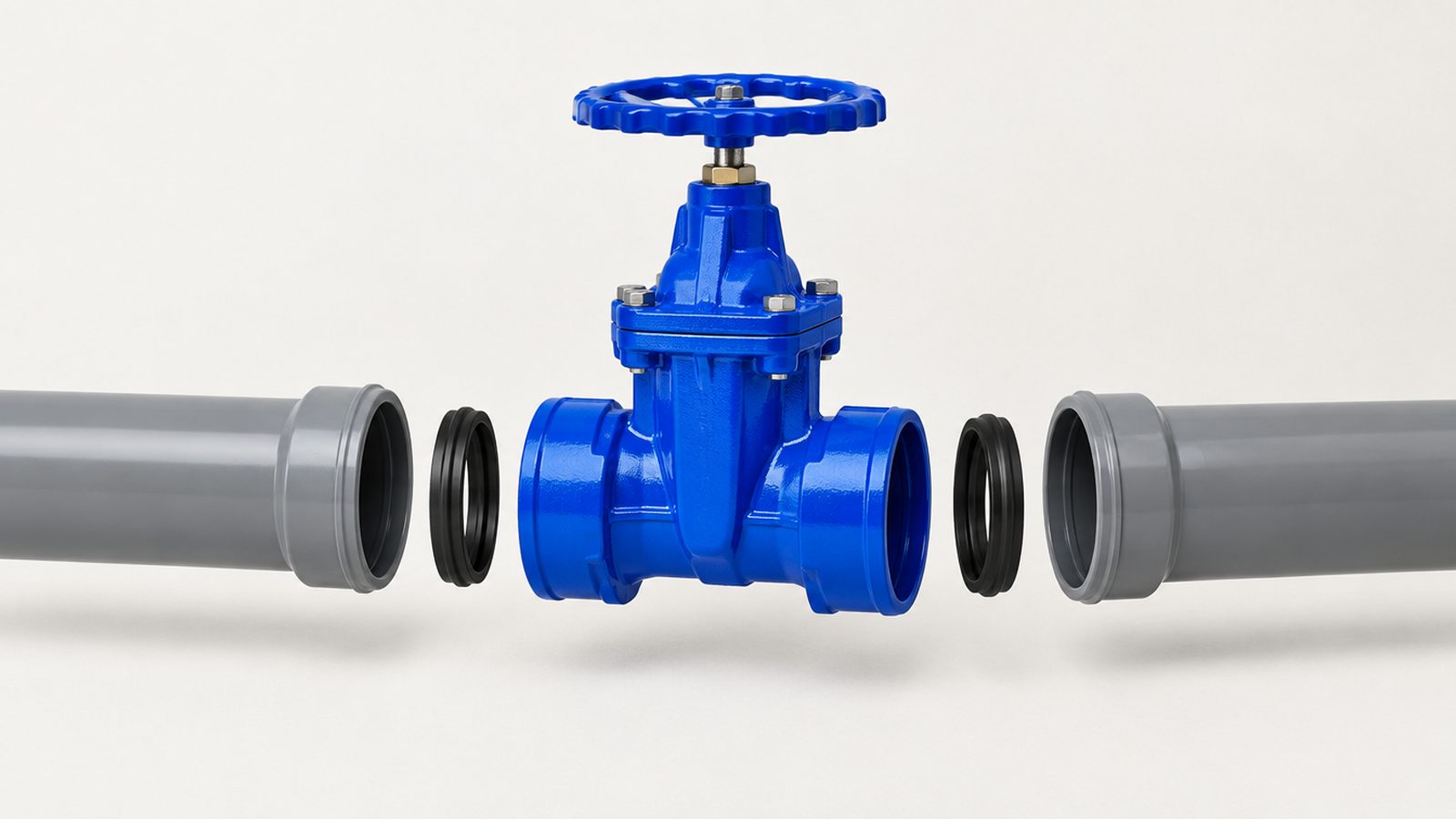 14 October 2025Gate valve with push-fit socket for PVC: when it saves flanges, stub flanges and time in irrigation networksA gate valve that is fitted directly onto the PVC pipe, with no flanges or stub flanges. How the gasketed socket works, in which diameters we manufacture it and when the flanged valve is still the better choice.