
4 September 2026 · regulations · drinking water
Valve manufacturers and the European marking for drinking water: what changes on 31 December 2026
Directive 2020/2184 and Royal Decree 3/2023 bring a single European framework for materials in contact with drinking water. What it requires of cast iron and brass valves, and how we are tackling it in Molina de Segura.
For almost thirty years we have manufactured valves knowing that, sooner or later, some of them would end up in a network carrying water for human consumption. That is why we have long been following Directive (EU) 2020/2184 and its Spanish transposition, Royal Decree 3/2023, closely. It sets the health criteria for drinking water and, with them, the rules for everything that touches it: pipes, gaskets, coatings and, of course, valves.
A single framework for the whole of Europe
Until now, each country had its own approval system for materials in contact with drinking water. The new European framework harmonises the positive lists of substances, the test methods and the way conformity is declared, with a common European mark whose application starts on 31 December 2026 and transitional periods for products already on the market. For a valve manufacturer this means two things: testing to the same criteria as a German or Italian manufacturer, and documenting the composition of every alloy and every coating.
What changes in cast iron
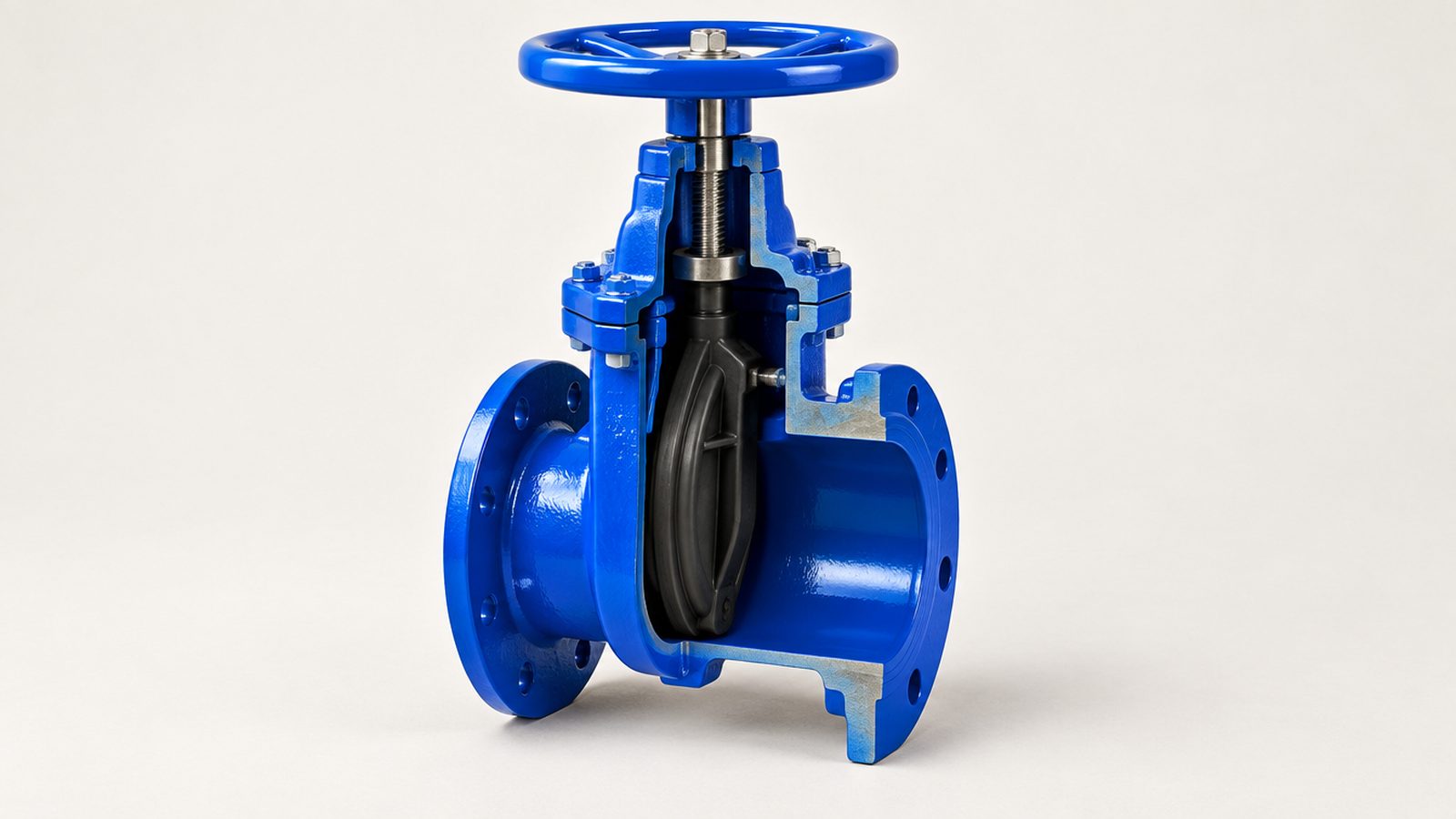
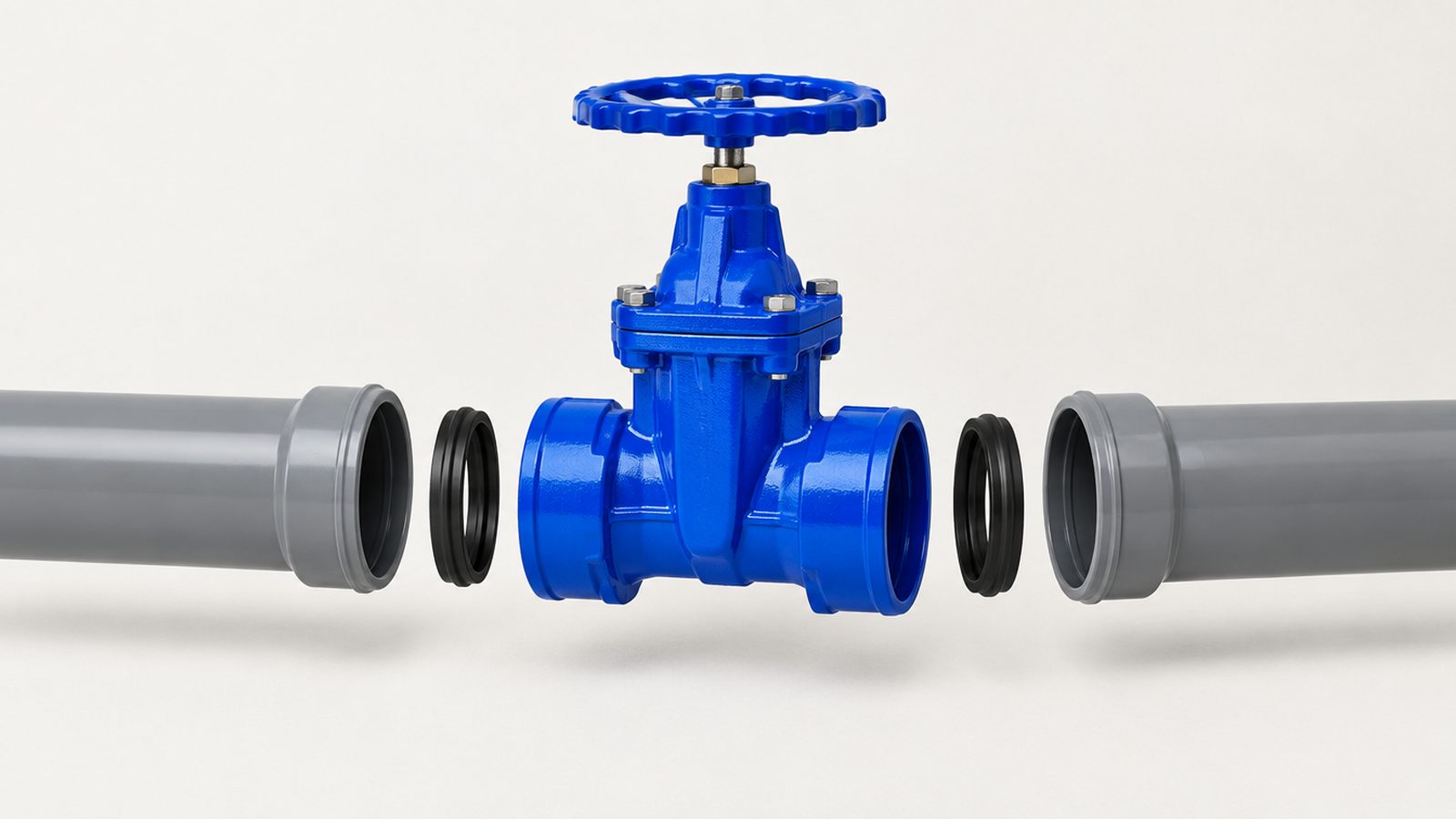
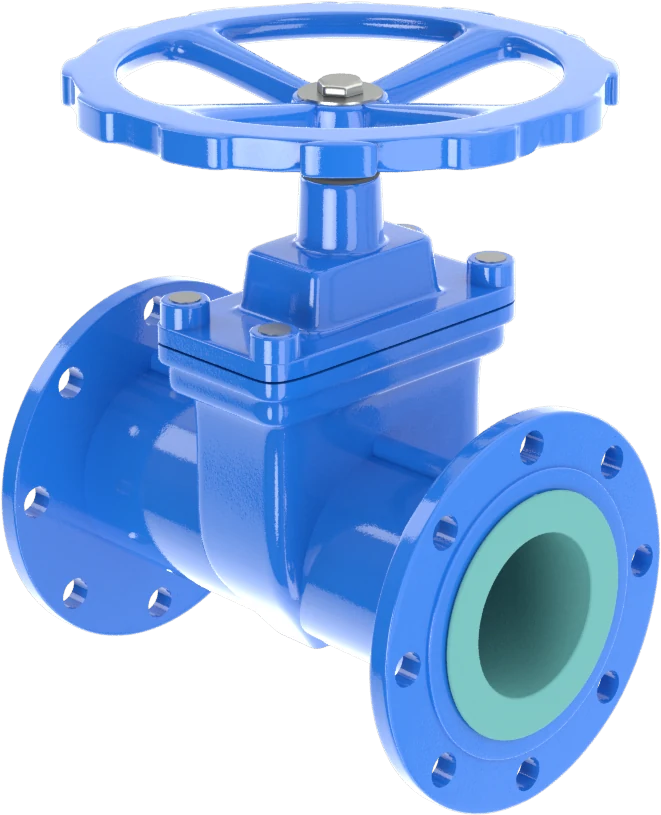
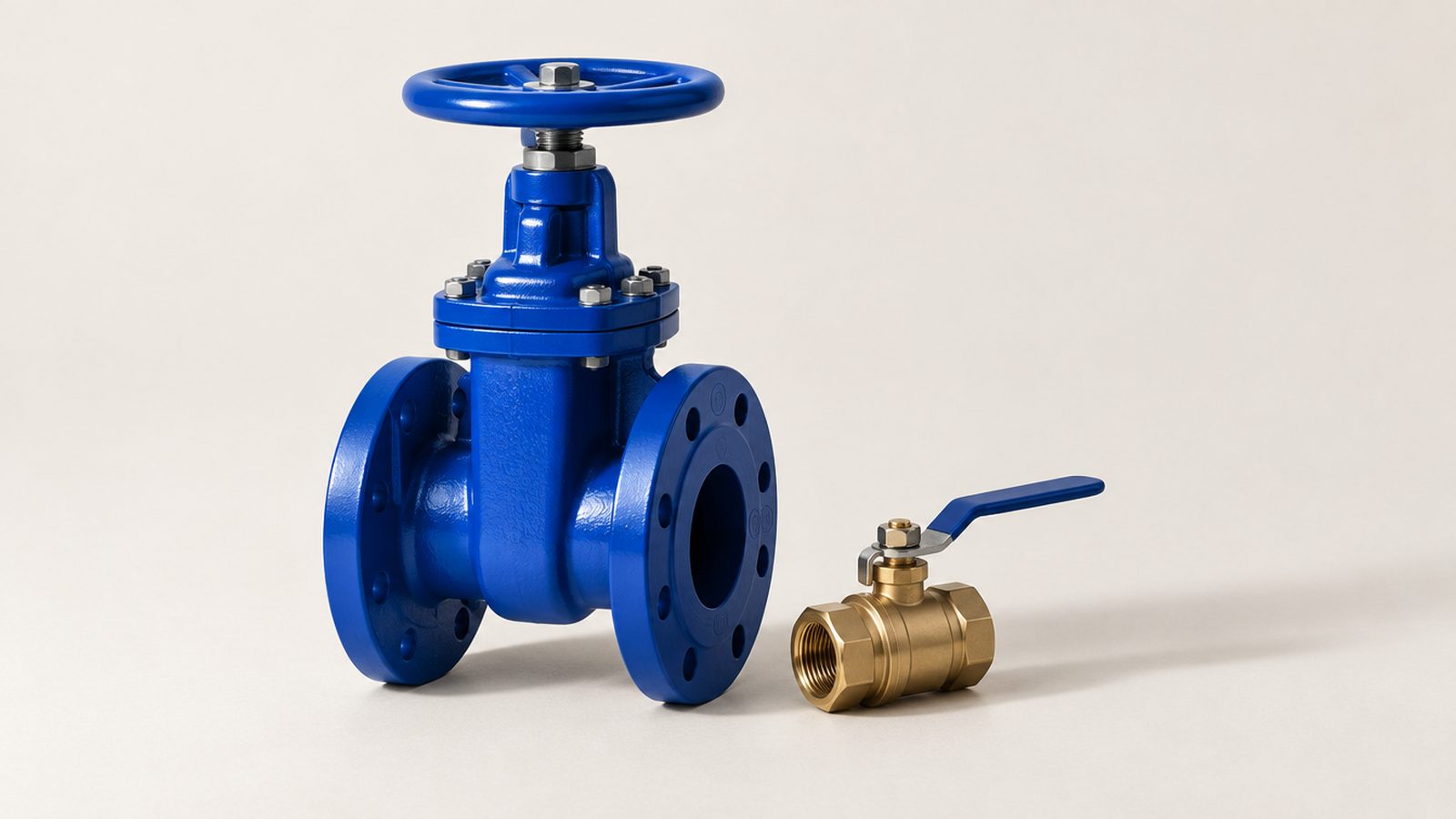
Our resilient-seated gate valve already complied with the essentials: GGG-50 ductile iron body with 250 µm powder-applied epoxy coating suitable for drinking water, wedge vulcanised in food-grade EPDM and stainless steel stem. The work we are doing now is about traceability: paint batches, gasket certificates and migration data sheets for every component, so that any ALMA model or GA model can demonstrate its conformity with a document, not with a promise.
Brass and lead
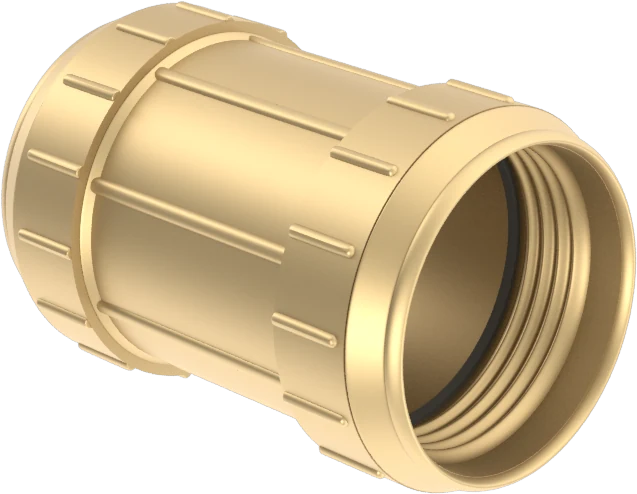
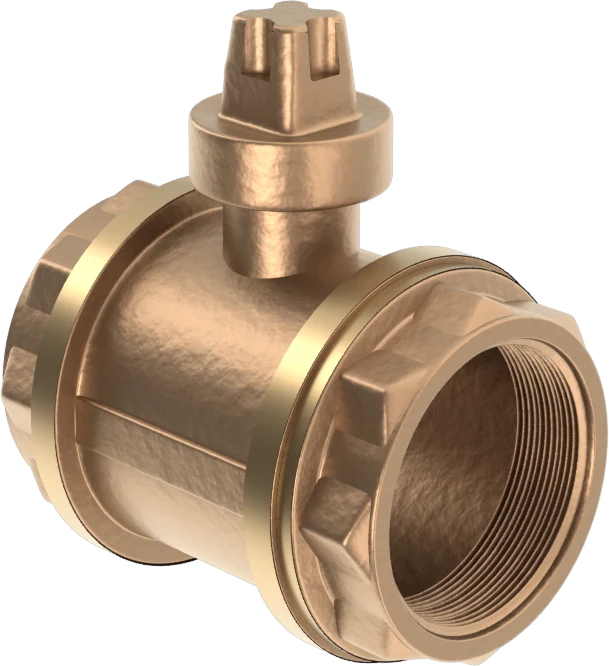
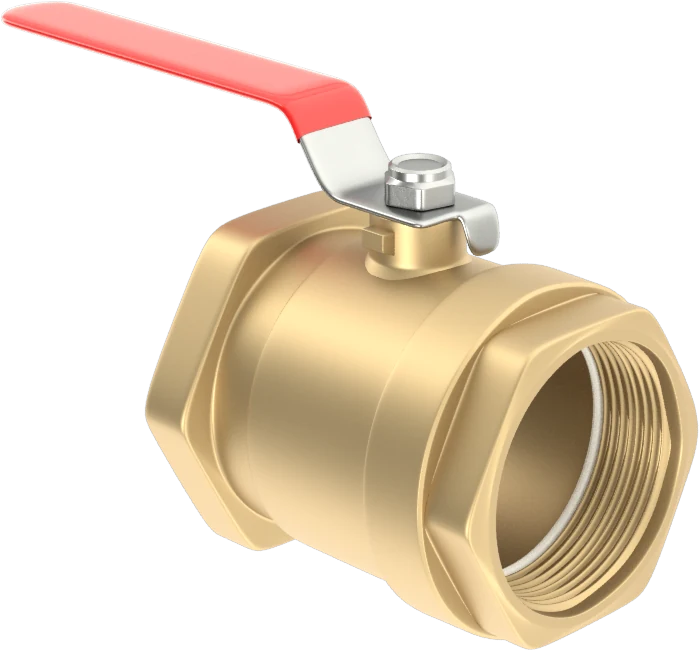
The most delicate point of the regulation is lead. RD 3/2023 prohibits installing components whose alloys contain lead in contact with water and lowers the parametric value to 5 µg/l in 2035. For the range of brass valves and fittings we work with low-lead alloys and with bronze ball valves in service connection sizes, which is where contact with the water is longest.
What buyers should ask for
If you are an installer, a water utility or an irrigation community with a mixed network, we recommend asking any valve manufacturer for three things: the certificate of suitability of the coating, the alloy composition of the brass and bronze parts, and the management system that backs all of the above. We do this with our ISO 9001 and 14001 certification and with downloadable datasheets on every reference in the catalogue.
If you have questions about a specific installation, write to us: it is easier to choose the right valve before burying it than to replace it afterwards.