
7 July 2026 · valves · gate valve
Resilient-seated or metal-seated gate valve: which to choose for irrigation and water supply
Both close, but they do not age the same way. We explain what is inside a resilient-seated gate valve, why it dominates in buried networks and in which cases the metal seat still makes sense.
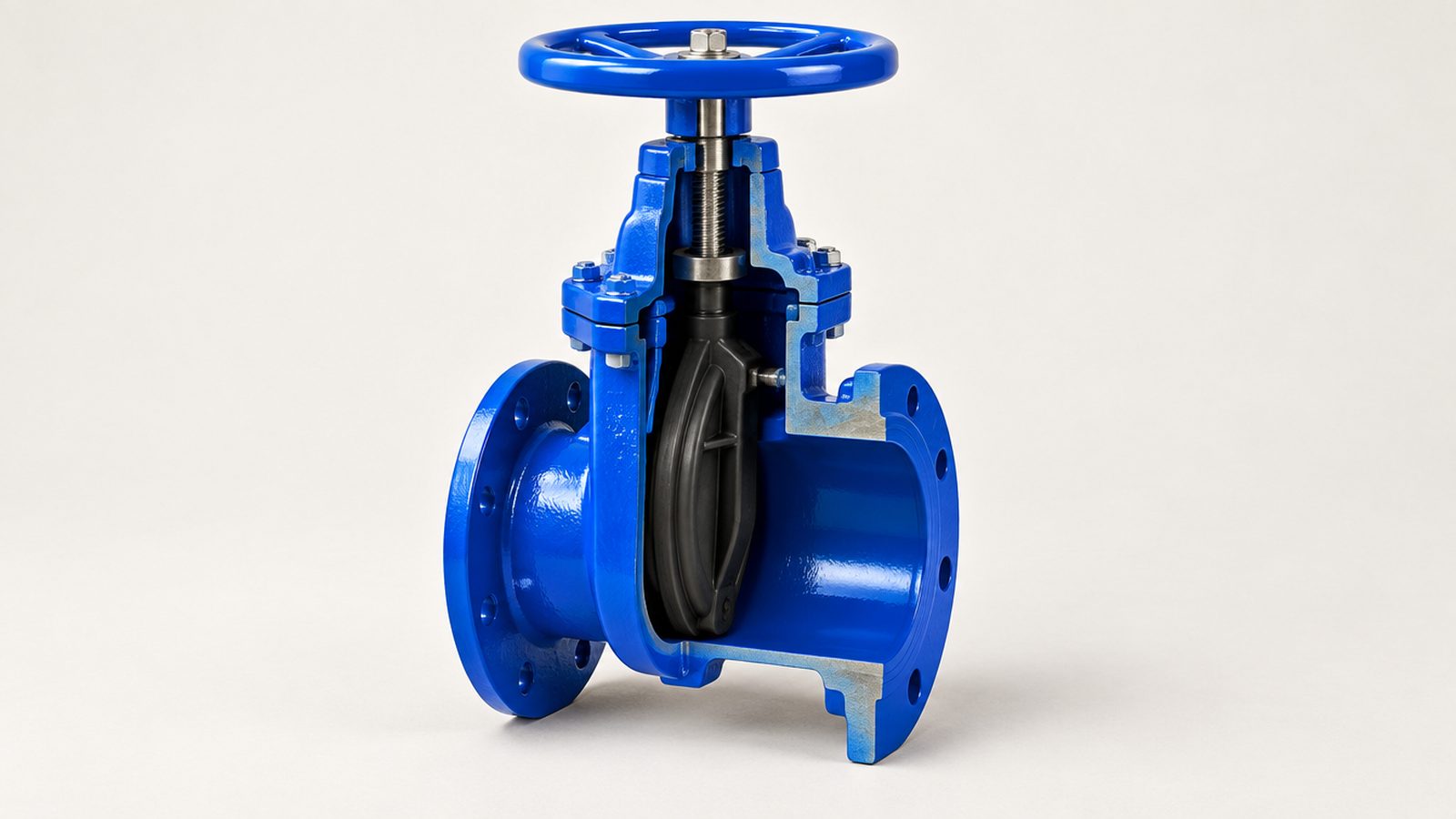
When someone asks us for "a DN 100 gate valve" there is almost always a second question behind it: resilient-seated or metal-seated? We manufacture both and both close, but they do not work the same way or age the same way. This is the explanation we give over the counter.
What is inside each one
In a metal-seated valve, the cast iron wedge comes down to rest on two bronze rings machined into the body. The seal is metal against metal: precise when new, but any particle that gets in the way or any wear leaves a path for water.
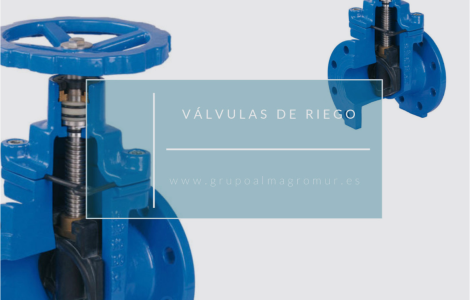
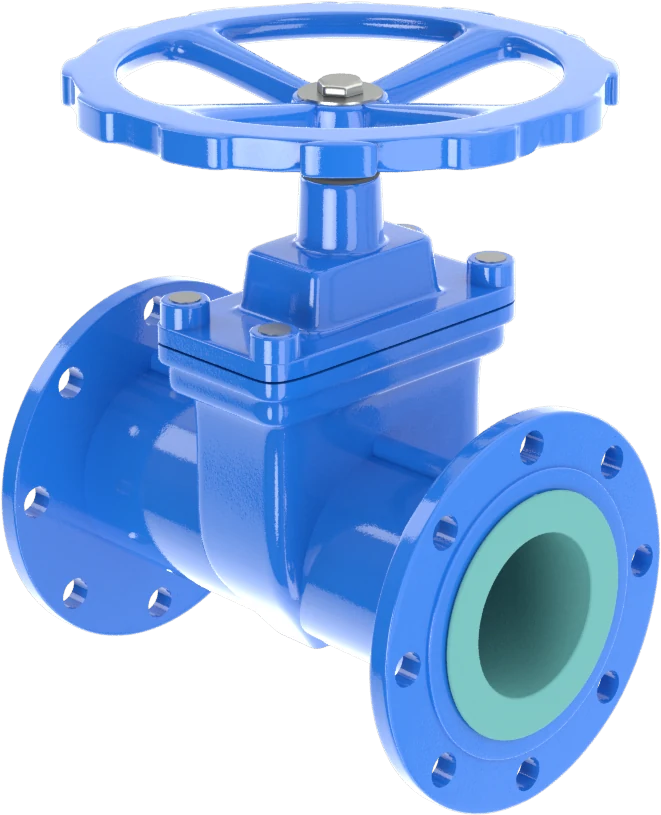
In the resilient-seated valve, the ductile iron wedge is fully vulcanised in EPDM. On closing, the rubber conforms to the body and seals even when there is sand, scale or slight distortion. The interior has a full, smooth straight bore, with no cavity in the bottom where sediment can collect, and the head loss with the valve open is practically that of the pipe.
Why the resilient seat dominates in buried networks
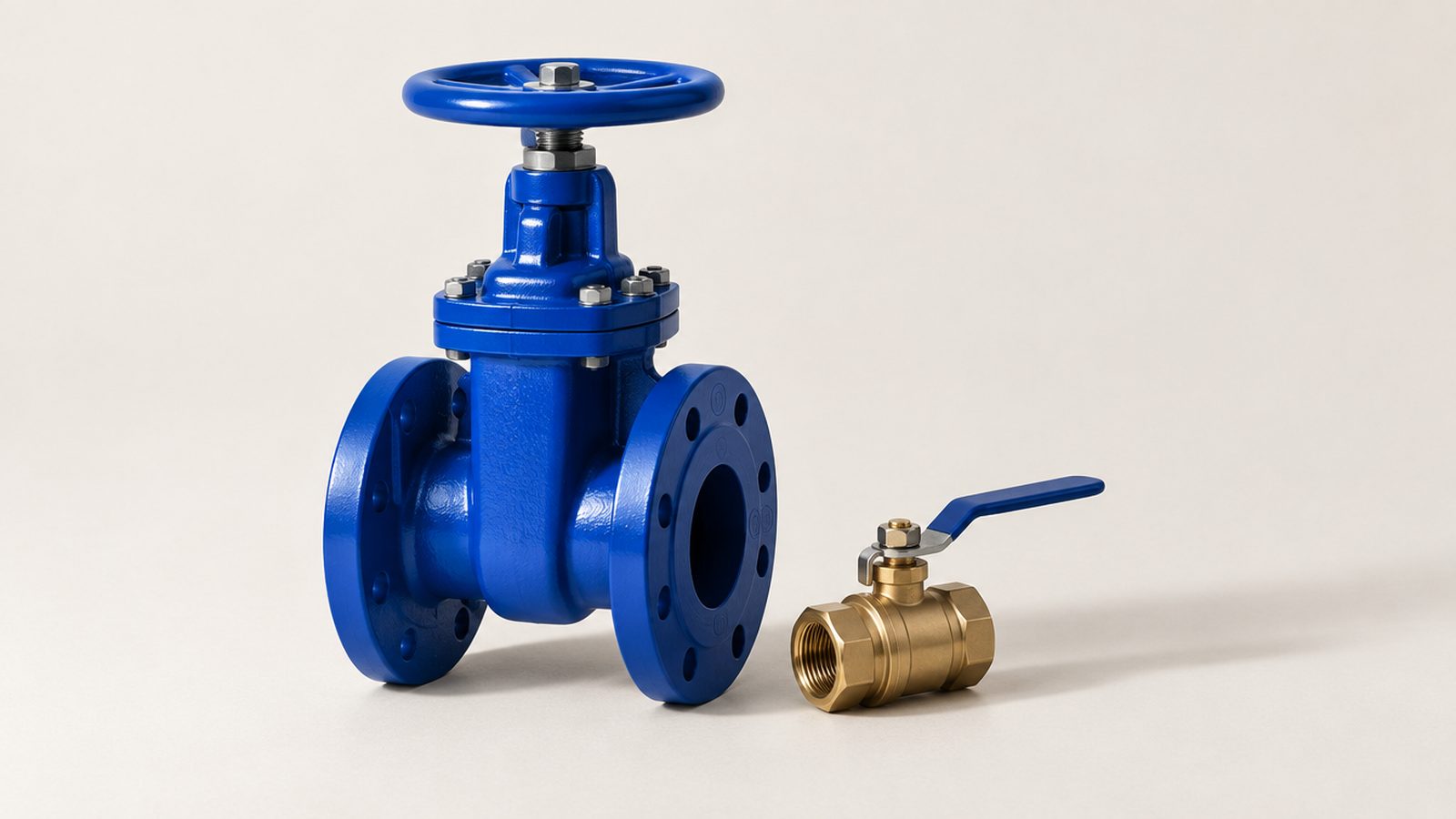
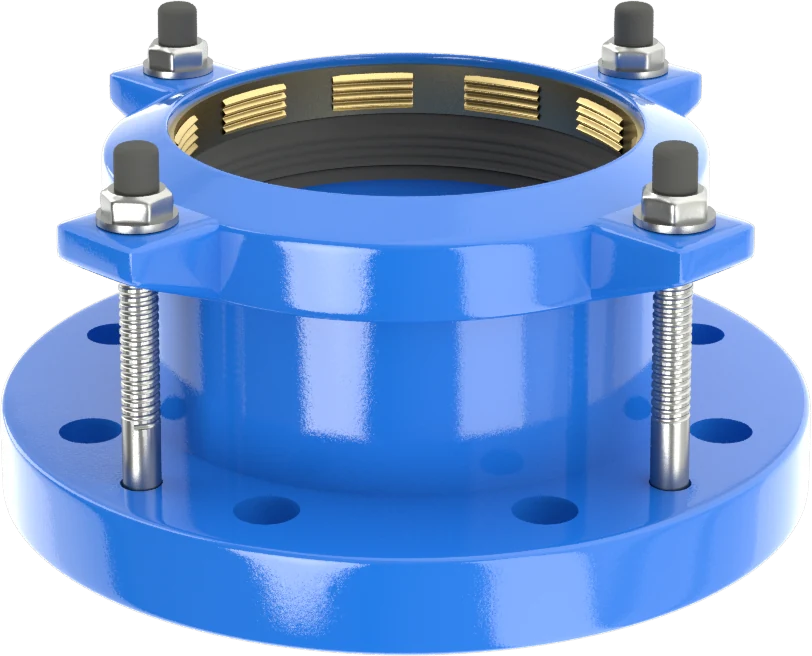
A buried valve is operated a few times a year and nobody is going to inspect it. There the resilient seat wins for three reasons: it does not drip over time, it does not trap solids and it does not need its seats refaced. Our ALMA and GA models have a GGG-50 body, 250 µm epoxy coating, stainless steel stem with brass nut and EN 1092 PN 10/16 flanges. For pumping mains and high pressure surges we manufacture the F5 PN 25 version, with a long body and reinforced bolting.
When the metal seat still makes sense
There are two cases: high temperatures or fluids that degrade EPDM (oils, solvents, steam), and large-diameter valves with very frequent operation in industrial installations. In irrigation and water supply, with water at ambient temperature, it rarely pays off.
Three details that get forgotten
- The working pressure is not the test pressure. A PN 16 valve is body-tested at 24 bar, but the network should work with a margin.
- The direction of closing. Our valves close clockwise; if the municipality uses a different convention, we manufacture them the other way round.
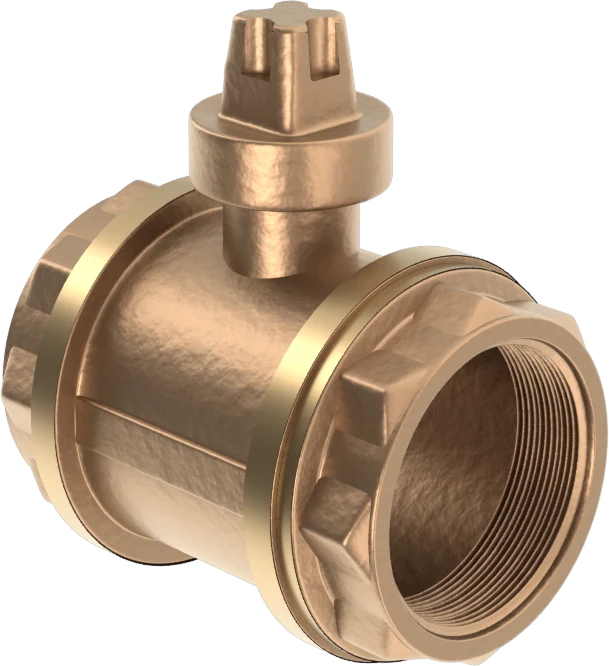
- The operation. Handwheel, square cap for a T-key under a surface box or extended stem: it is defined when ordering, not on site.
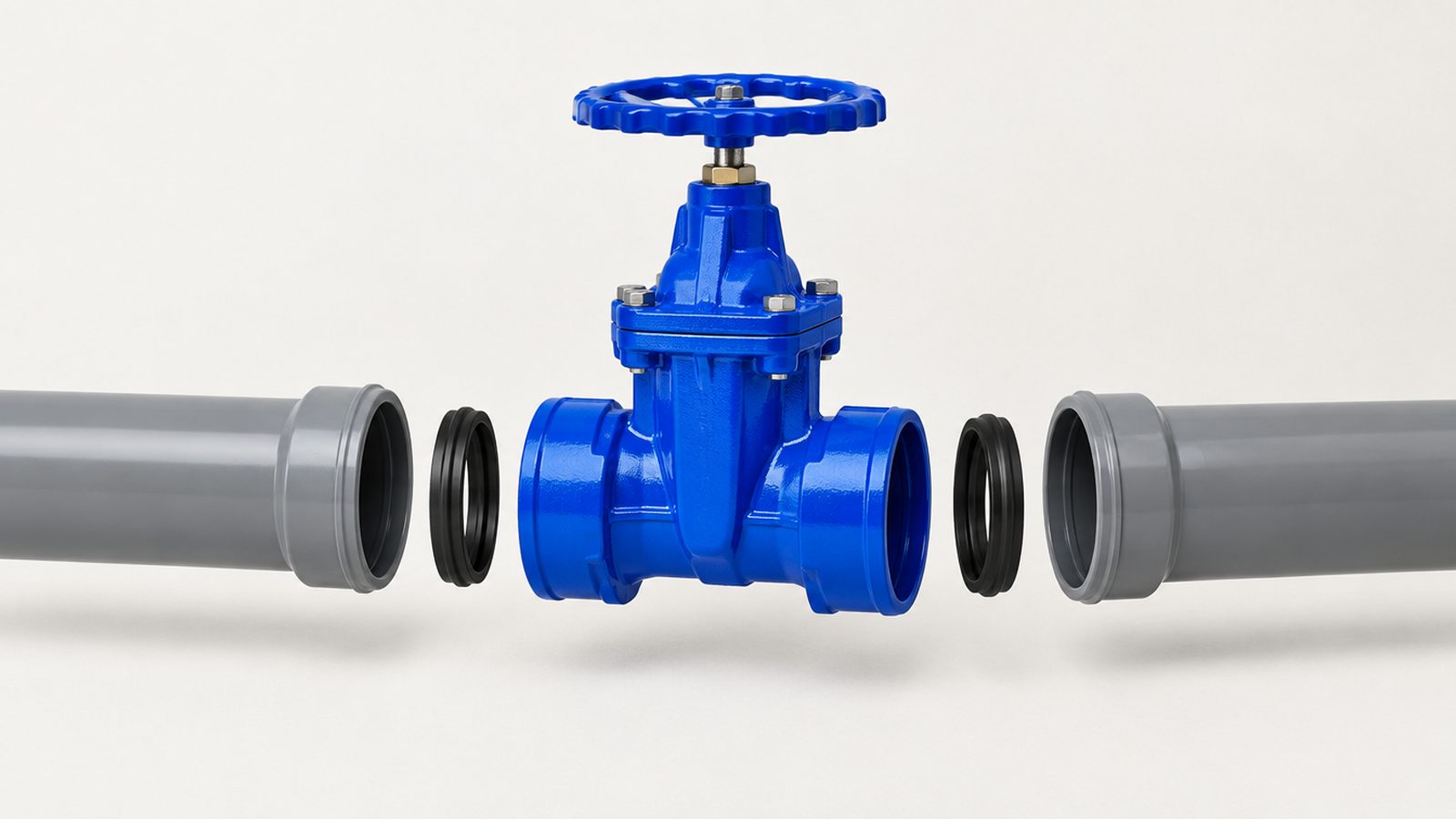
For small irrigation laterals we still recommend the gate valve with push-fit socket for PVC, which saves flanges and stub flanges. And if what you need is an overview of all the families, read What an irrigation valve is for and what types there are.