
GA06 · 1 families · 29 references
Dismantling joints
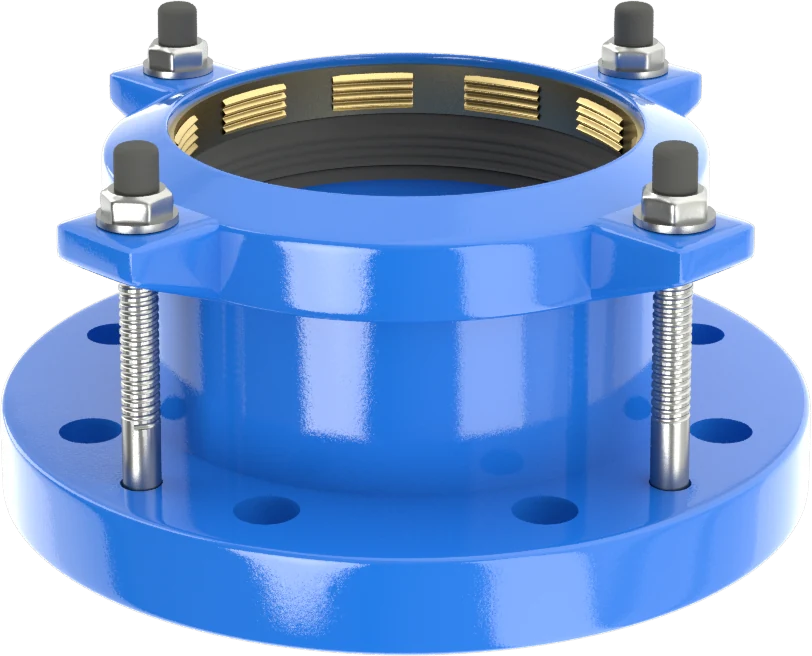
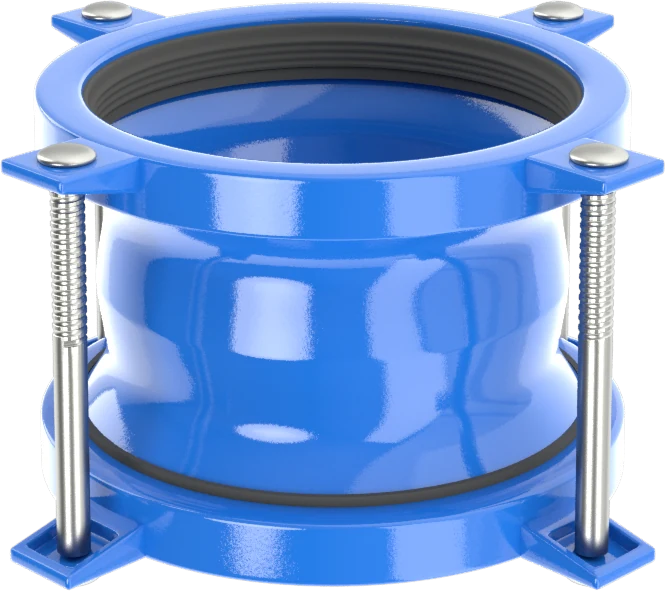
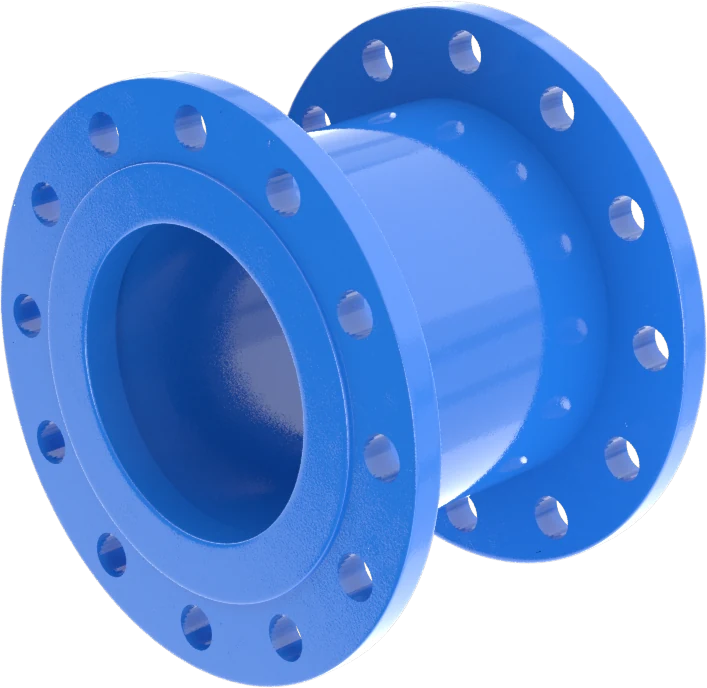
Telescopic dismantling joints for installing and removing flanged equipment.
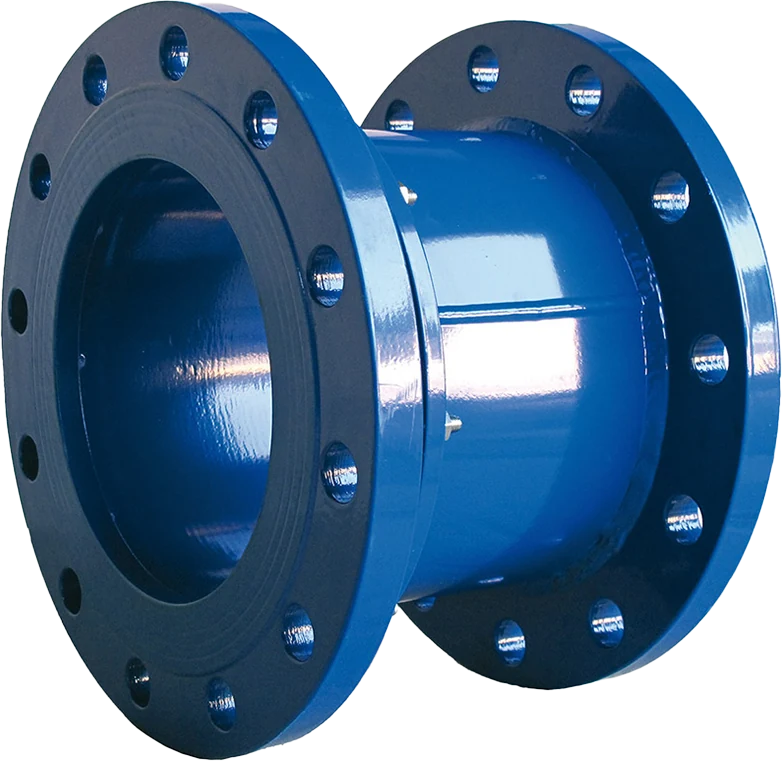
dismantling joints families
Click a family to see its technical data sheet and all its references.
Read the full guide
Dismantling joints: Precision solutions for piping systems
Grupo Almagro dismantling joints are essential engineering components designed to simplify the installation, maintenance and replacement of valves, pumps, meters and other flanged equipment in piping systems. Our range offers maximum reliability and flexibility, guaranteeing a secure, adjustable connection that reduces downtime and optimises the operational efficiency of your installations.
What are dismantling joints and what are they for?
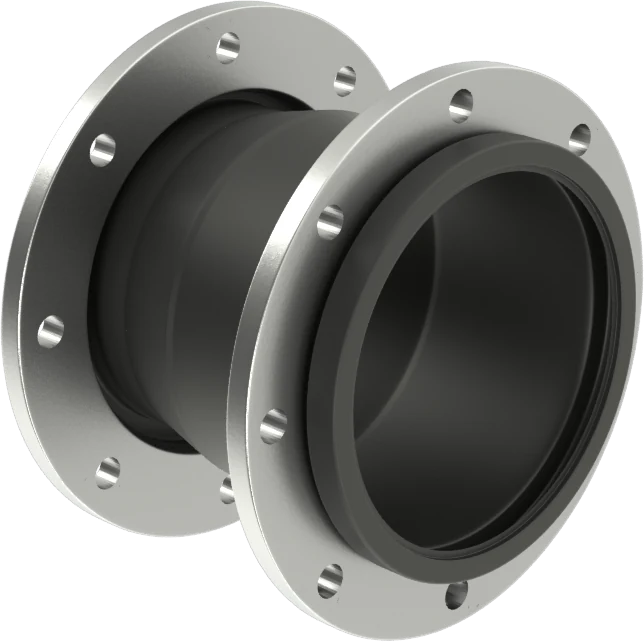
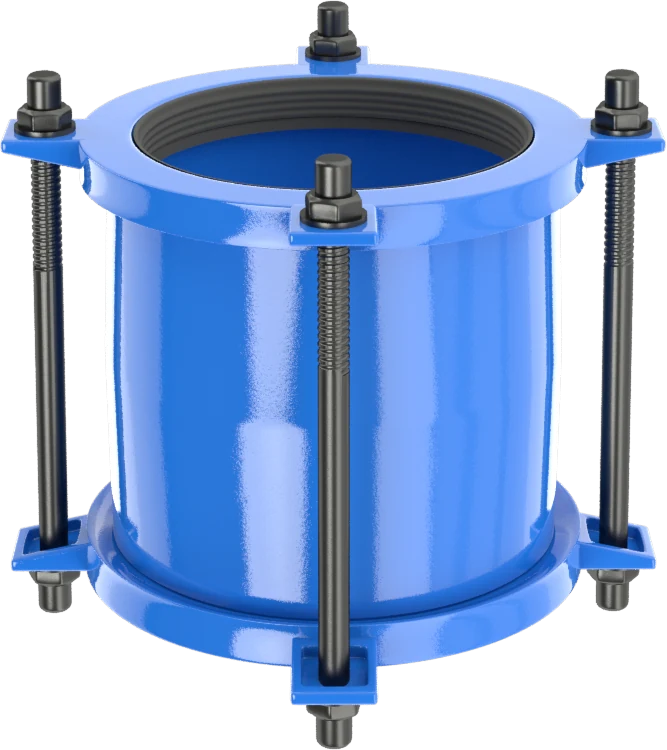
A dismantling joint, also known as a dismantling piece, is a mechanical fitting that provides longitudinal (axial) adjustment in a flanged pipeline. It acts as a "telescopic link" that allows a defined gap to be created for easily fitting or removing a piece of equipment, and then closing that gap to complete the connection in a watertight, secure manner.
Its main function is crucial for solving several engineering challenges. Firstly, it facilitates installation, allowing valves to be inserted into existing pipe runs without forcing the flanges or requiring trimming cuts. Secondly, it simplifies maintenance, as the joint can be shortened to free a piece of equipment for repair or replacement without stressing the rest of the pipeline. Finally, it compensates for construction tolerances by absorbing small axial deviations, ensuring perfect, stress-free alignment at flanged connections.
Key advantages of Grupo Almagro dismantling joints
At Grupo Almagro, every component is designed with durability, safety and ease of use in mind. Our dismantling joints offer tangible benefits that translate into superior performance and greater peace of mind for our customers.
- Maximum Flexibility in Assembly: Their wide axial adjustment range provides great versatility on site, absorbing tolerances and simplifying installation even in the most complex conditions.
- Superior Corrosion Protection: All our ductile iron dismantling joints have a high-adhesion epoxy powder coating, applied electrostatically. This guarantees exceptional, long-lasting protection, suitable for buried installations or aggressive environments.
- Guaranteed Structural Safety: Fitted with high-strength steel tie bars (zinc-plated or stainless steel on request), our dismantling joints ensure a robust connection capable of withstanding the working pressure and preventing leaks or failures.
- Total, Reliable Watertightness: We use high-quality EPDM gaskets, certified for use with potable water (WRAS), which guarantee a perfect, durable seal throughout the product's service life.
Main applications in key sectors
The robustness and versatility of our dismantling joints make them the ideal solution for a wide variety of critical applications across multiple sectors.
- Water Cycle Management: Indispensable in water treatment works (WTW) and wastewater treatment plants (WWTP) for the maintenance of pumps, valves and measuring equipment.
- Distribution Networks: Used in chambers and valve pits to allow the efficient replacement of hydrants, air valves and other network elements.
- Industrial Sector: Applied in processes requiring periodic maintenance of equipment in pipelines, such as in the chemical, mining or power generation industries.
- Fire Protection Systems: Key components in fire pump rooms, ensuring the rapid replacement of critical elements to keep the system always operational.
Frequently Asked Questions (FAQ)
How is a dismantling joint installed correctly? The joint is offered up at its minimum length next to the equipment. Once the equipment is in place, the joint is extended until it contacts both flanges. Finally, the flange bolts and tie bar nuts are tightened gradually and in a cross pattern for uniform compression of the gasket.
What is the difference between a dismantling joint and an expansion joint? The dismantling joint provides length adjustment to facilitate the assembly of equipment. An expansion joint, on the other hand, is designed to absorb continuous pipe movements (expansion, vibration) during normal operation.
What maintenance does a dismantling joint require? They are designed for maintenance-free service thanks to the quality of their materials. A periodic visual inspection is recommended to check for the absence of corrosion and to re-tighten the bolts if operating conditions warrant it.
Are your dismantling joints suitable for potable water? Yes. Our standard dismantling joints are manufactured from materials fully suitable for contact with drinking water. The epoxy coating and EPDM gaskets comply with strict standards, such as WRAS, guaranteeing that they do not alter water quality.
Talk to a Piping Solutions Expert
Not sure which model you need for your project? The Grupo Almagro technical team is at your disposal to advise you. We bring decades of experience to ensure that you receive not just a product, but a complete, reliable solution.
Contact us today for a personalised quote or to resolve any technical query. We are here to help.
From the blog: guides on this family
More news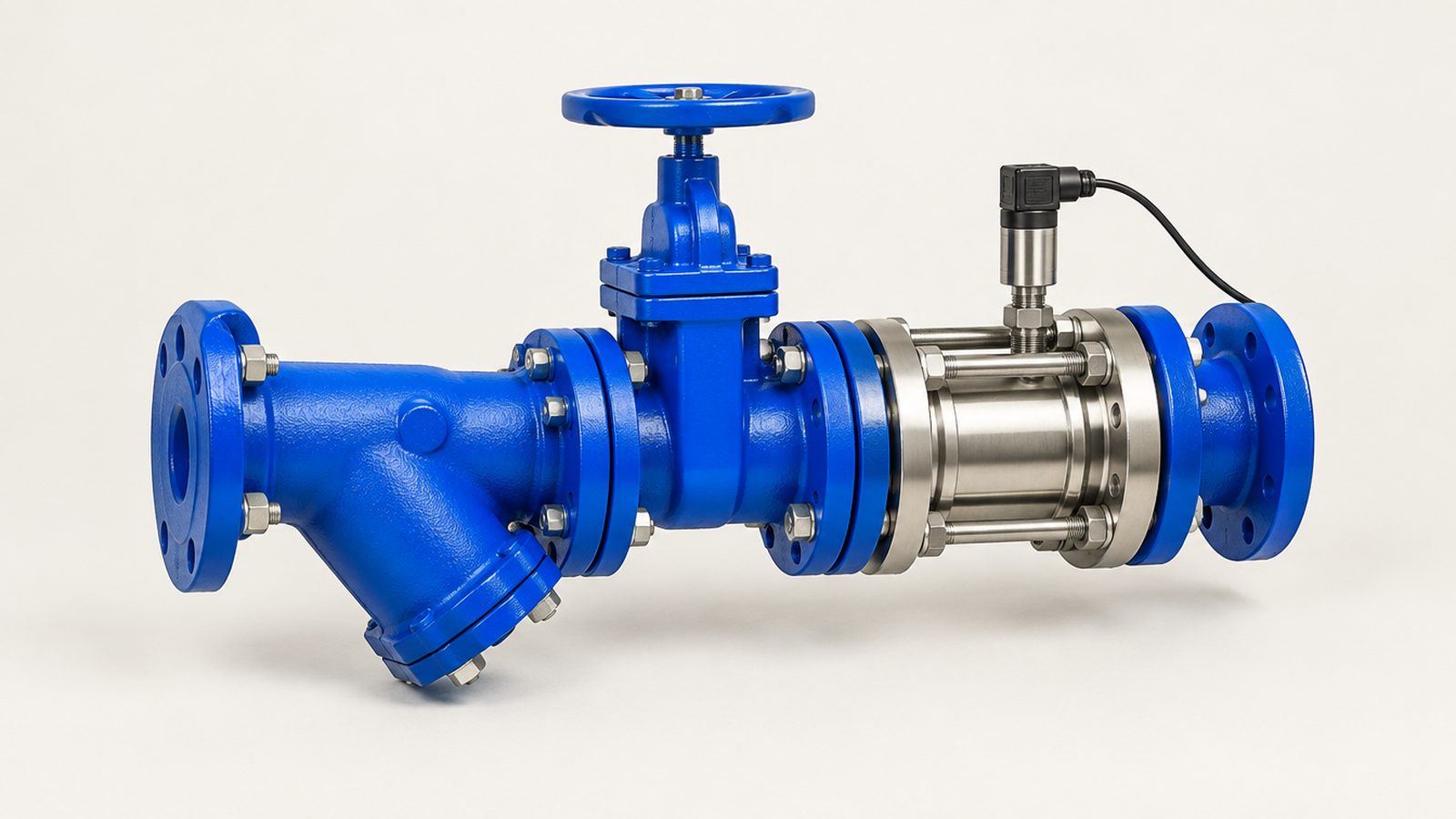 12 May 2026Digitalisation of irrigation communities: which hydraulic parts a remote-controlled control head needsThe PERTE for digitalisation of the water cycle has funded hundreds of remote-control projects in irrigated areas. Sensors and solenoid valves are the visible part; underneath, you need hydraulics that do not fail.
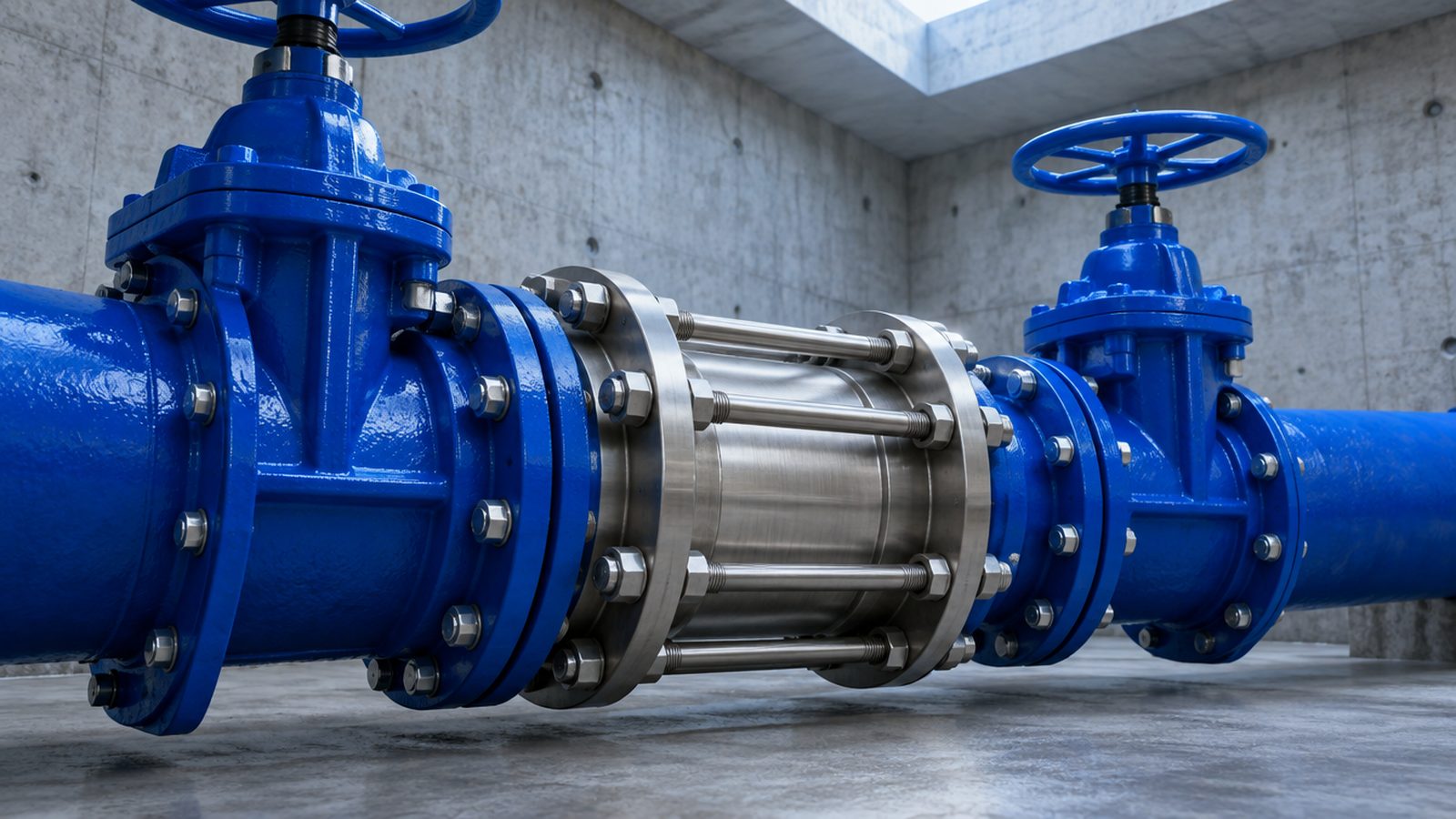 9 December 2025Dismantling joints: what they are for and how to size them in a valve chamberIt is the part nobody sees until a valve has to be replaced. What a dismantling joint is, where it goes, how the length is chosen and why we manufacture it in stainless steel.
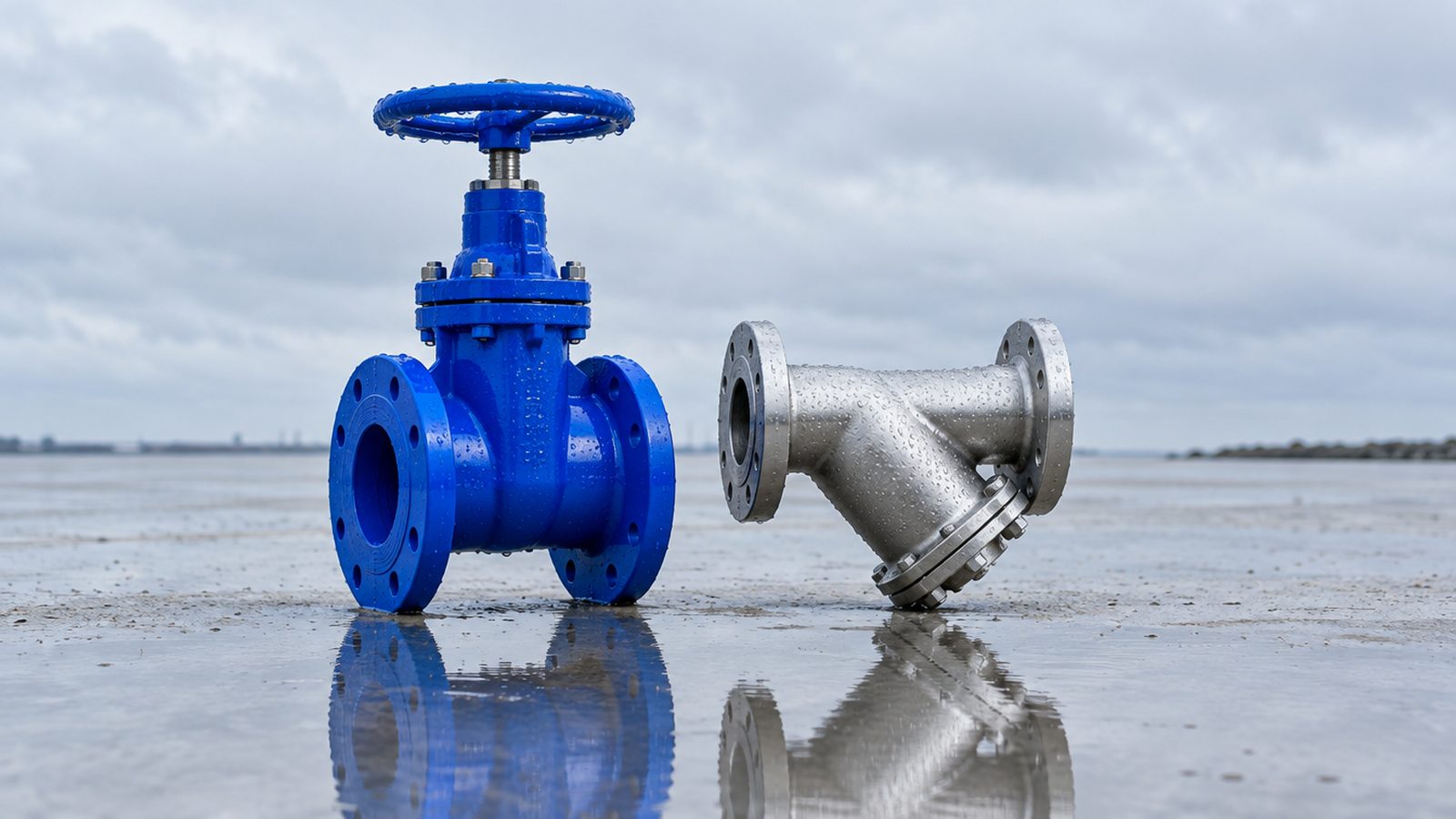 21 January 2026Reclaimed and desalinated water in irrigation: what it demands of valves and fittingsSpain reuses more water than any other European country, and the south-east irrigates more and more with desalinated water. These are different waters: more salts, more chlorine, more aggressive to metal. This is how we manufacture for them.