
21 January 2026 · reclaimed water · desalination
Reclaimed and desalinated water in irrigation: what it demands of valves and fittings
Spain reuses more water than any other European country, and the south-east irrigates more and more with desalinated water. These are different waters: more salts, more chlorine, more aggressive to metal. This is how we manufacture for them.
In the Region of Murcia and throughout the south-east, a growing share of irrigation water no longer comes from the river or the well: it comes from a wastewater treatment plant or a desalination plant. Spain reuses around a third of all the reclaimed water in the European Union, and in areas like ours almost all of it goes to agriculture. That is good news for farming and a challenge for the parts that carry that water, because it does not behave like the water we were used to.
Why it is more aggressive
Reclaimed water arrives with residual chlorine from disinfection and with more organic matter and fine solids. Desalinated water, even though it is remineralised, retains chlorides and a pH that has to be monitored. Both attack carbon steel, pit low-quality brass and degrade rubbers that are not of the right family. A valve that lasts thirty years in well water can start to fail after five.
Ductile iron, but properly coated
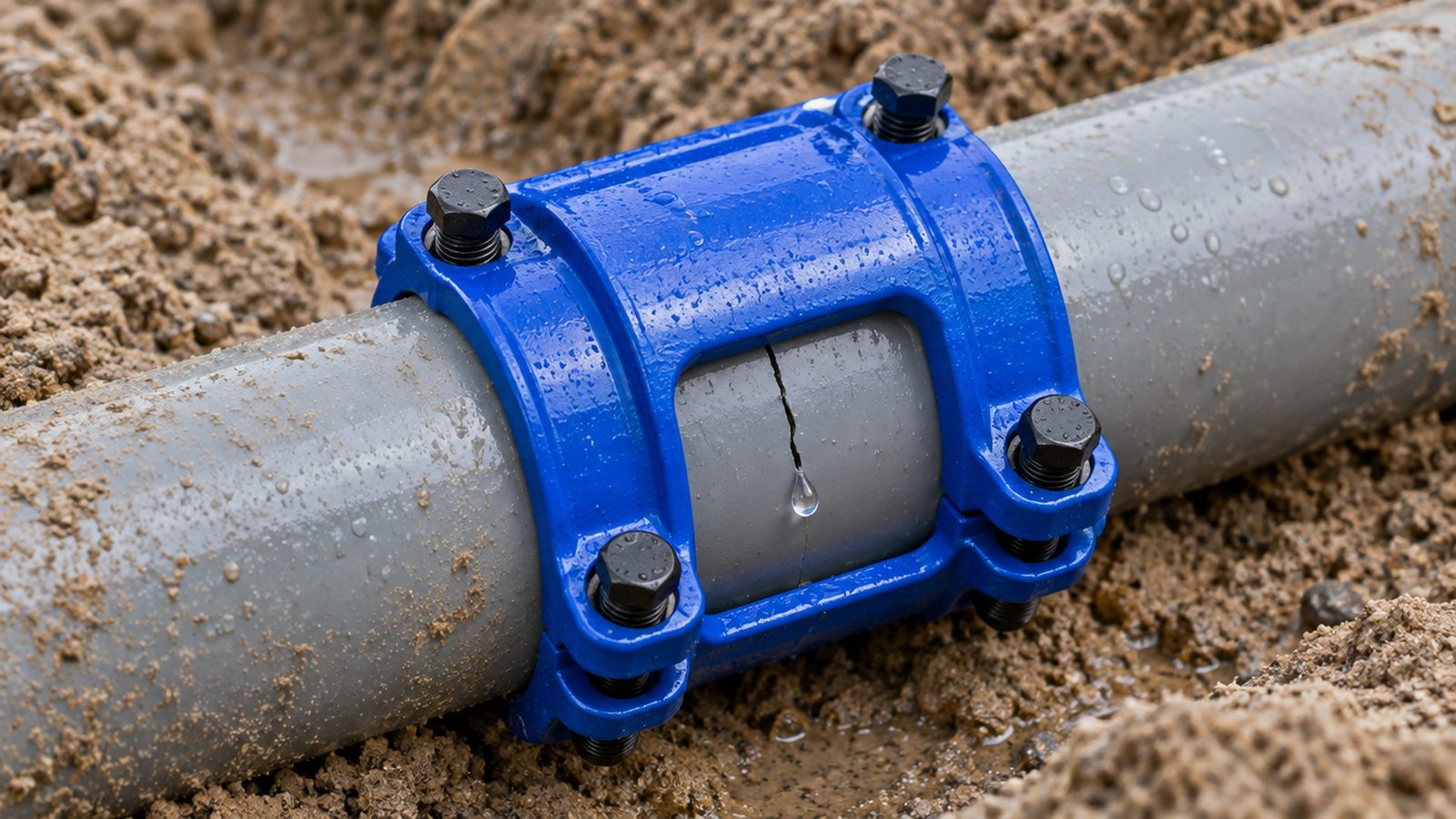
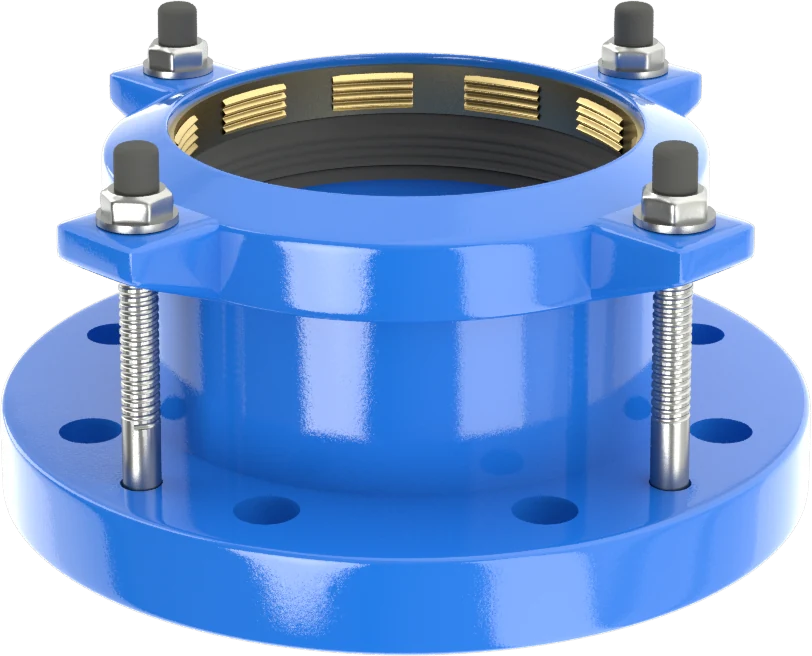
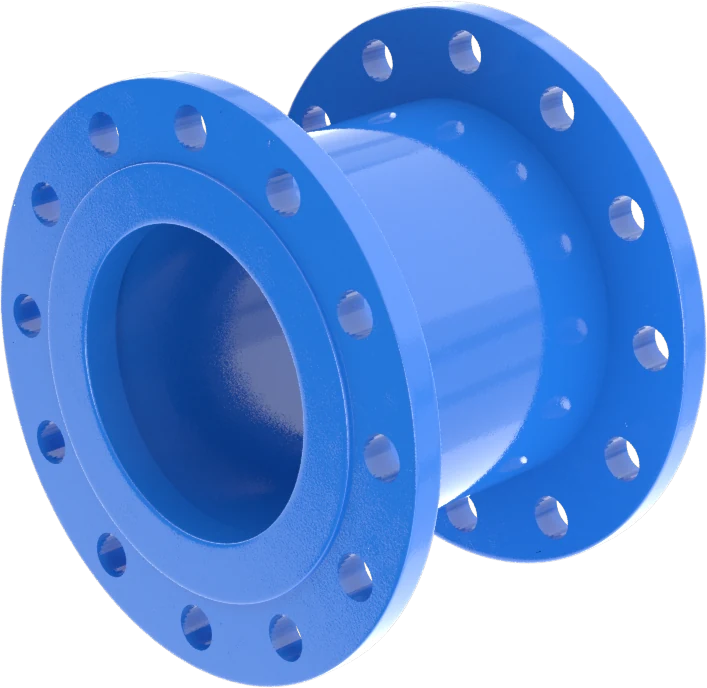
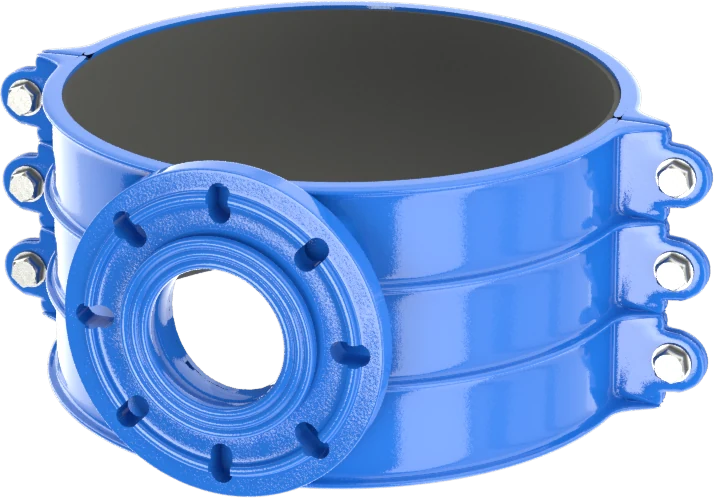
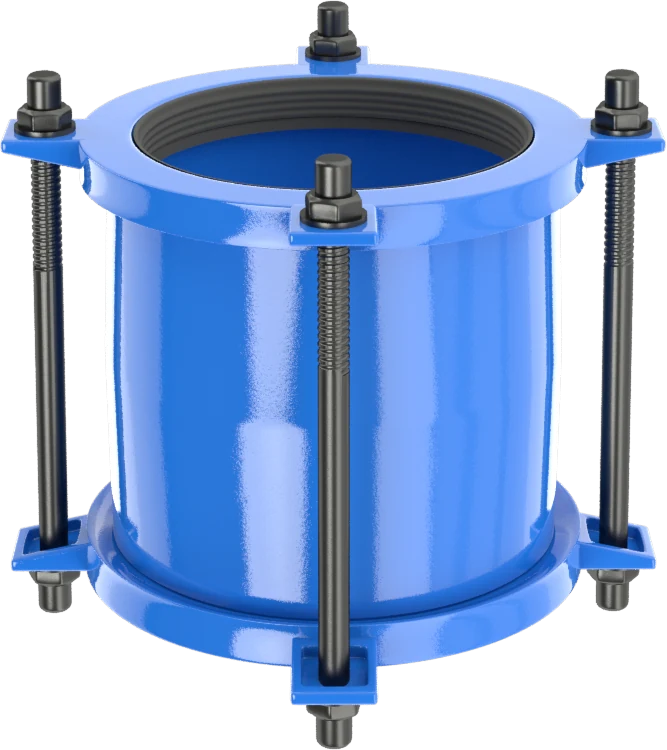
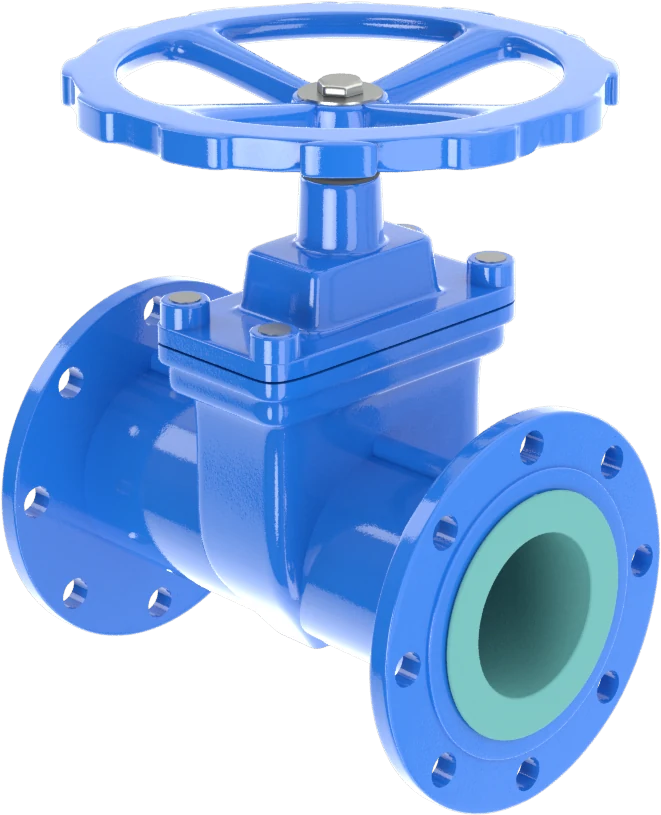
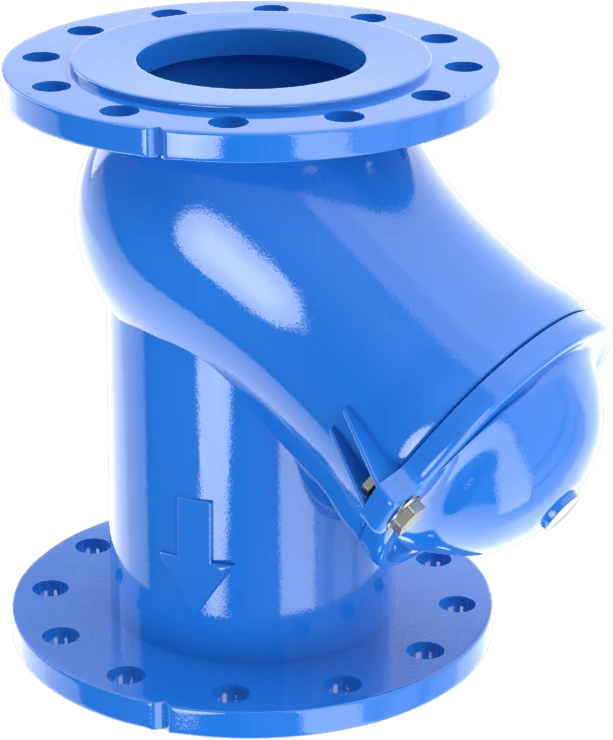
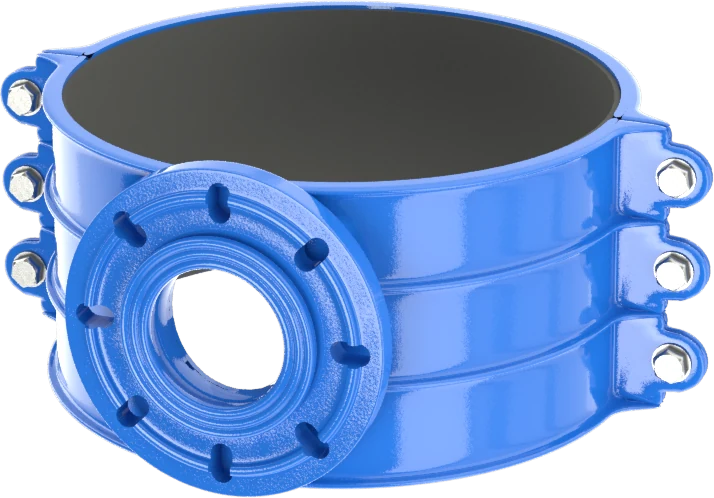
GGG-50 ductile iron is a noble material as far as corrosion is concerned, but what really protects it is the coating. All our valves and fittings have a 250 µm powder epoxy coating applied over a shot-blasted casting and oven-cured, pore-free and with proven adhesion. It is the same coating that drinking water requires and the one that best withstands chlorides. On the flanged fittings and the tapping saddles we pay special attention to edges and bolt holes, which is where corrosion starts.
Rubbers: EPDM, not just any rubber
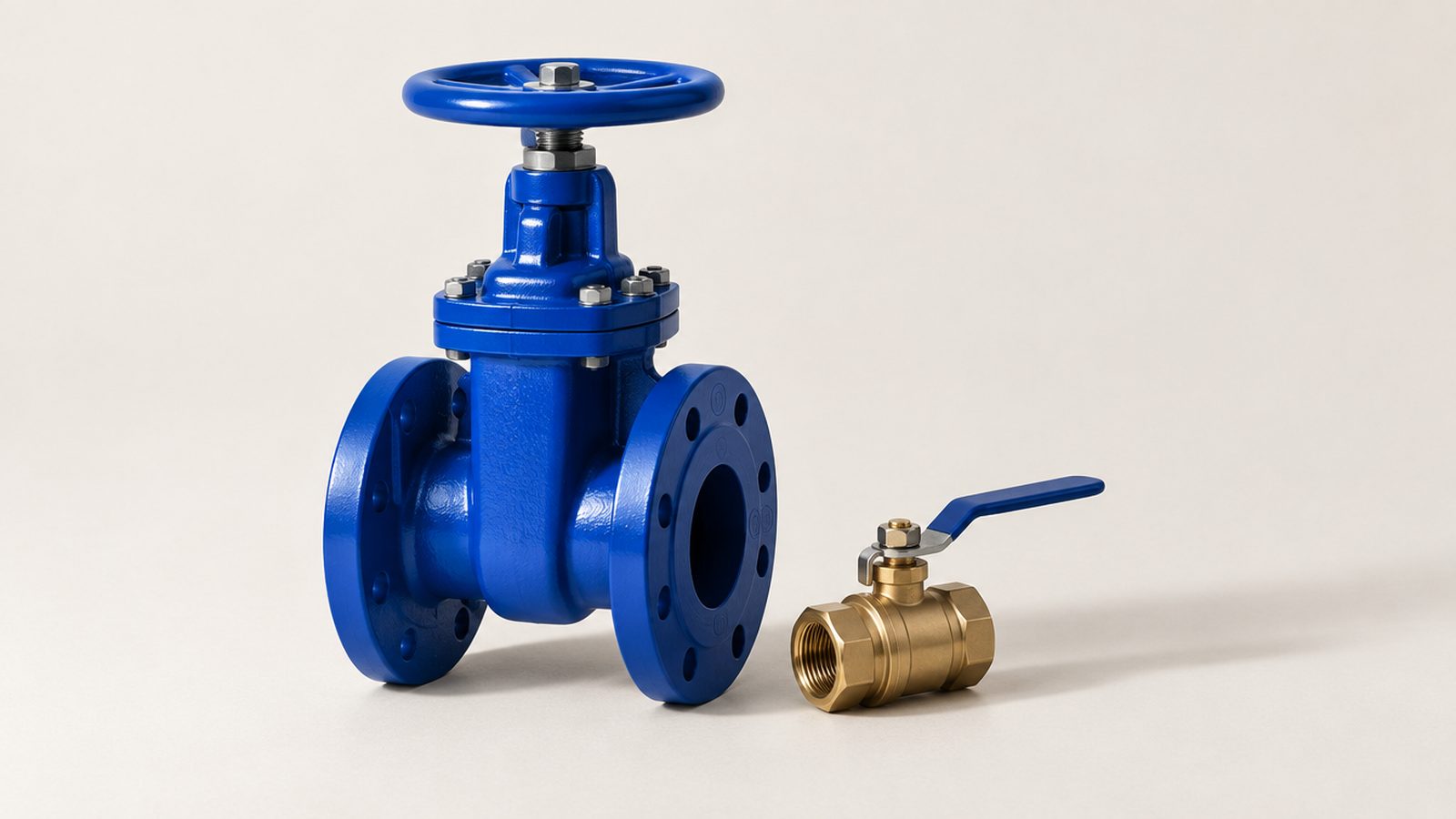
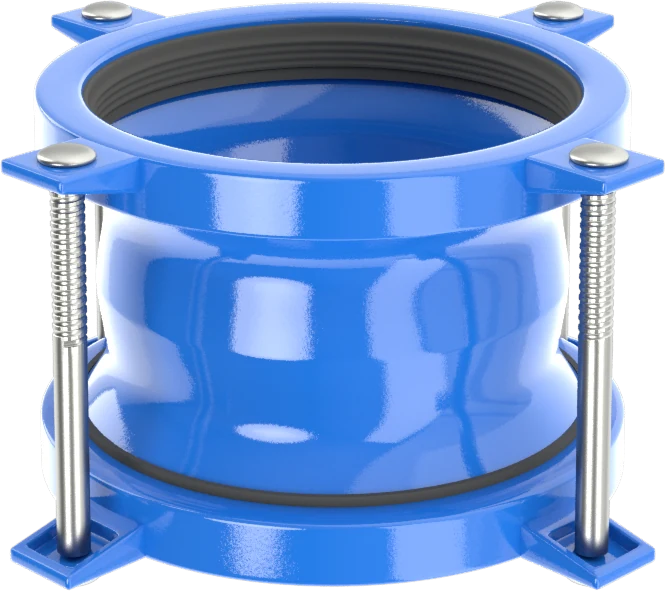
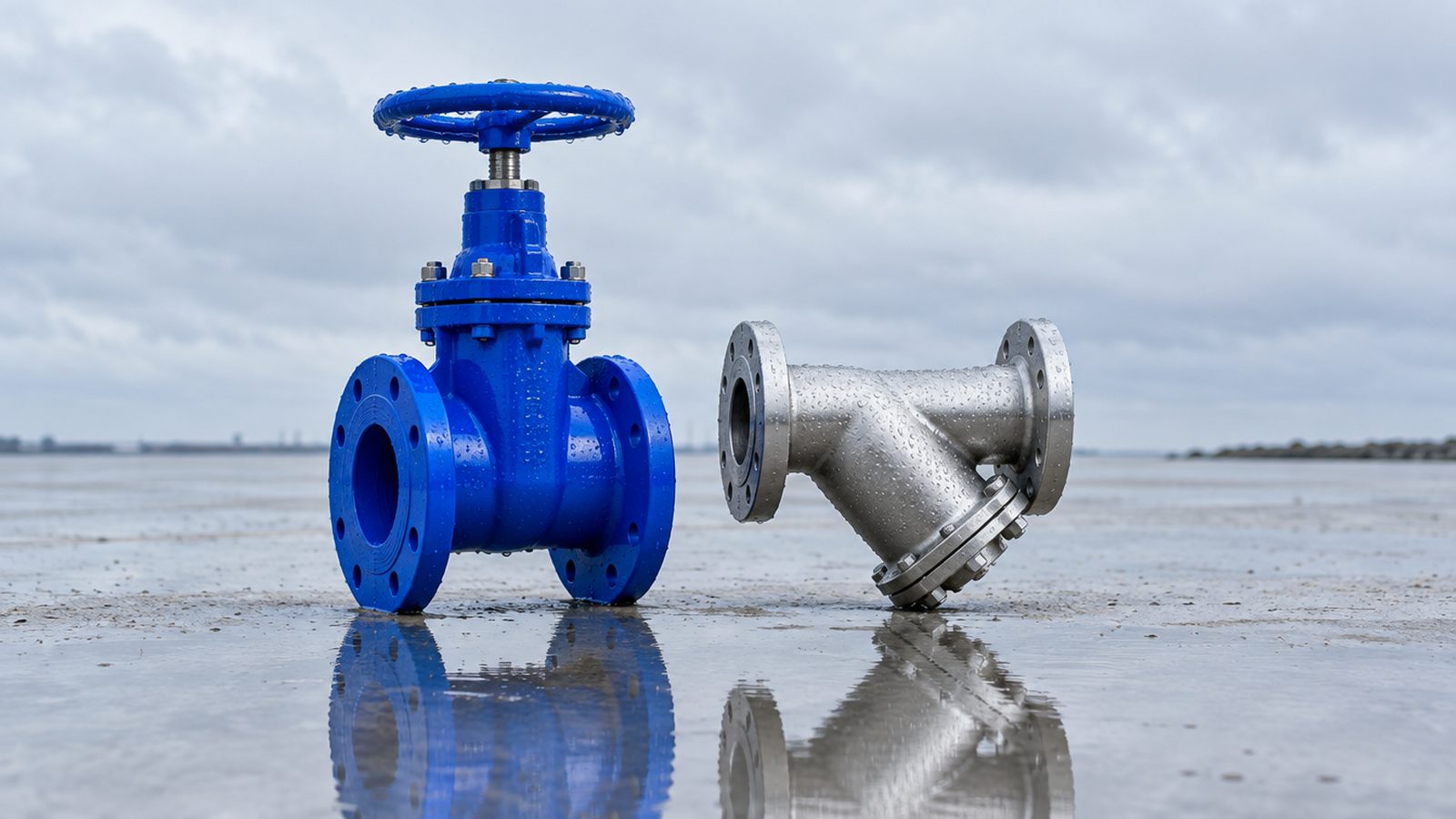
EPDM withstands chlorine and ozone well, which is why it is the rubber of the wedges of our resilient-seated gate valves and of the gaskets of our anti-pull couplings. With water containing traces of oils (some reclaimed industrial water) NBR may be preferable; ask us before ordering.
Stainless steel and bronze where it matters
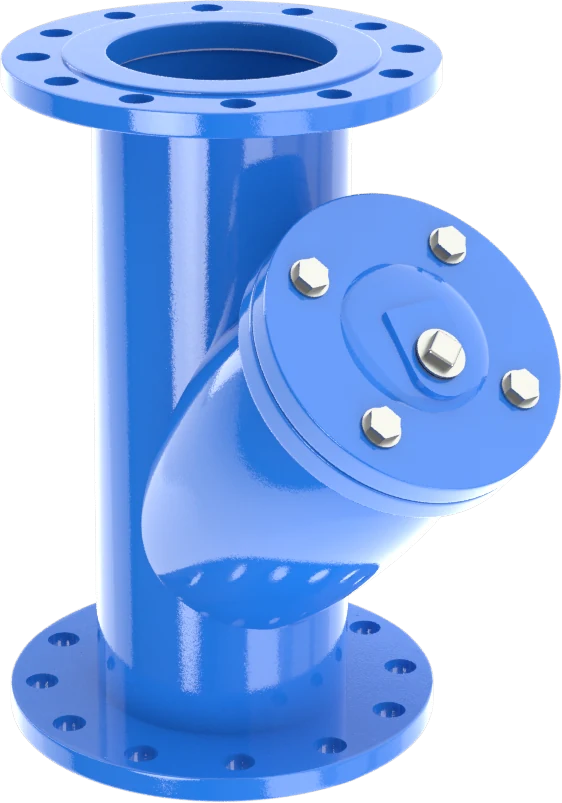
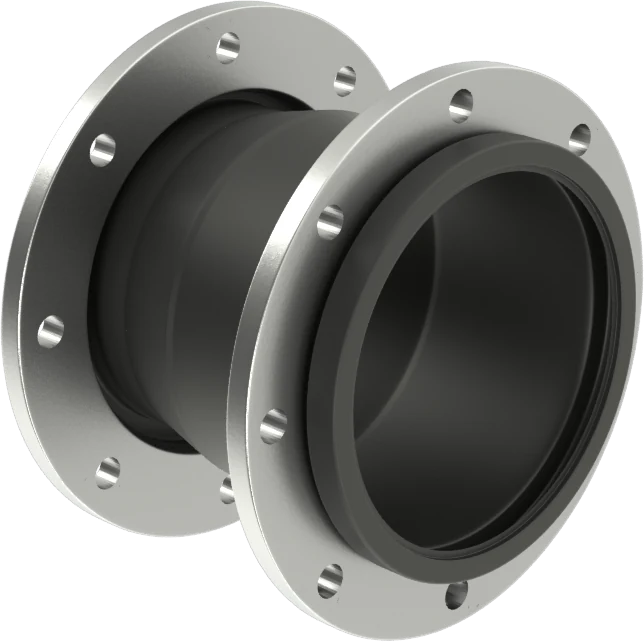
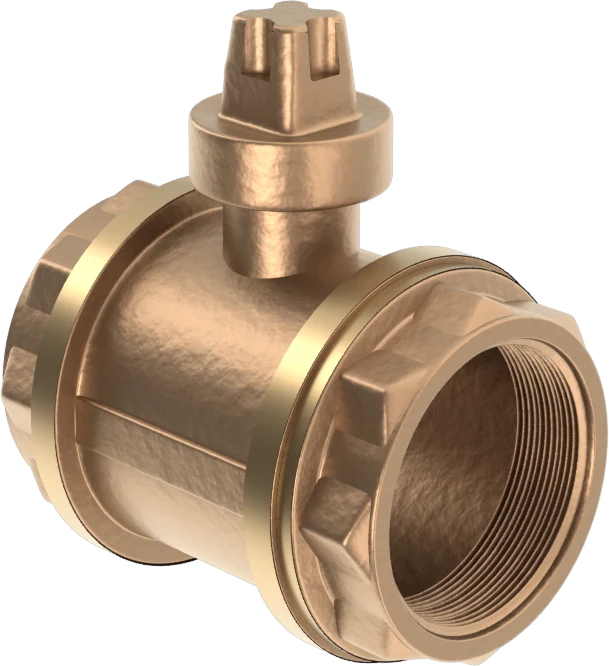
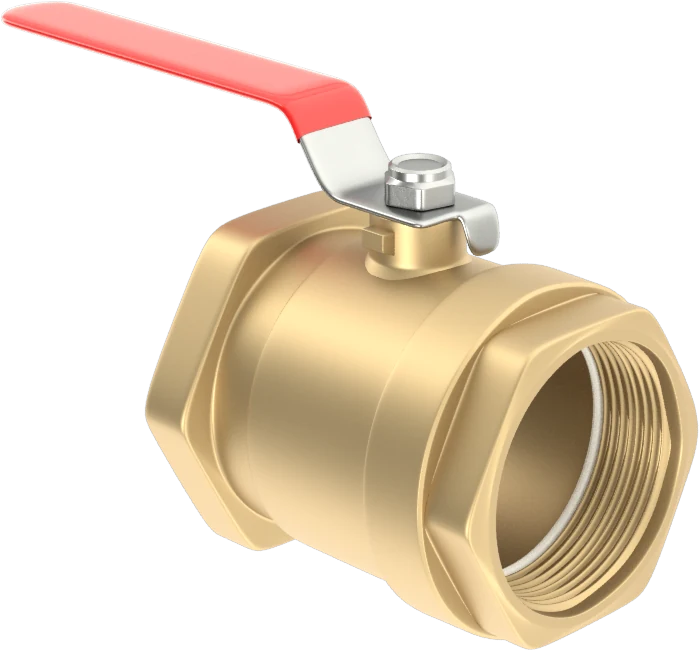
Valve stems, the screens of the Y-strainers and the repair clamps are made of stainless steel. For small valves in permanent contact with desalinated water we recommend bronze ball valves rather than standard brass: bronze withstands the dezincification caused by chlorides better. For the dismantling joints, always stainless steel.
Filtering and flushing
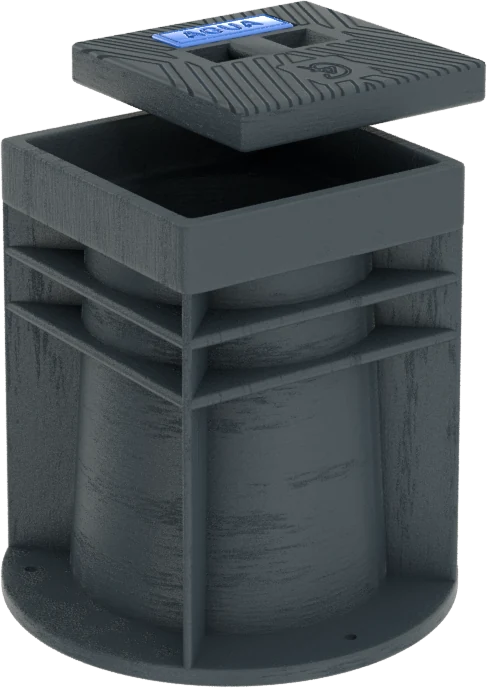
Reclaimed water carries fines that settle at low points. A full-bore gate valve does not trap them, but it is advisable to provide drains in the valve chambers and a Y-strainer ahead of any equipment with small passages. With desalinated water, monitor the pH after remineralisation: below 7 the epoxy holds up, but brass does not.
We talked about this future some years ago in Water will determine our future. Today that future irrigates Murcia, and our parts are made for it.