

GA18 · 4 families · 45 references
Check valves
Ball, dual-plate wafer and swing check valves.
check valves families
Click a family to see its technical data sheet and all its references.
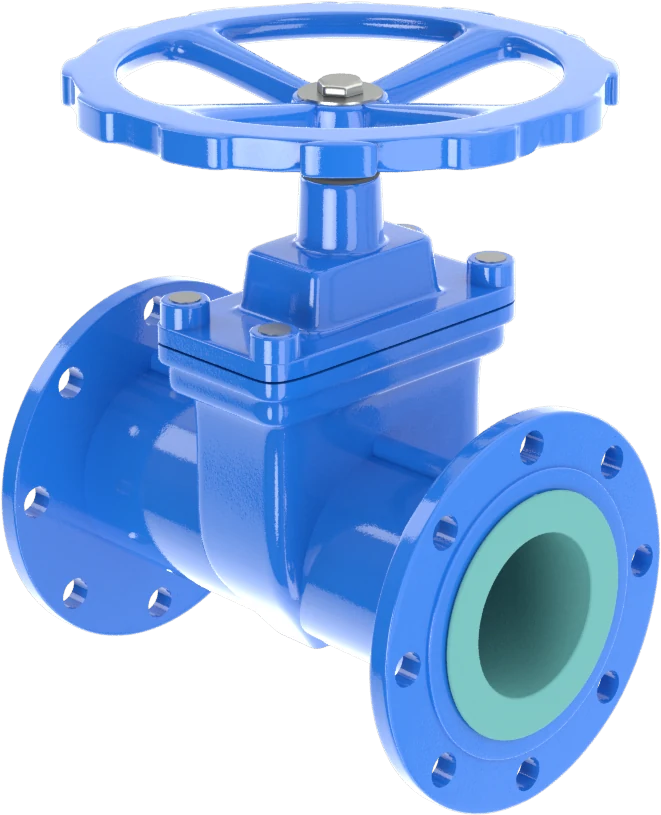
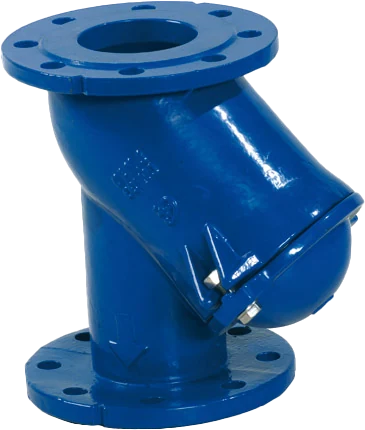
GA18-1Flanged ball check valveBall check valve, of robust ductile iron design. Its floating ball mechanism is self-cleaning and does not jam, offering a full bore with no head l…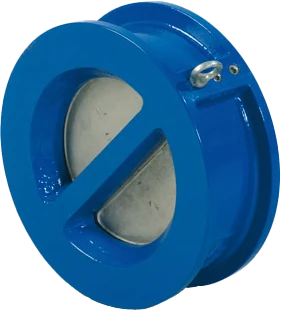 GA18-3Dual-plate wafer check valveWafer-type check valve, of compact, lightweight design for installation between flanges. Its dual-plate mechanism with stainless steel springs ensu…
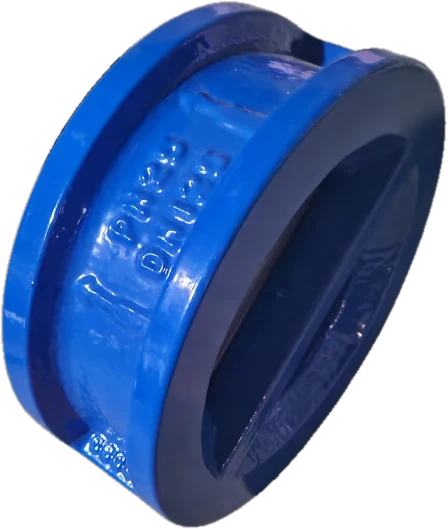 GA18-4Dual-plate check valve PN25High-performance dual-plate check valve, designed for high-pressure systems (PN25). Its GGG-40 ductile iron body and high-quality stainless steel i…
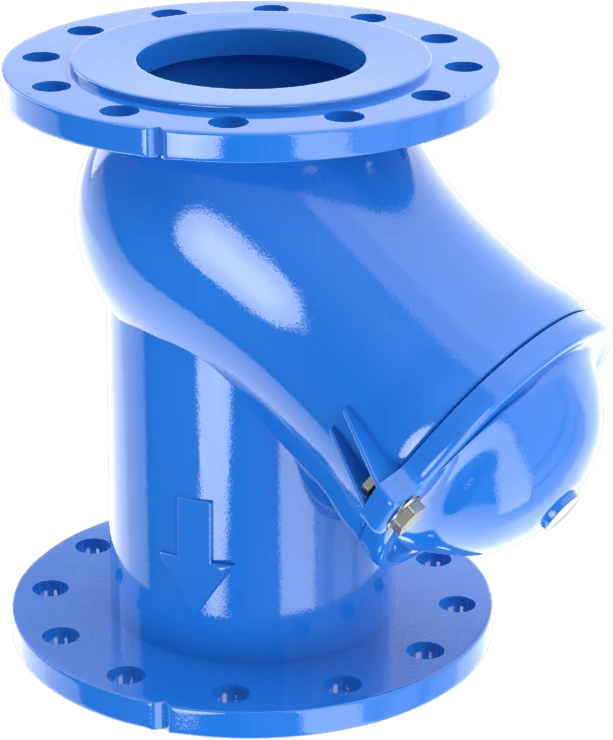 GA18-5Swing check valveSingle-disc swing check valve in stainless steel, wafer format for mounting between flanges from DN 50 to DN 500. Rapid closure and minimal head lo…
Read the full guide
Check valves for irrigation and civil works | Grupo Almagro
At the heart of any efficient water system, check valves are essential components that guarantee one-way flow of the fluid. Known as non-return valves, their function is critical for protecting pumping equipment and ensuring the integrity of pipe networks in sectors as demanding as agricultural irrigation and civil works. At Grupo Almagro, with more than 28 years of experience, we offer valve solutions that guarantee reliability, durability and exceptional performance.
Essential Function: What is a check valve and why is it crucial?
A check valve is a device that acts as a one-way gate for water. It allows free passage in one direction and closes automatically to prevent any reversal of flow. This mechanism is fundamental to the safety and stability of the system.
A check valve failure can have serious consequences: pump damage from reverse rotation, contamination of potable water sources by the return of untreated water and a general loss of efficiency in the installation. Correct selection is a direct investment in the longevity of the water infrastructure.
Key applications in our sectors
We offer solutions optimised for the unique challenges of irrigation and civil works.
Check Valves in Irrigation Systems:
- Pump Protection: They prevent the water column from returning, protecting the pump from cavitation and loss of prime.
- Backflow Prevention in Fertigation: They prevent injected fertilisers from returning to the water source, avoiding its contamination.
- Pressure Management: They maintain pressurisation in irrigation sectors, ensuring a faster, more uniform start-up.
Check valves in civil works and water supply:
- Potable Water Networks: They guarantee that treated water does not return or mix with possible sources of contamination.
- Wastewater Pumping Stations: They allow the passage of fluids with a high solids load and prevent return to the wells.
- Rising Mains: They protect large pumping equipment and pipelines from the devastating effects of water hammer.
Guide to Selecting your ideal check valve
The correct choice depends on the fluid, the pressure, the flow rate and the mounting position.
- Swing Check Valve: Uses a disc that pivots to open with the flow and closes by gravity. It is ideal for large flows with minimal head loss and is recommended for horizontal installation.
- Spring Check Valve: Incorporates a spring that holds the obturator closed. Its rapid closure helps mitigate water hammer and its great advantage is versatility, as it can be installed in any orientation: horizontal, vertical or inclined.
- Ball Check Valve: Uses a sphere that blocks backflow. Its self-cleaning design is especially effective for fluids with suspended solids, such as wastewater.
Material selection is also key. We offer valves in PVC (high chemical resistance), Brass (durability for potable water) and Ductile Iron (maximum robustness for civil works and large diameters).
Avoiding water hammer
Water hammer is an overpressure that occurs when the fluid stops suddenly, and it can burst pipes and damage equipment. The correct selection and location of a check valve is the main defence. A rapid-closing valve, such as the spring type, installed downstream of the pump, prevents reversal of the water column, mitigating the main cause of this phenomenon.
The Grupo Almagro guarantee: Certified quality and experience
Choosing Grupo Almagro means opting for peace of mind. Our track record since 1997 and our commitment to the highest quality standards speak for us. We operate under the UNE-EN-ISO 9001:2015 quality and UNE-EN-ISO 14001:2015 environmental management certifications, guaranteeing the reliability of every product and respect for the environment.
Explore our catalogue or contact our specialists for personalised advice.
Frequently Asked Questions (FAQ)
Can I install a check valve in a vertical position? Yes, spring and ball models are designed to work in any position. Swing check valves generally require horizontal installation.
Which valve do I need for a submersible pump? A spring or ball check valve is recommended. They ensure rapid closure that protects the pump against reverse rotation and water hammer.
How do I know if my check valve is failing? Symptoms include short-cycling of the pump (constantly starting and stopping), loss of pressure in the network or water flowing in the wrong direction.
What is the difference between a check valve and a foot valve? A foot valve is a check valve that incorporates a strainer at its inlet. It is installed at the start of the suction pipe to prevent water returning and debris entering.
From the blog: guides on this family
More news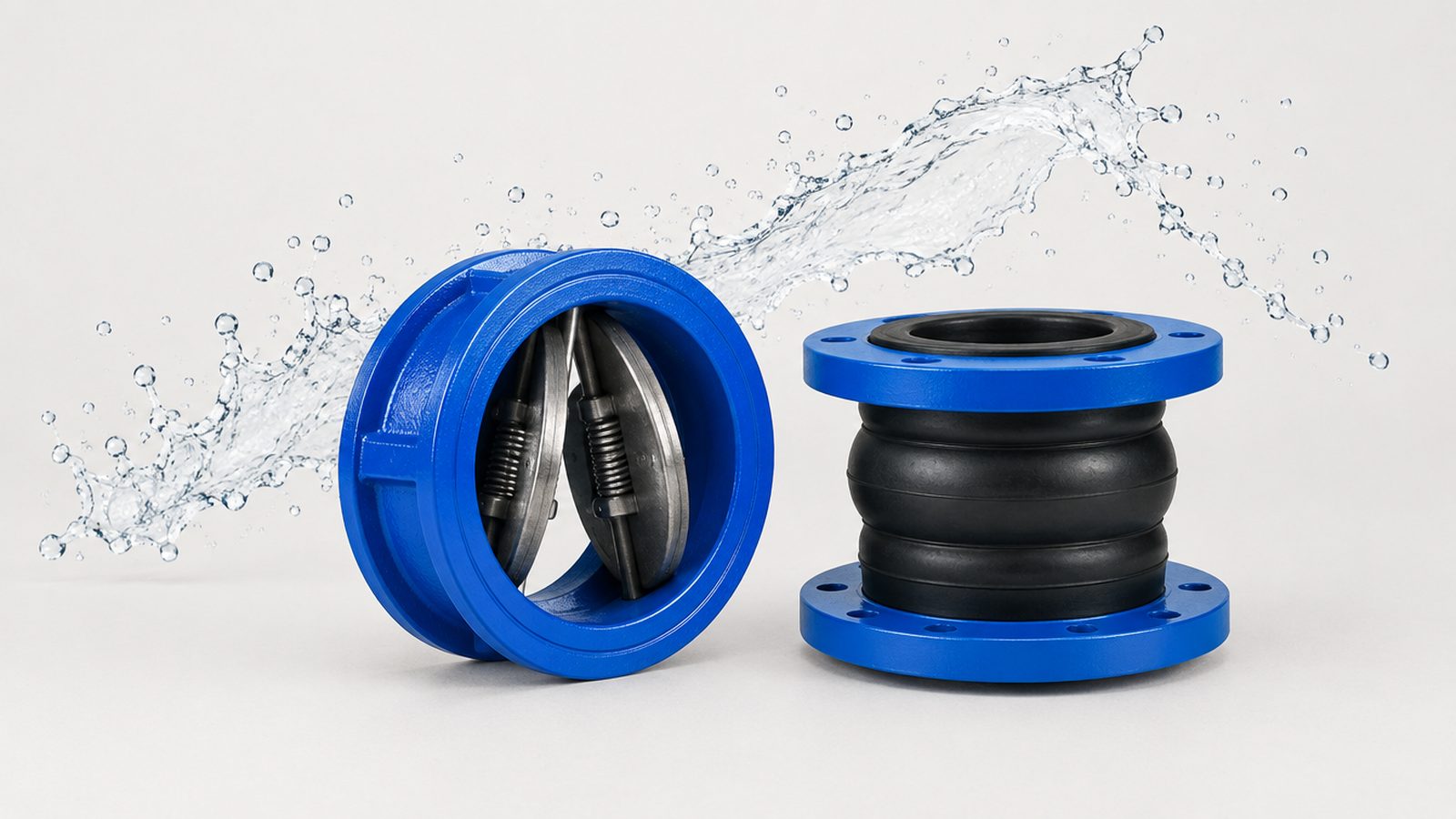 23 June 2026Water hammer in irrigation networks: how to prevent it with check valves and rubber expansion jointsEvery pump stop is a hammer blow on the pipeline. Which check valve stops the water column best, where the rubber expansion joint goes and which design mistakes we see most often in control heads.
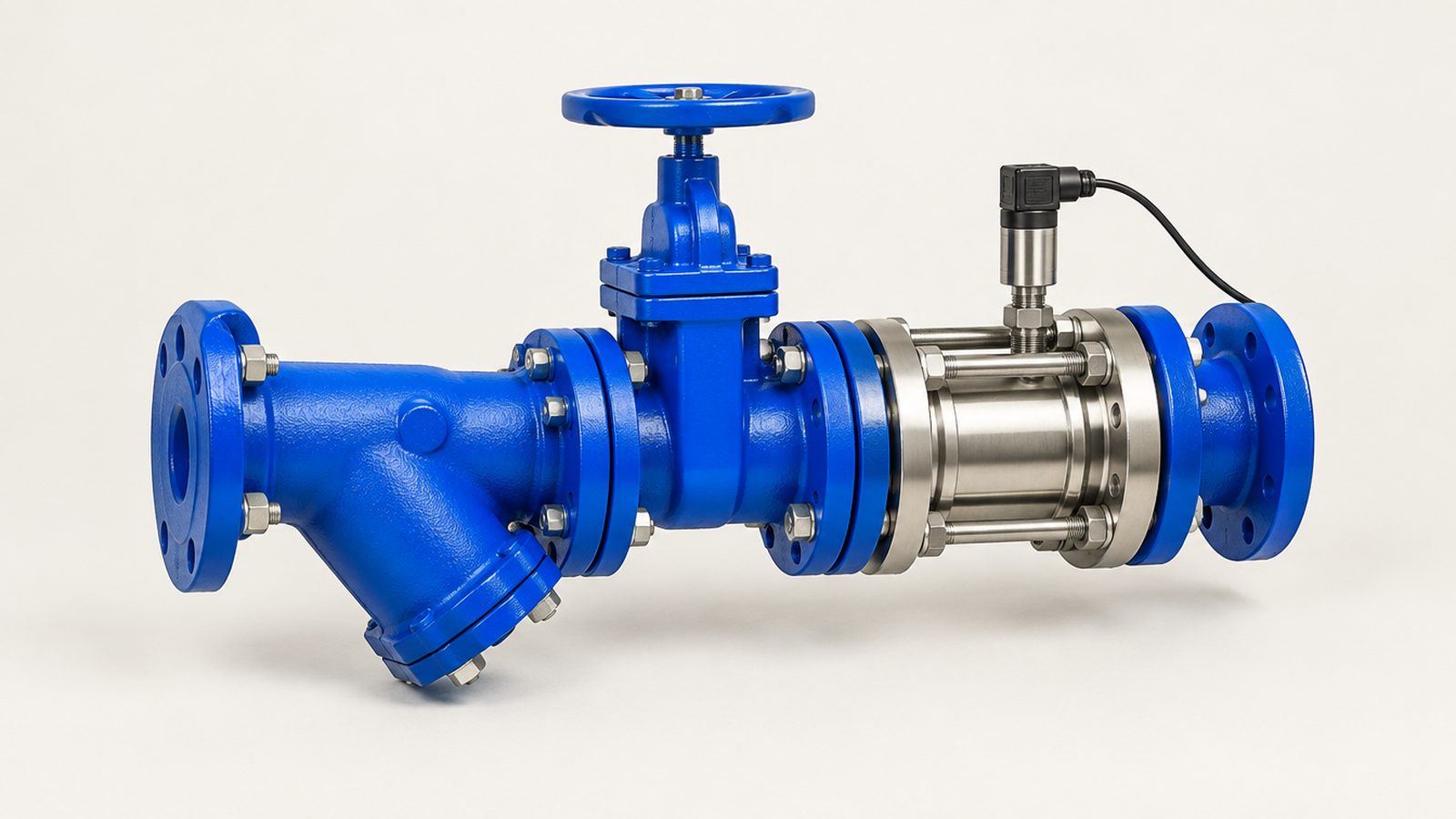 12 May 2026Digitalisation of irrigation communities: which hydraulic parts a remote-controlled control head needsThe PERTE for digitalisation of the water cycle has funded hundreds of remote-control projects in irrigated areas. Sensors and solenoid valves are the visible part; underneath, you need hydraulics that do not fail.
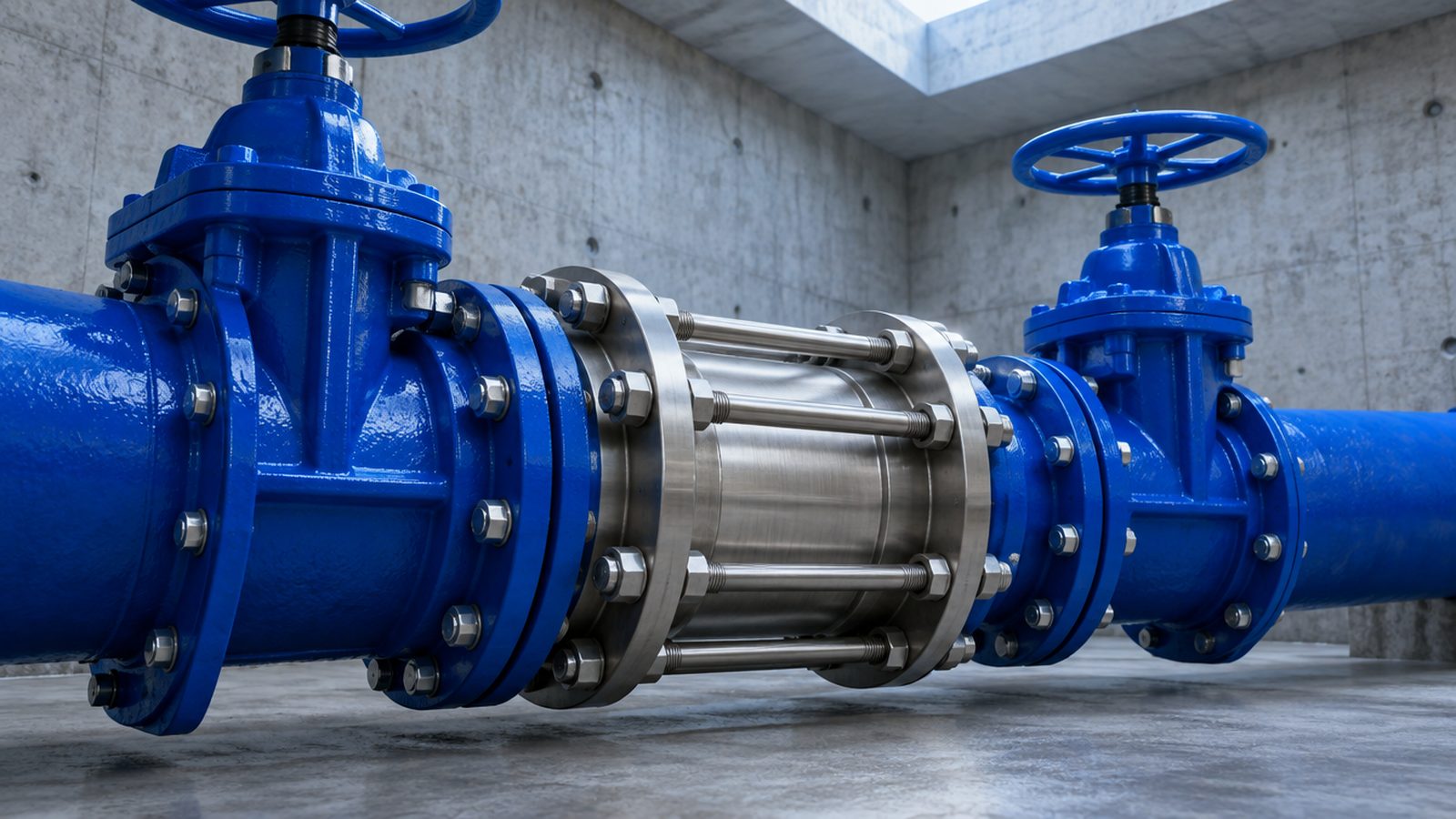 9 December 2025Dismantling joints: what they are for and how to size them in a valve chamberIt is the part nobody sees until a valve has to be replaced. What a dismantling joint is, where it goes, how the length is chosen and why we manufacture it in stainless steel.