
9 December 2025 · dismantling joints · valve chambers
Dismantling joints: what they are for and how to size them in a valve chamber
It is the part nobody sees until a valve has to be replaced. What a dismantling joint is, where it goes, how the length is chosen and why we manufacture it in stainless steel.
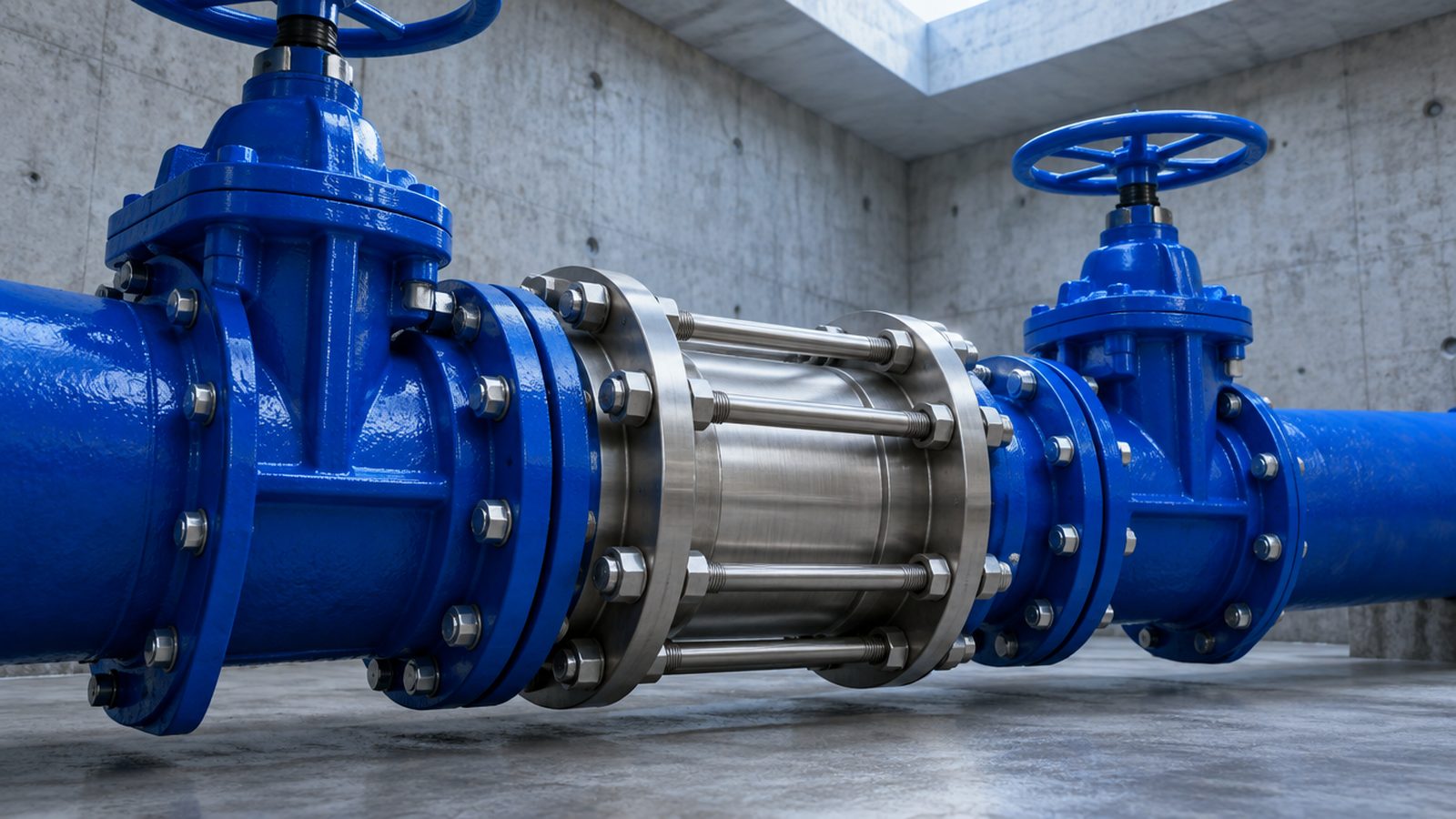
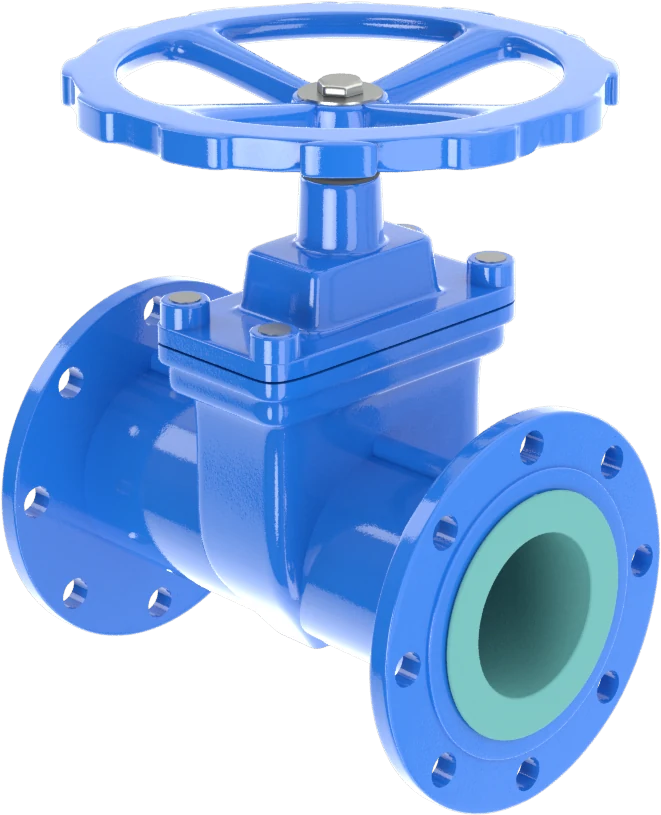
Imagine a valve chamber with a flanged gate valve between two sections of buried pipe. Ten years later it has to be replaced. You loosen the flanges and… the valve will not come out, because the pipes cannot be moved apart by a single millimetre. That is the problem the dismantling joint solves, and that is why we regard it as a design item, not an optional accessory.
What it is
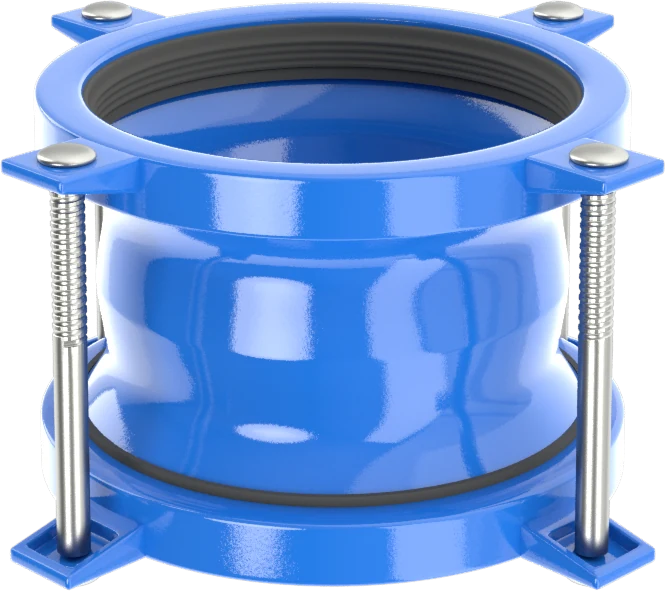
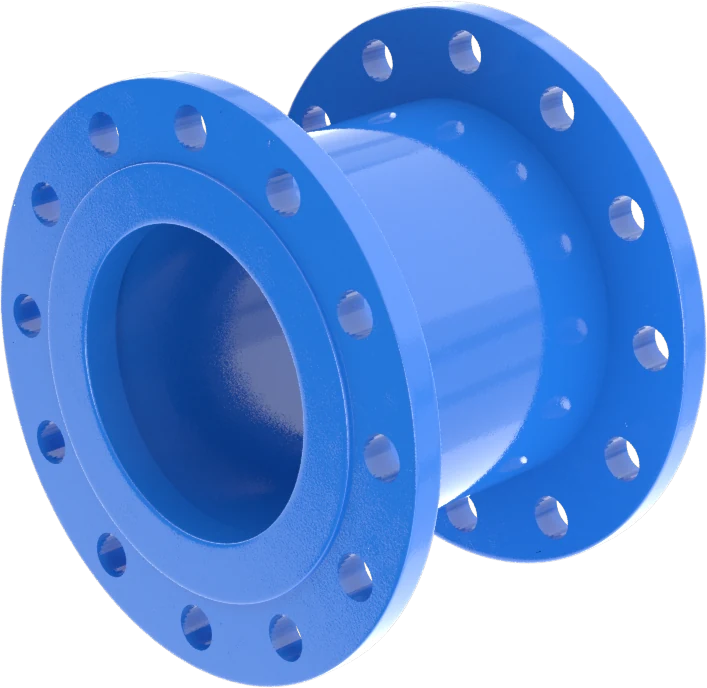
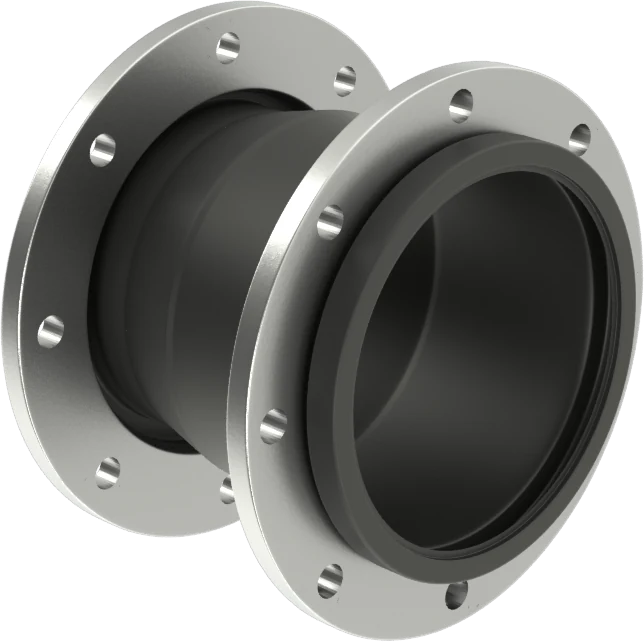
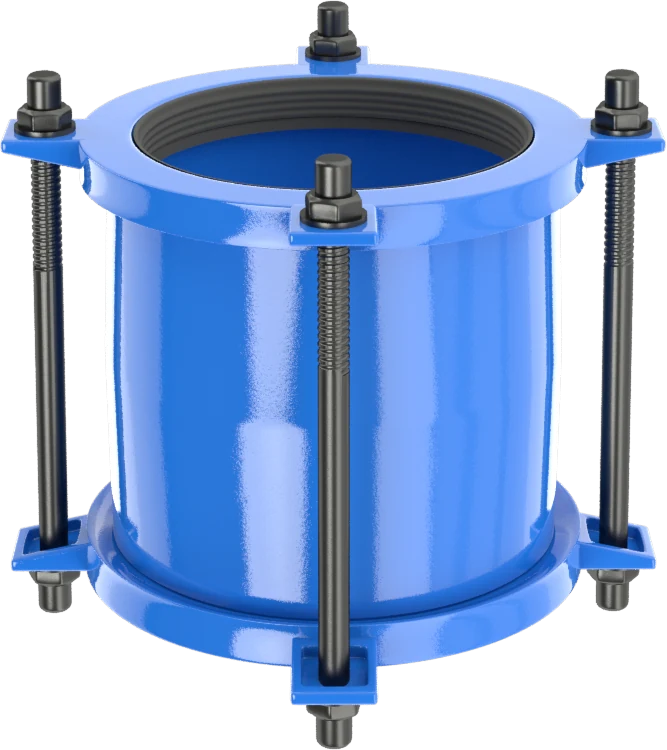
A dismantling joint is a telescopic flanged section: two bodies that slide one inside the other with a sealing gasket, and tie rods that fix the length once installed. When the tie rods are loosened, the joint shortens by several centimetres and frees up the space needed to remove the valve, meter or check valve next to it. On reassembly, it also takes up the length tolerances of the installation.
Where it goes
- In sectorising valve chambers, next to every flanged gate valve.
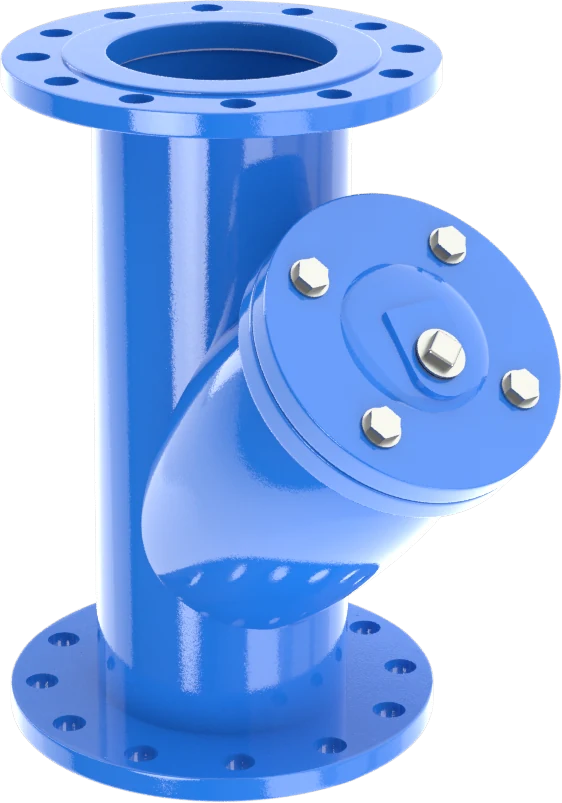
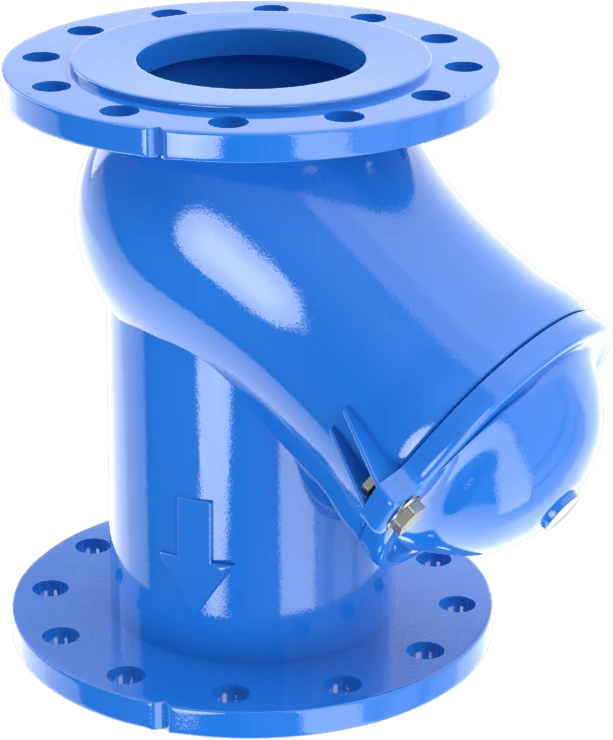
- In pumping control heads, next to the check valve and the Y-strainer, which are the pieces of equipment that are opened most often.
- At meters and flow meters, which are removed for verification.
As a rule, one dismantling joint for every flanged piece of equipment that may have to come out. In an irrigation control head that means two or three parts that cost less than an afternoon of cutting and welding.
How to choose it
- DN: that of the valve, without exception. A DN 80 dismantling joint for a DN 80 gate valve.
- PN: that of the network. We manufacture PN 10 and PN 16 across the whole range and quote PN 25 to order for pumping mains.
- Length: the installation length is tabulated by DN in the datasheet; the dismantling travel is usually 20 to 50 mm depending on the diameter.
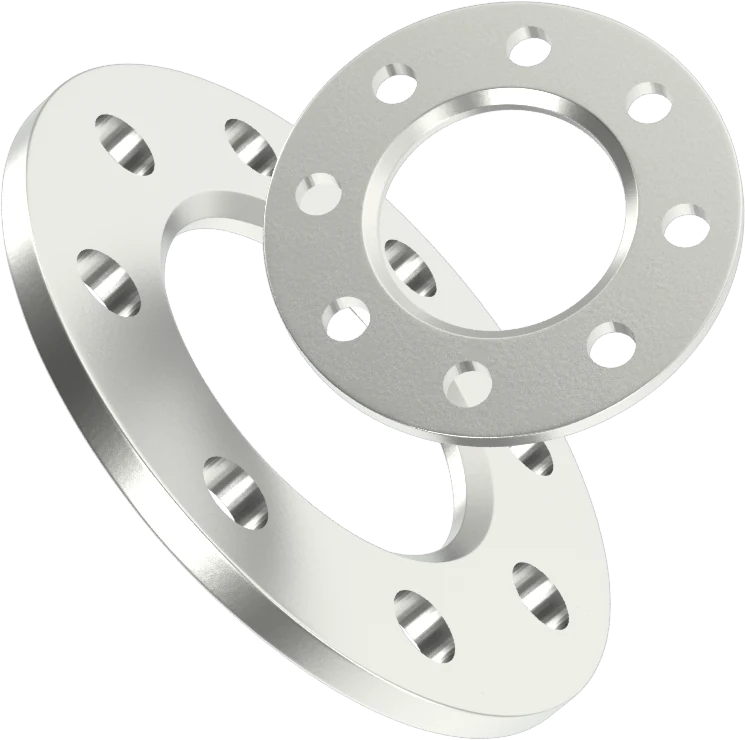
- Drilling: EN 1092-1, the same as on our valves and flanged fittings.
Why stainless steel
A dismantling joint sits in the valve chamber, often with water at the bottom, and its tie rods and nuts work in tension. We manufacture them entirely in stainless steel so that ten years on the tie rods still turn and the joint still shortens. A painted carbon steel dismantling joint usually ends up as the very problem it was meant to solve.
A common case
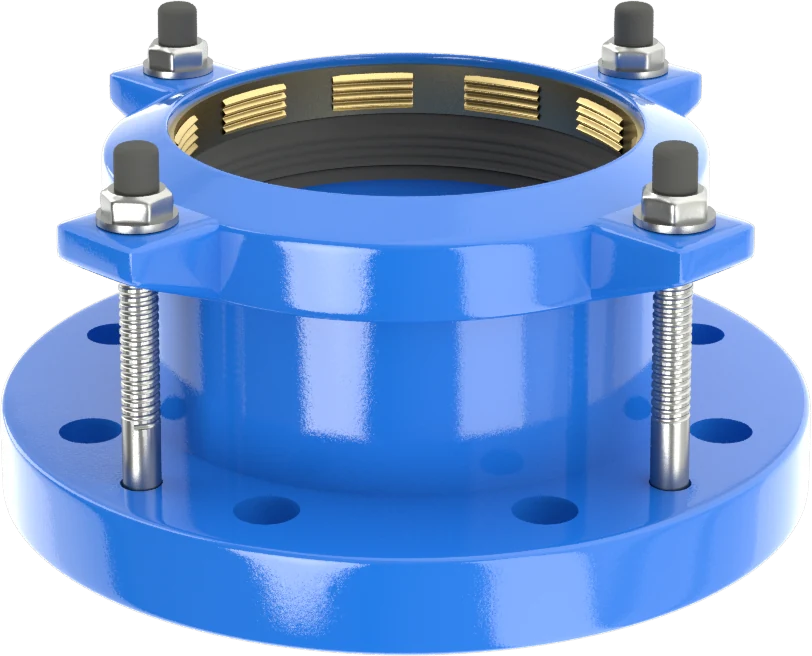
A customer with an old valve chamber and a valve already installed without a dismantling joint. The solution without construction work: replace the section of pipe downstream with a dismantling joint of the exact length, connecting it to the PVC with an anti-pull flange adaptor that does away with the thrust block. We cover this in more detail in Water hammer in irrigation networks, where the dismantling joint is the third most common design mistake.
All sizes from DN 50 to DN 300 are in stock. If your valve chamber has an unusual dimension, tell us the length available and we will find the combination.