
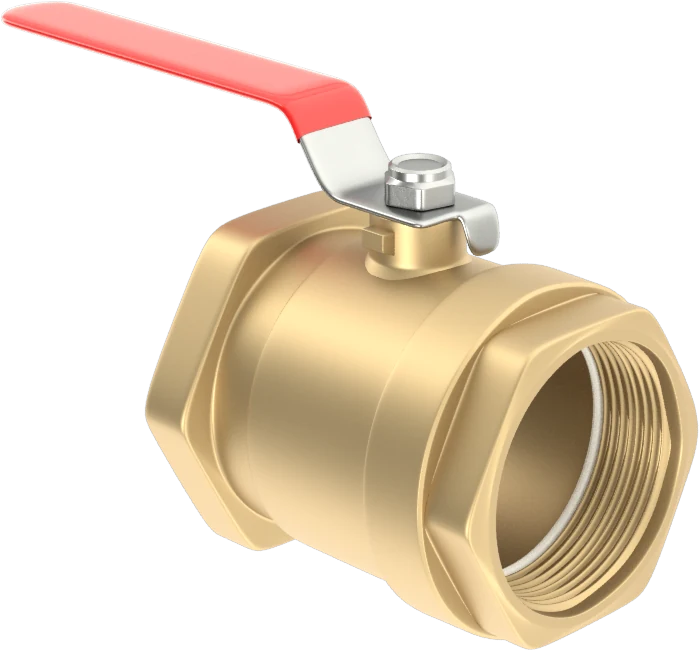
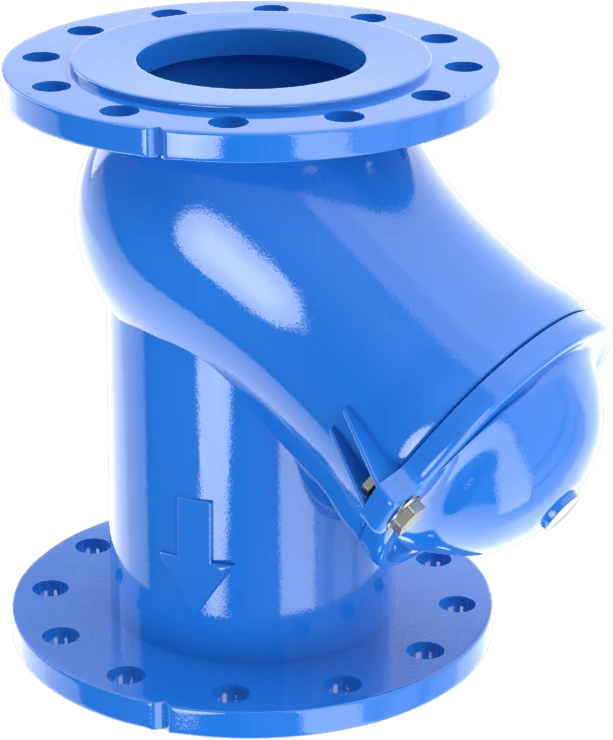
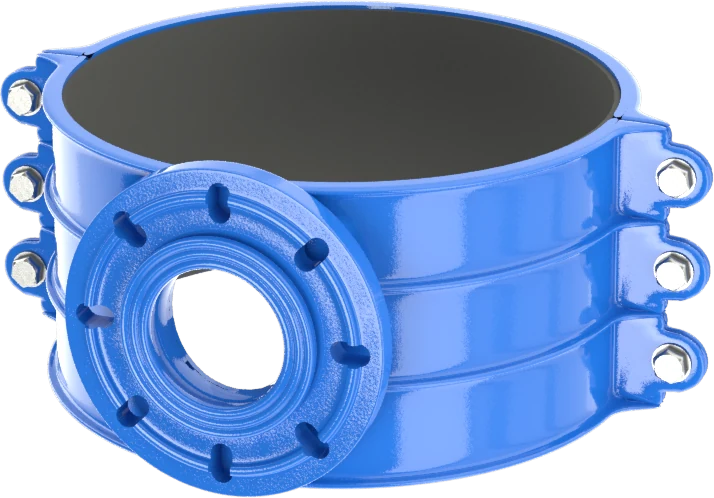
GA16 · 2 families · 12 references
Bronze valves
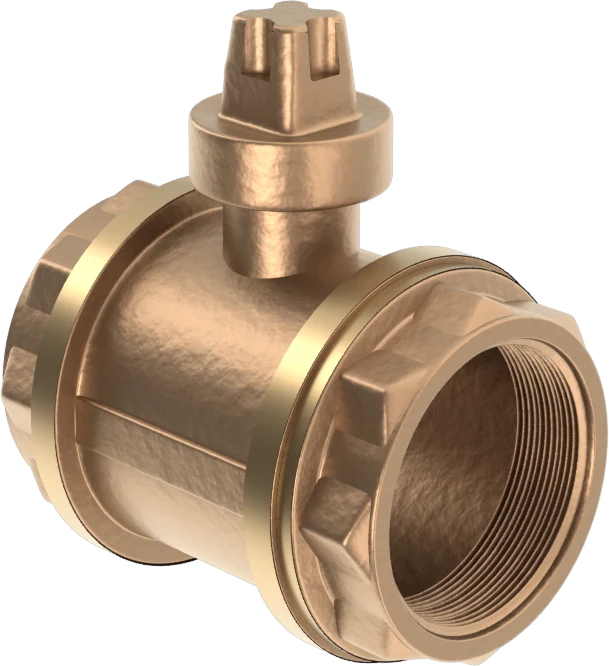
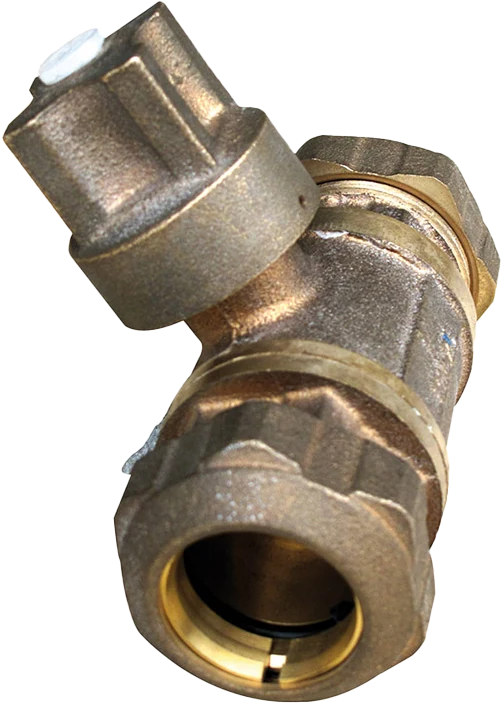
Bronze ball valves with PE compression end or threaded.
bronze valves families
Click a family to see its technical data sheet and all its references.
GA16-1Bronze ball valve with PE compression endBronze ball valve with square cap operation and compression socket connection for polyethylene pipe from Ø20 to Ø63. PTFE seats and brass ball for…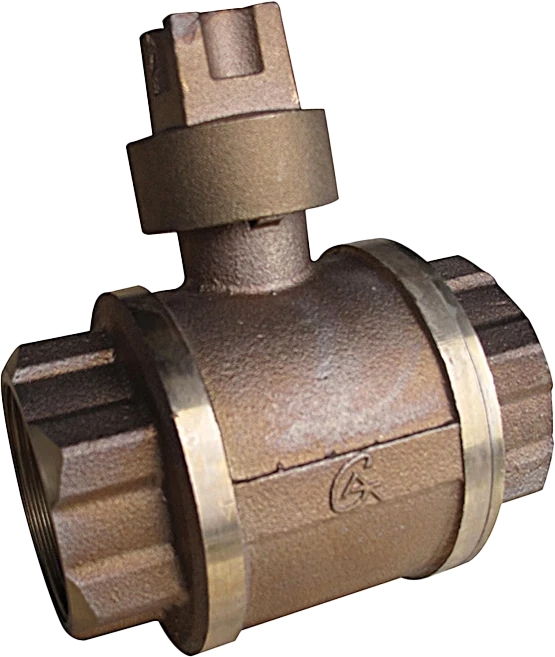 GA16-2Threaded bronze ball valveBronze ball valve with square cap operation and threaded ends from 1/2" to 2". Corrosion-resistant bronze body, MS-58 brass ball and PTFE seats for…
Read the full guide
Bronze valves and fittings: Guaranteed quality and durability
Since 1997, Grupo Almagro Mur has been a leading manufacturer of fluid conveyance solutions. Our range of bronze valves and fittings is designed for exceptional performance and durability in the most demanding applications, with the quality guarantee of our ISO 9001 and 14001 certifications.
Explore our catalogue of bronze products
- Bronze Valves: Discover our selection of gate, ball, globe and check valves, designed for precise, reliable fluid control.
- Bronze Fittings and Adaptors: Find the perfect connection with our wide range of elbows, tees, unions, sleeves and threaded connectors.
Advantages of bronze in professional applications
The choice of bronze is key to the safety and efficiency of any water installation. This copper-tin alloy offers an unrivalled combination of properties:
- Superior Corrosion Resistance: It has exceptional resistance to oxidation, even in damp or saline environments, guaranteeing the integrity of the installation and making it ideal for potable water networks.
- Durability and Robustness: Its components withstand wear, abrasion and high pressures, which translates into a long service life and lower maintenance costs.
- Versatility and Hermetic Sealing: They are suitable for a wide variety of fluids (water, steam, gas, air, oils) and their high-precision manufacture ensures watertight joints that minimise the risk of leaks.
Solutions by application sector
We offer solutions optimised for the specific needs of each sector.
- Agricultural Irrigation and Landscaping: Our components withstand outdoor conditions (sun, moisture, fertilisers), guaranteeing precise flow control in drip or sprinkler irrigation systems.
- Civil Works and Water Supply: They comply with the strictest regulations for drinking water. Their longevity and strength make them ideal for service connections, distribution networks and professional plumbing.
- Industrial and Gas Installations: They offer safe control in compressed air lines, heating systems and gas installations. Their robust construction ensures exceptional performance under high pressures.
Guaranteed Quality: The Grupo Almagro Mur commitment
As manufacturers, we control every phase of the production process, from the selection of bronze alloys to precision machining. Our ISO 9001:2015 and ISO 14001:2015 certifications are not just a stamp; they are the guarantee that you are acquiring a product of consistent quality, fully traceable and manufactured with strict respect for the environment. This commitment has allowed us to be pioneers in the sector for more than 25 years.
Frequently Asked Questions (FAQ)
- What is the difference between bronze and brass? Although both are copper alloys, bronze (copper-tin) offers greater corrosion resistance, especially in saline or chlorinated water. Brass (copper-zinc) is very common, but bronze is superior for applications demanding maximum durability.
- Which type of bronze valve is best for regulating flow? For precise flow regulation, the globe valve is the most suitable. Ball and gate valves are designed to operate fully open or closed (on/off service) and are not recommended for regulation.
- How are bronze fittings maintained? Bronze requires minimal maintenance. Periodic inspection of the seal at the joints is recommended and, in the case of valves, operating them from time to time to prevent them seizing through lack of use.
- What does the PN16 pressure rating on a valve mean? PN stands for “Nominal Pressure”. It indicates the maximum working pressure a component can withstand at ambient temperature, in bar. A PN16 valve is designed to operate safely at up to 16 bar pressure.
- Are your bronze fittings suitable for potable water installations? Yes. We manufacture our products with bronze alloys that comply with the regulations for contact with drinking water, guaranteeing that water quality is not altered.
From the blog: guides on this family
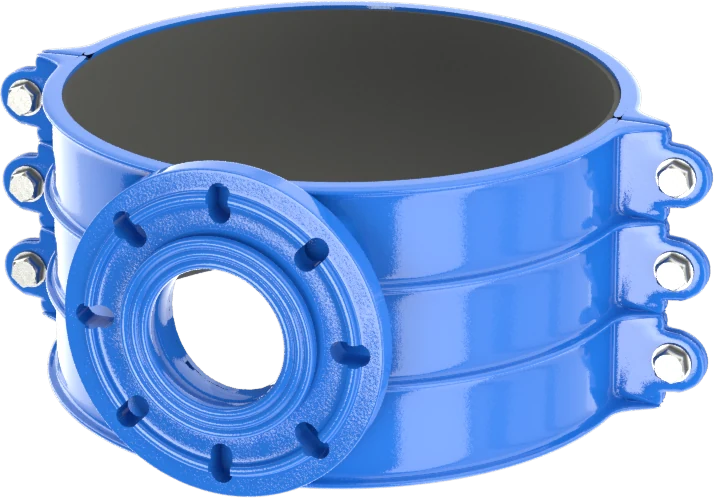
More news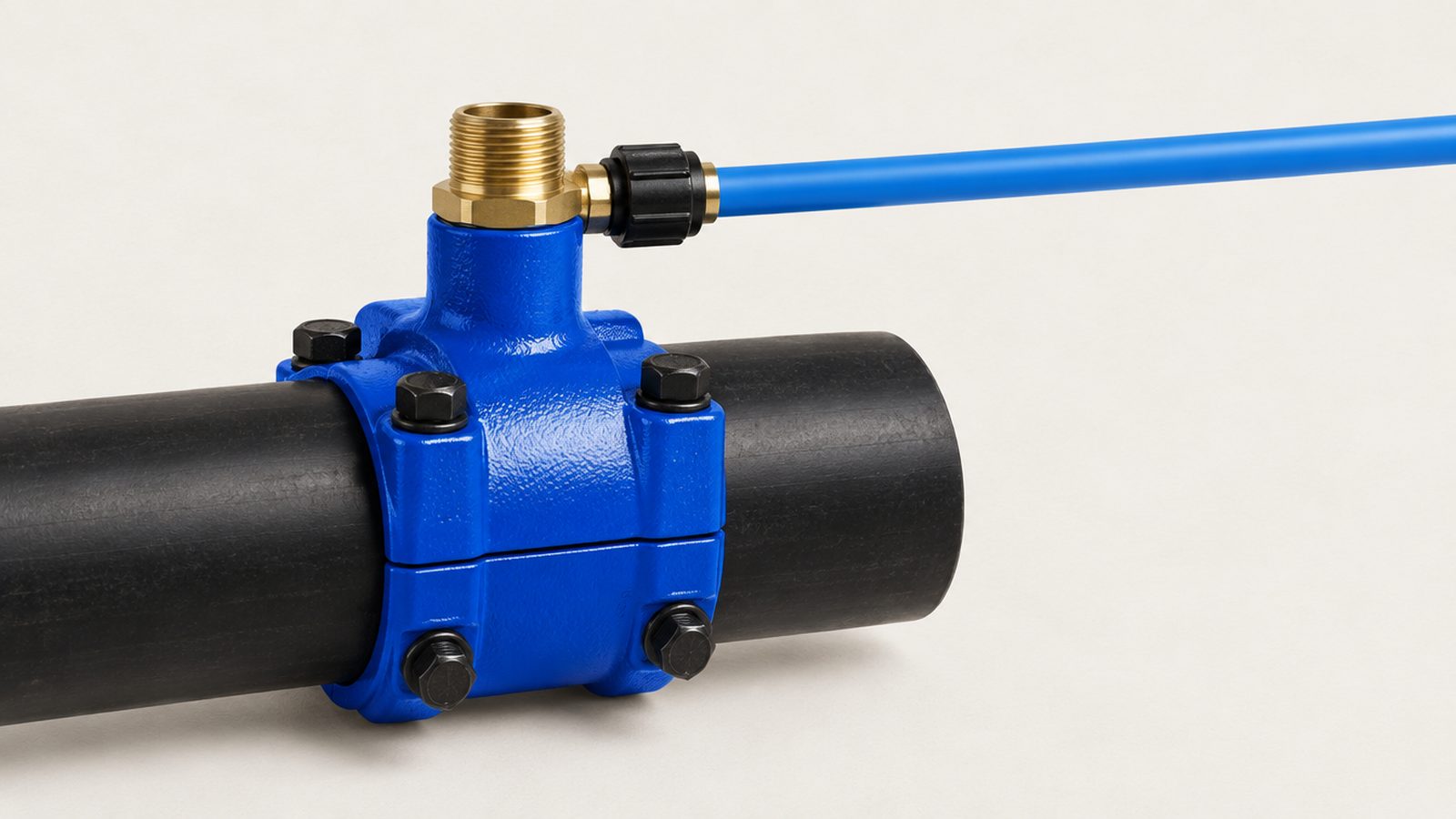 17 February 2026Tapping saddles for PVC and PE: how to make a service connection without draining the networkDuctile iron or stainless steel band, threaded or flanged outlet: which tapping saddle to use to branch off a live pipeline, and how to drill without damaging the pipe.
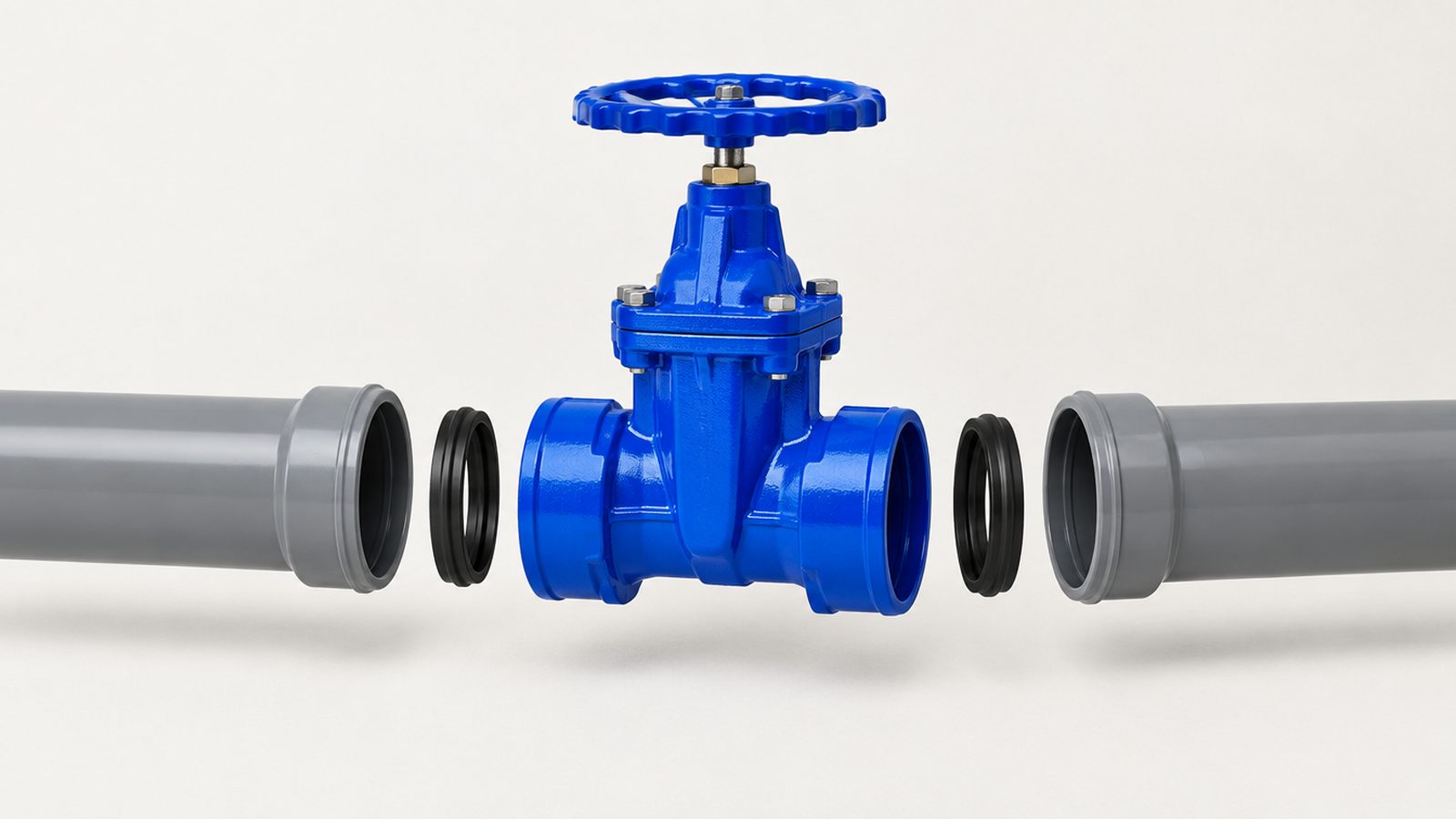 14 October 2025Gate valve with push-fit socket for PVC: when it saves flanges, stub flanges and time in irrigation networksA gate valve that is fitted directly onto the PVC pipe, with no flanges or stub flanges. How the gasketed socket works, in which diameters we manufacture it and when the flanged valve is still the better choice.
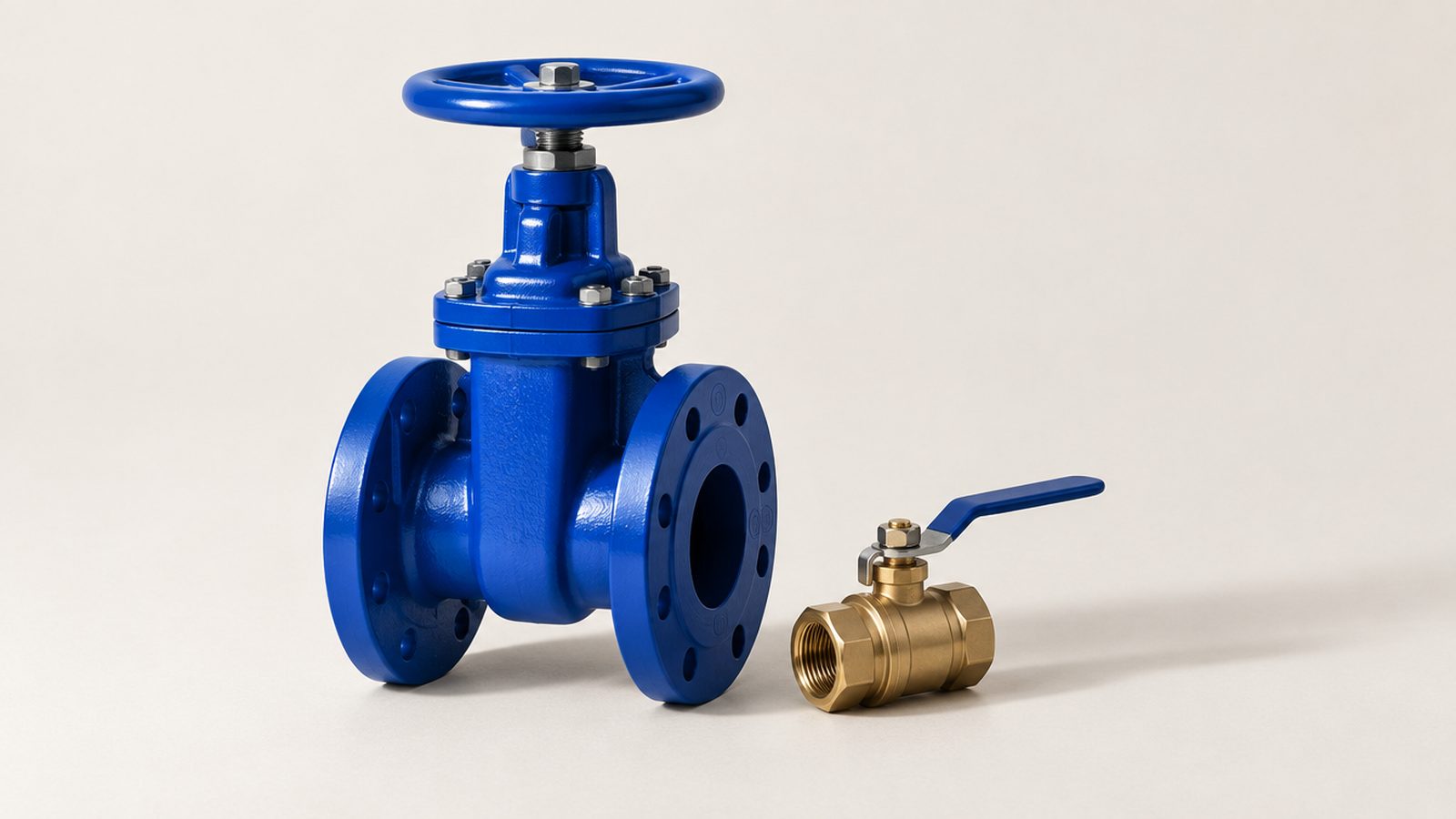 4 September 2026Valve manufacturers and the European marking for drinking water: what changes on 31 December 2026Directive 2020/2184 and Royal Decree 3/2023 bring a single European framework for materials in contact with drinking water. What it requires of cast iron and brass valves, and how we are tackling it in Molina de Segura.