
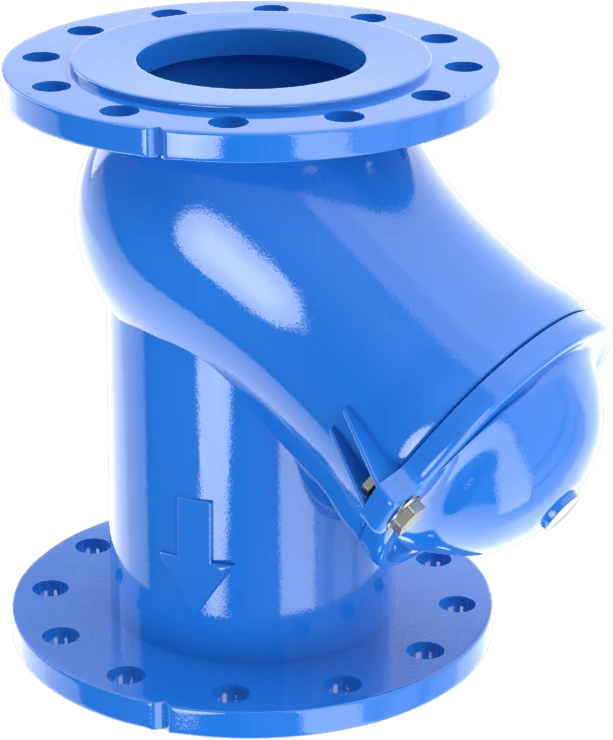
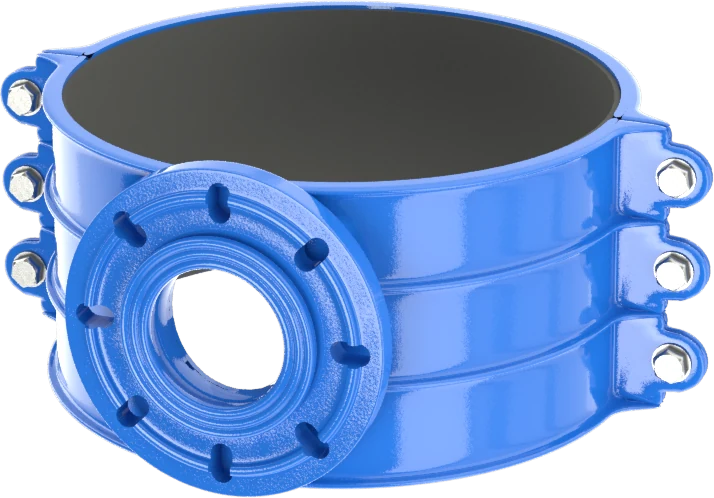
GA02 · 3 families · 503 references
Ductile iron fittings
GGG-50 elbows, tees, reducers and spools to UNE-EN 545.
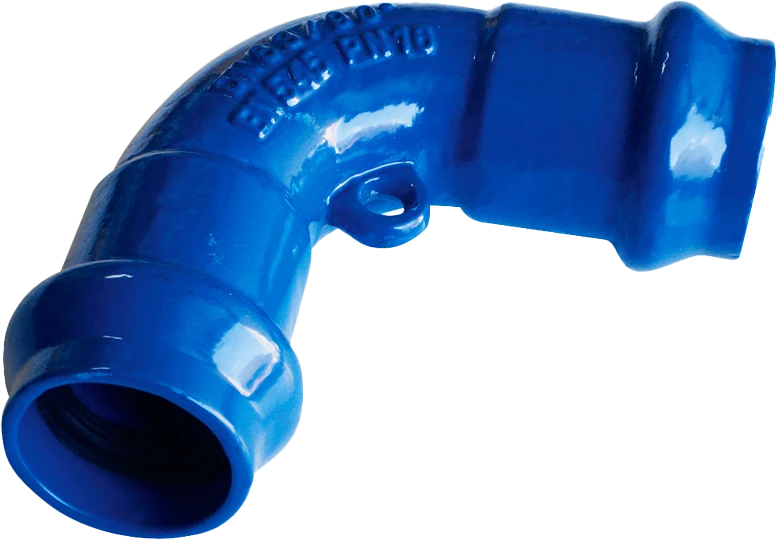
ductile iron fittings families
Click a family to see its technical data sheet and all its references.
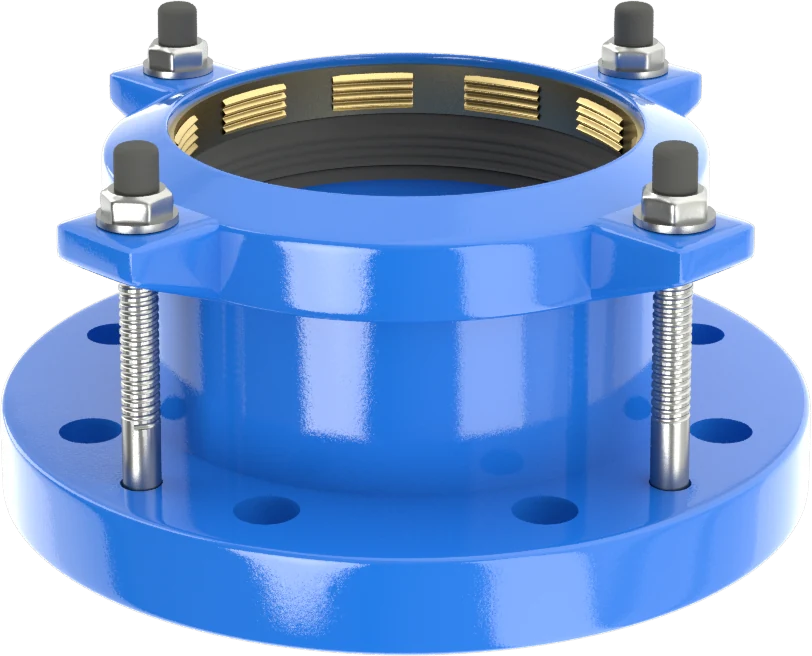
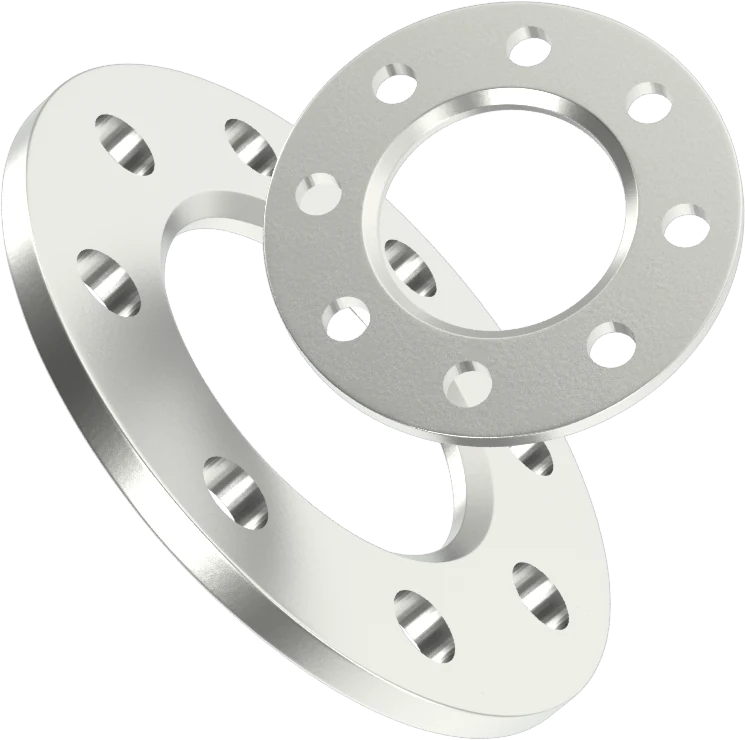
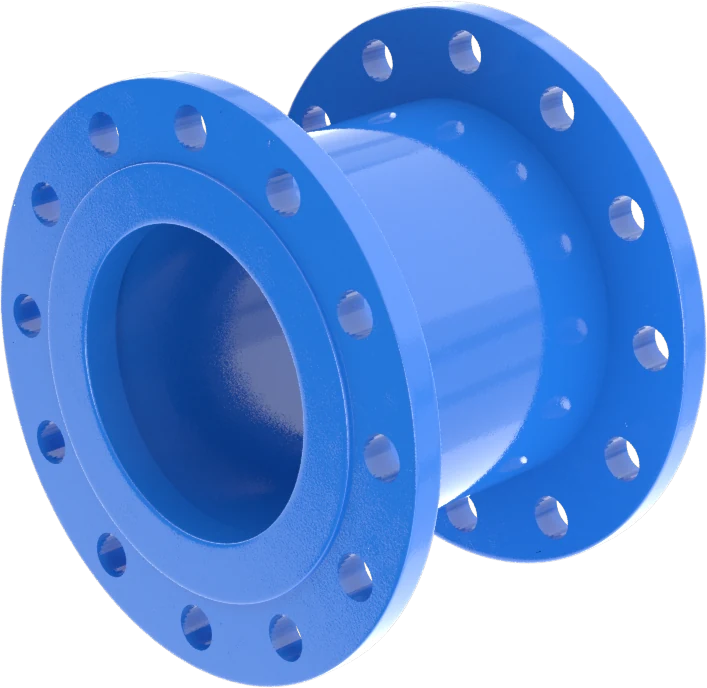
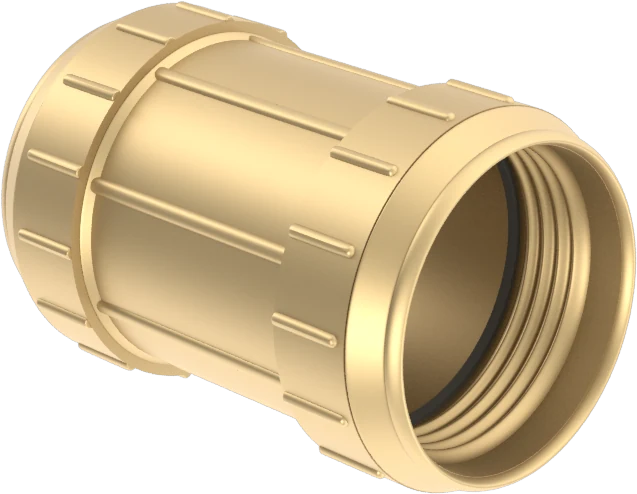
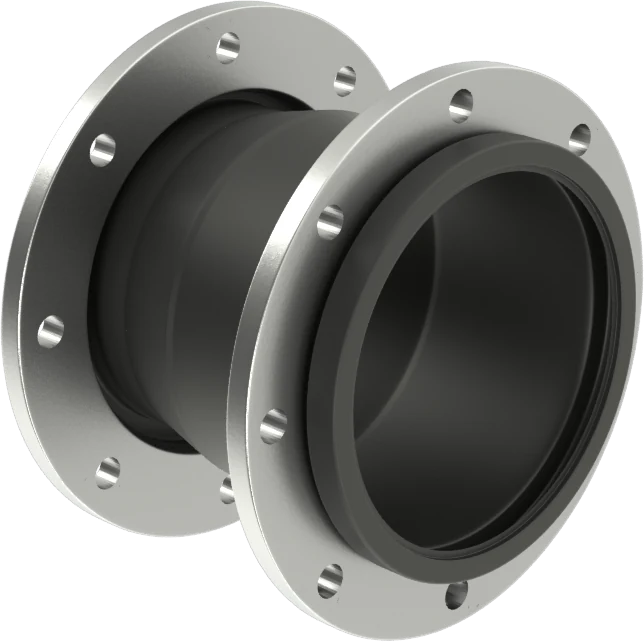
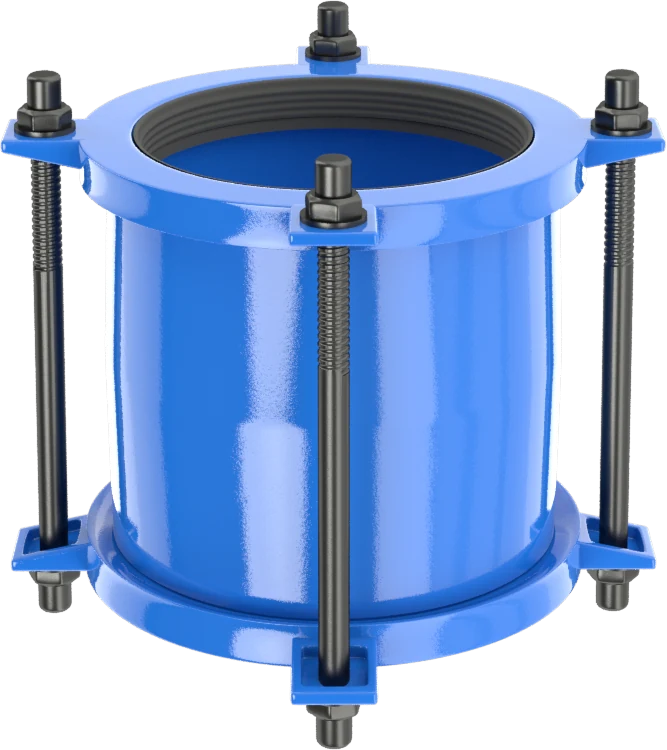
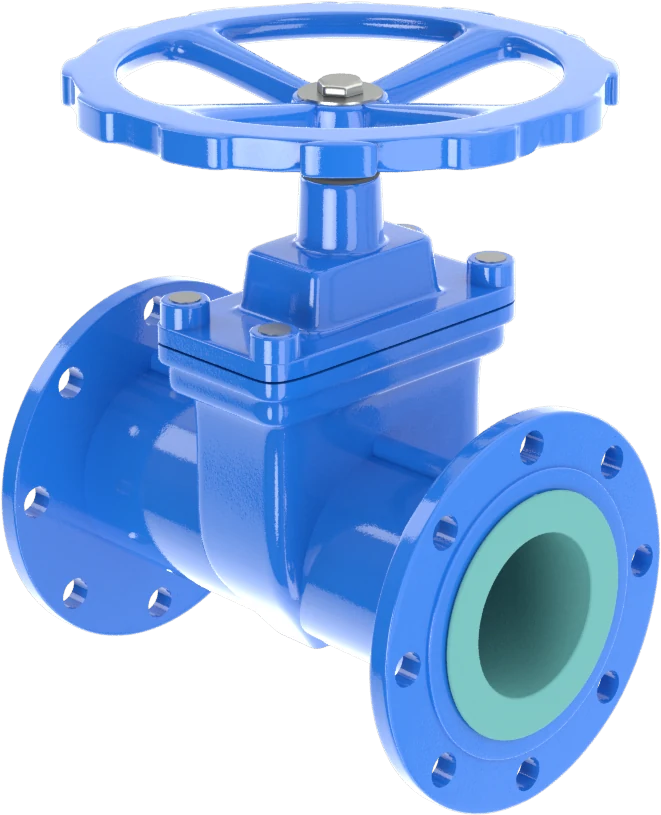
GA02-1Socket fittings for PVCComplete range of GGG-50 ductile iron fittings for PVC pipes. Includes elbows, tees, reducers and flanges manufactured to the strict UNE-EN 545 sta…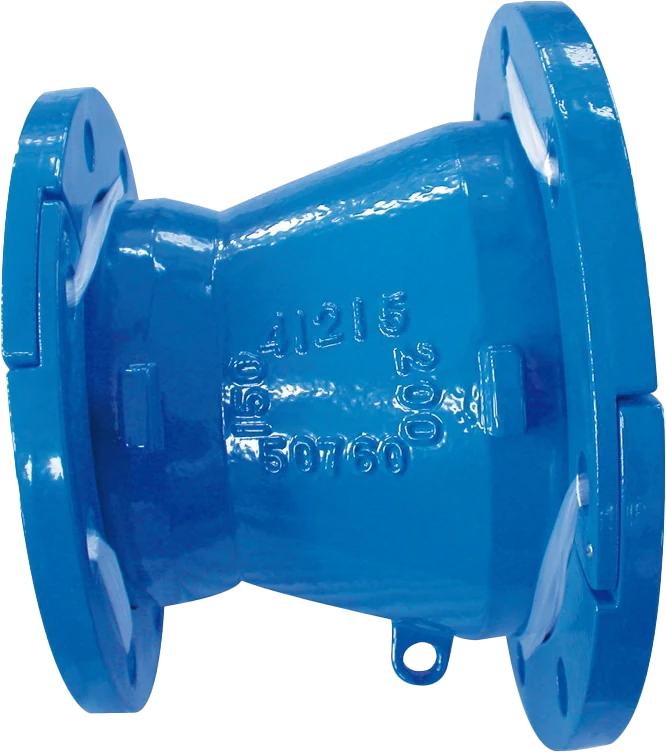 GA02-2Flanged fittingsComplete range of flanged fittings for building highly reliable networks. Includes elbows, tees, crosses and dismantling joints, made of GGG-50 duc…
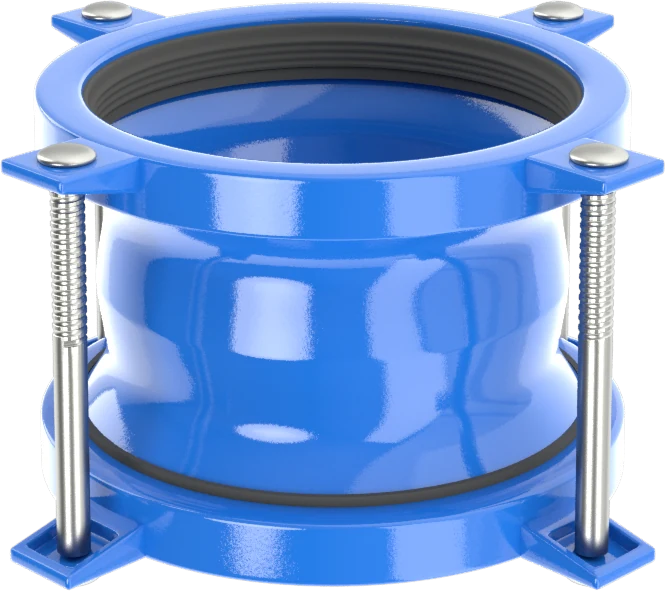
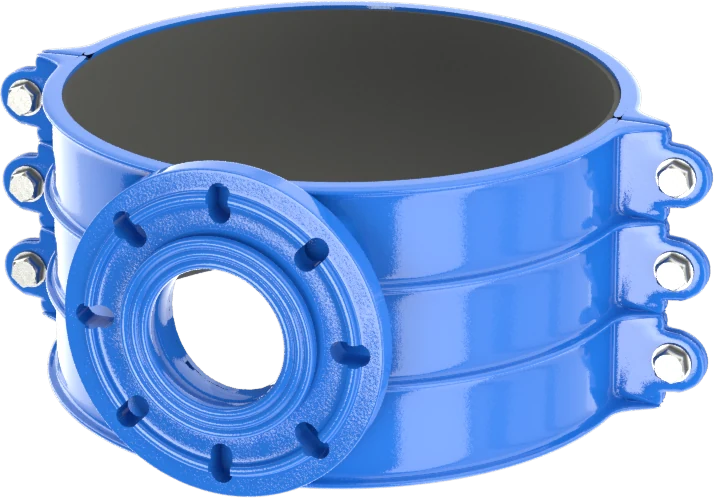
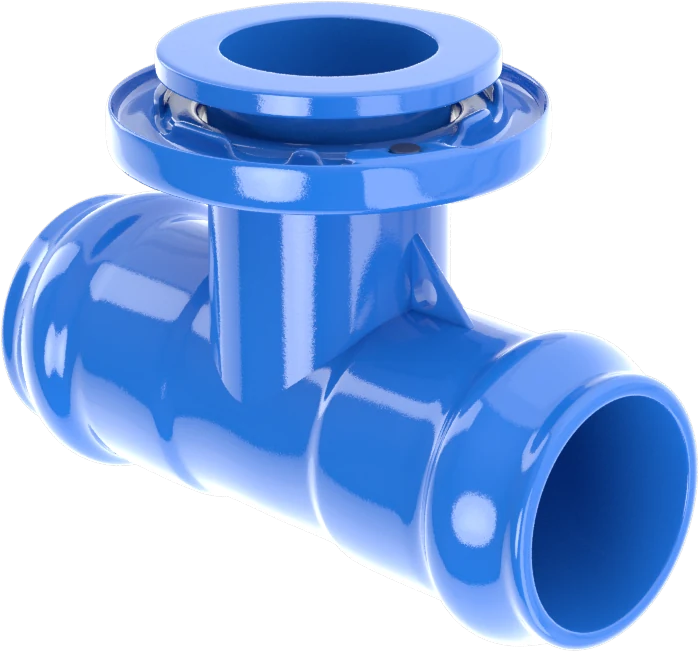 GA02-3Mechanical-joint fittingsDuctile iron elbows, tees, reducers and sleeves with mechanical joint (MJ socket) connection for cast iron pipe. A dismountable, watertight connect…
Read the full guide
Ductile iron fittings: The definitive solution for water networks
In civil works, water supply or irrigation infrastructure projects, the reliability of every component is critical. A failure in the network not only involves repair costs, but can compromise safety and service. That is why the choice of material for joints and branches is one of the most important decisions. With more than 40 years of experience, at Grupo Almagro we know that ductile iron fittings are the superior solution, offering a unique combination of strength and flexibility that guarantees maximum longevity for your installation.
Why choose ductile iron fittings for your project?
Hydraulic engineering experts prefer ductile iron over materials such as PVC or steel for a set of decisive technical advantages. These fittings are not just connecting pieces; they are an investment in the durability and efficiency of the entire network.
Unbeatable mechanical strength
Ductile iron is designed to withstand the most demanding conditions. Its molecular structure gives it high tensile and impact strength, allowing it to withstand high pressures, loads from ground with heavy traffic and ground movement without deformation. While other materials may fracture, ductile iron maintains its integrity.
Durability beyond 50 years
Thanks to their exceptional corrosion resistance, especially with high-quality epoxy coatings, ductile iron fittings can exceed 50 years of service life with minimal maintenance. This longevity reduces the project's life-cycle costs and guarantees consistent performance, even in drainage networks exposed to chemical agents.
Guaranteed safety and watertightness
Ductile iron jointing systems, whether flanged, mechanical joint or restrained, are designed to create a perfect seal. This prevents leaks, minimises water losses—an increasingly valuable resource—and protects the environment from possible contamination.
Our complete range of fittings
At Grupo Almagro, we offer a complete range of ductile iron fittings and pieces. We organise our offering by joint type to make selection easier.
Flanged Fittings (Rigid Joints)
Ideal for connecting pipes to elements such as valves, pumps or meters. Flanged joints provide a robust connection and are easily dismantled for maintenance. They comply with UNE-EN 1092-2 for PN10 and PN16 pressures. Our range includes elbows, tees, crosses, reducing cones, blind flanges and dismantling joints.
Mechanical Joint Fittings (Flexibility)
Perfect for buried pipes, their design allows a certain degree of angular deflection without compromising the seal. This makes assembly in the trench easier and allows the pipe to adapt to minor ground settlement. We offer jointing sleeves, mechanical joint elbows and universal couplings.
Fittings for PVC Pipes
Designed to create reliable transitions between ductile iron networks and PVC pipes. They use Euro-type sockets and high-quality EPDM gaskets to guarantee a secure connection, offering maximum versatility in mixed-material projects.
Key applications in civil works and irrigation
Our experience of more than four decades is focused on the most demanding sectors. Grupo Almagro fittings are the backbone of countless projects in the following areas:
- Potable Water Supply Networks: We guarantee maximum safety and water quality thanks to our epoxy coatings approved for human consumption.
- Drainage and Wastewater Systems: The robustness of ductile iron makes it ideal for drainage networks, where materials are exposed to aggressive chemical conditions.
- Agricultural Irrigation Infrastructure: In the field, our fittings provide the reliability farmers need to optimise water use and secure their crops.
Certified quality: Our commitment
Our customers' trust is based on our commitment to quality. All fittings supplied by Grupo Almagro are manufactured in EN-GJS-500-7 (GGG-50) material and rigorously comply with the most demanding European standards:
- UNE-EN 545: The reference standard for ductile iron pipes and fittings in water pipelines.
- UNE-EN 14901: Specifies the requirements for epoxy powder coatings, ensuring the most effective anti-corrosion protection.
Frequently Asked Questions about ductile iron fittings
What advantages do they have over PVC or steel? Ductile iron is more impact-resistant than PVC and has greater corrosion resistance than steel, giving it a much longer service life with less maintenance.
What are the most common mistakes when installing them? The most frequent errors include inadequate pipe preparation, over-tightening of bolts and choosing the wrong fitting for the working pressure. It is essential to clean the surfaces and use a torque wrench.
When is a restrained joint necessary? They are indispensable at points where strong hydraulic thrusts are generated that could cause separation, such as at bends, reducers, line ends and sections with steep gradients.
What do the abbreviations PN10, PN16 and PFA mean? PN (Nominal Pressure) is an identifier for the pressure class in bar (PN10 = 10 bar). PFA (Allowable Operating Pressure) is the maximum pressure a component can withstand in continuous service.
Are they compatible with pipes from other manufacturers? Yes, our fittings follow strict European dimensional standards, which guarantees their compatibility with pipes from any manufacturer that complies with those standards.
From the blog: guides on this family
More news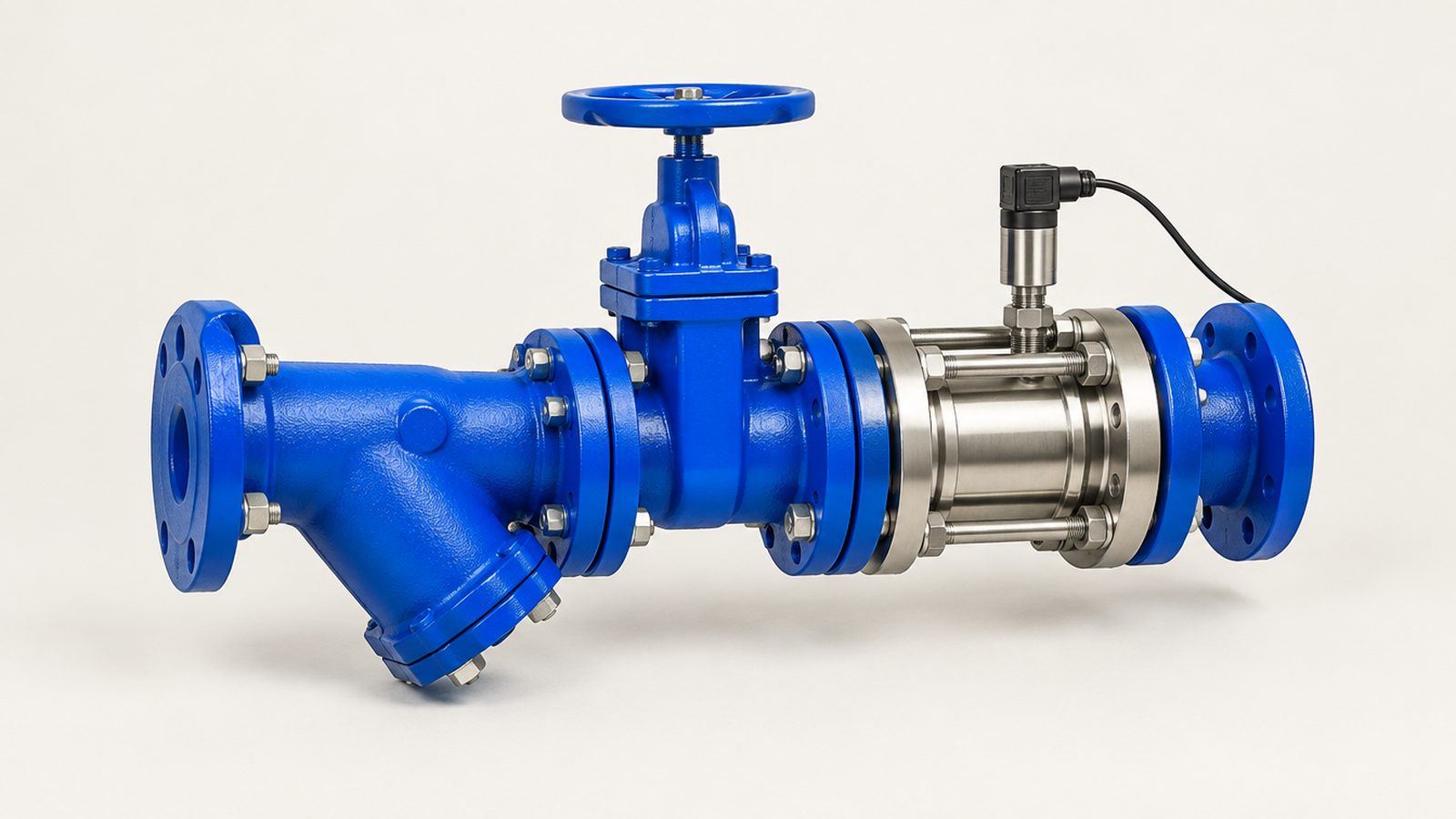 12 May 2026Digitalisation of irrigation communities: which hydraulic parts a remote-controlled control head needsThe PERTE for digitalisation of the water cycle has funded hundreds of remote-control projects in irrigated areas. Sensors and solenoid valves are the visible part; underneath, you need hydraulics that do not fail.
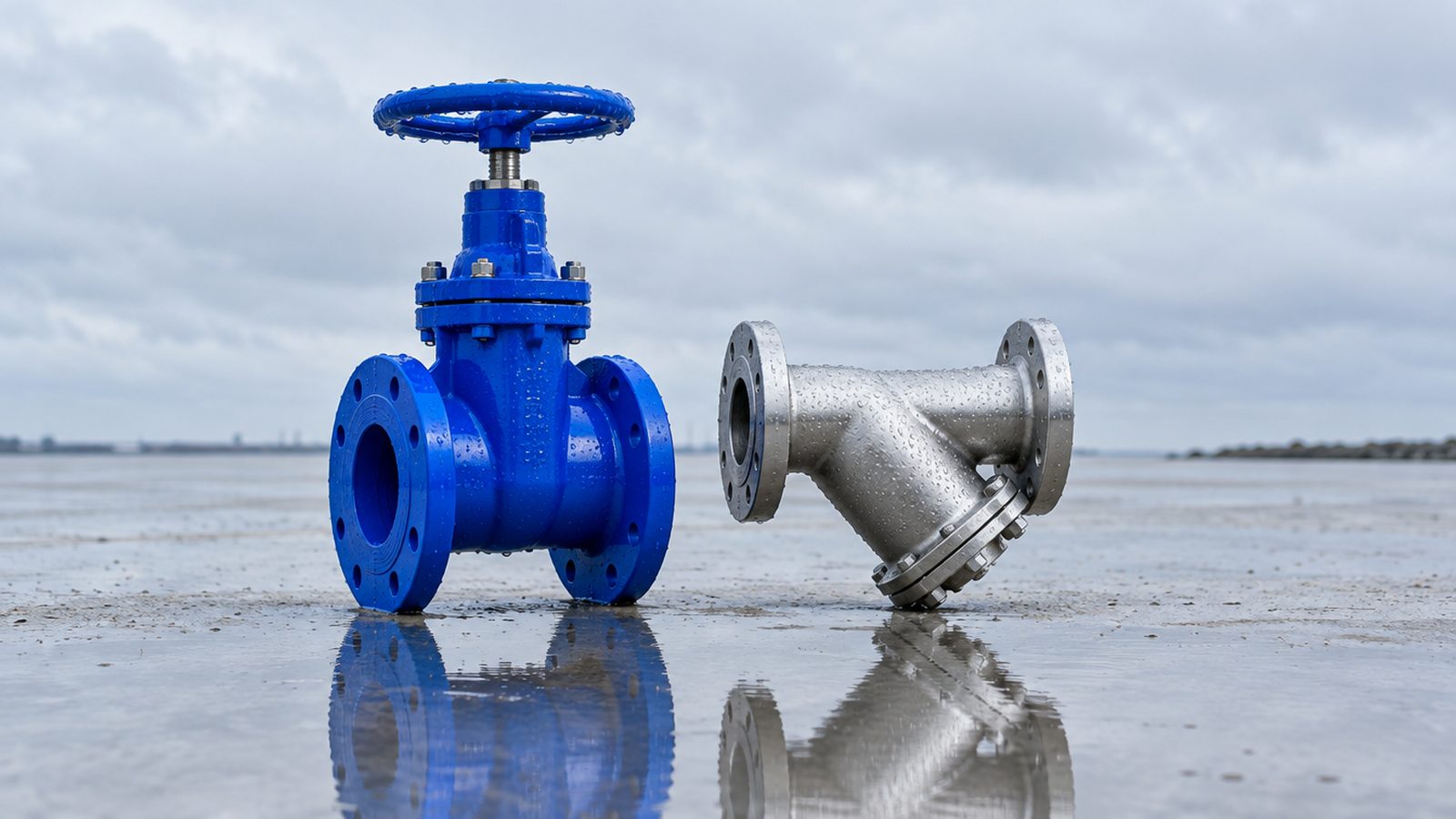 21 January 2026Reclaimed and desalinated water in irrigation: what it demands of valves and fittingsSpain reuses more water than any other European country, and the south-east irrigates more and more with desalinated water. These are different waters: more salts, more chlorine, more aggressive to metal. This is how we manufacture for them.
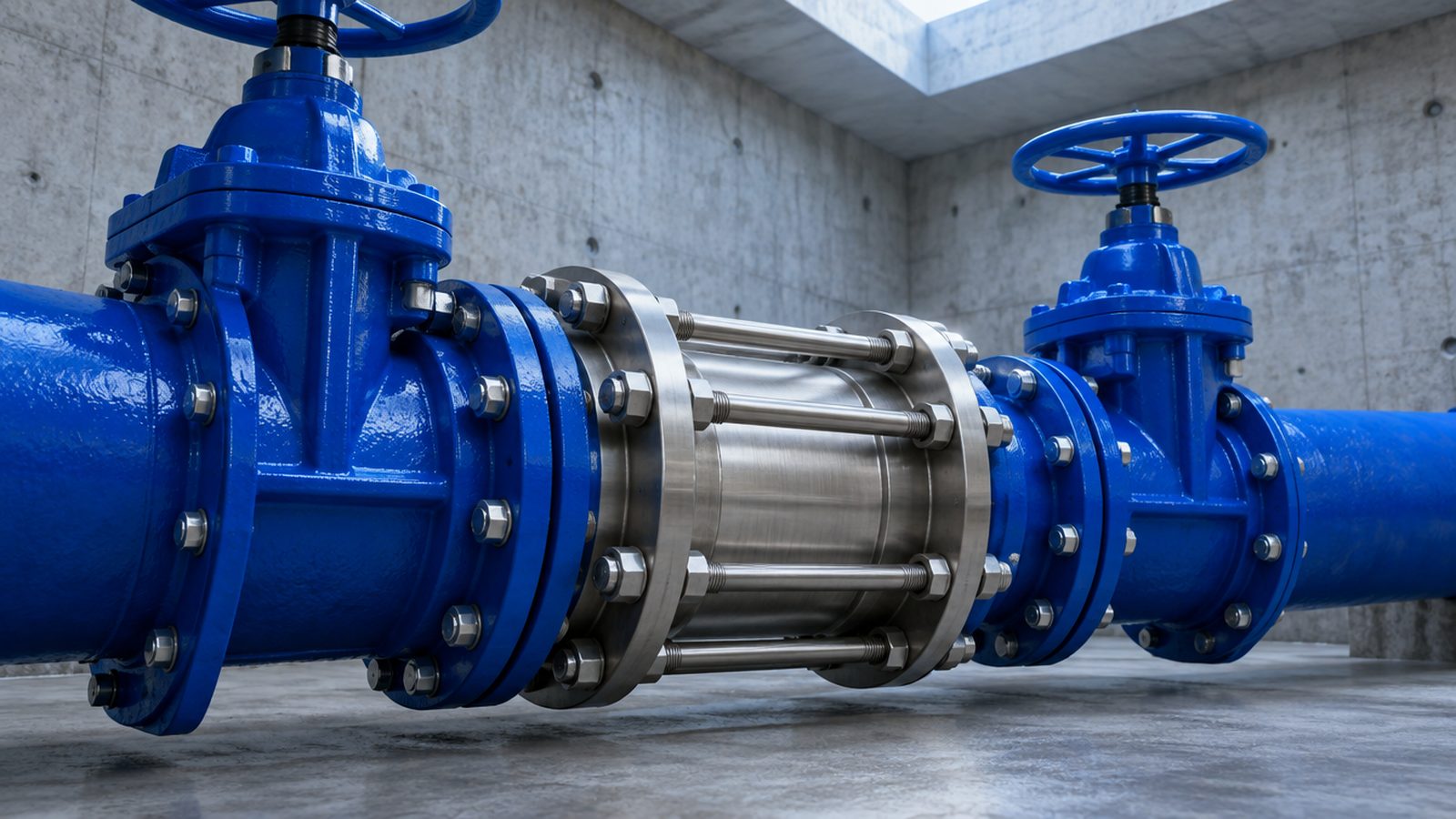 9 December 2025Dismantling joints: what they are for and how to size them in a valve chamberIt is the part nobody sees until a valve has to be replaced. What a dismantling joint is, where it goes, how the length is chosen and why we manufacture it in stainless steel.