
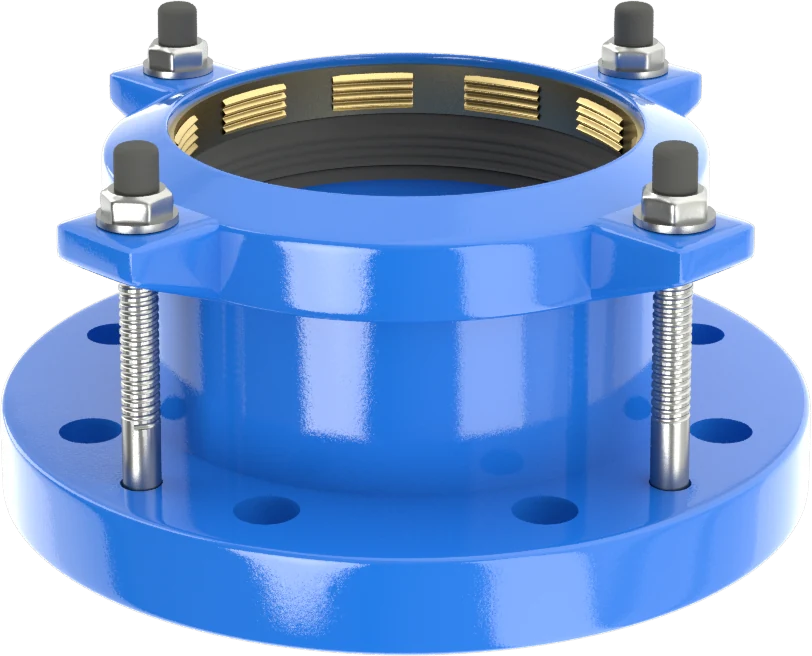
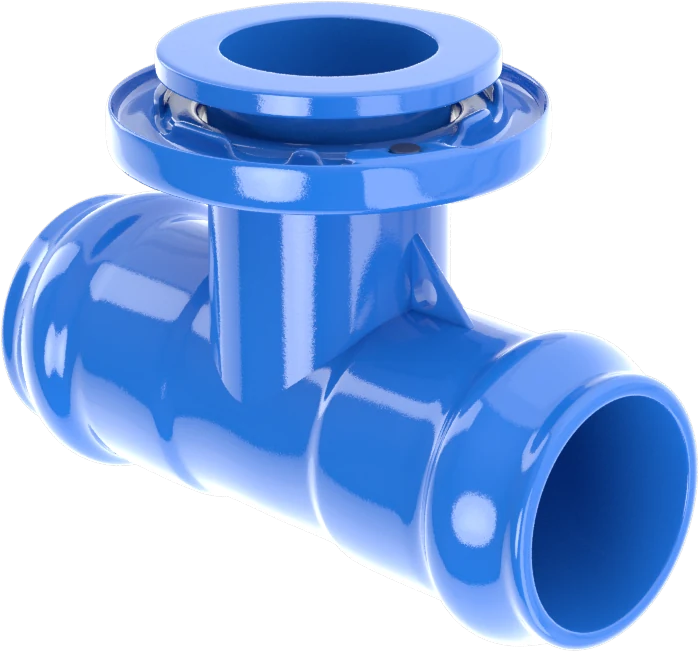
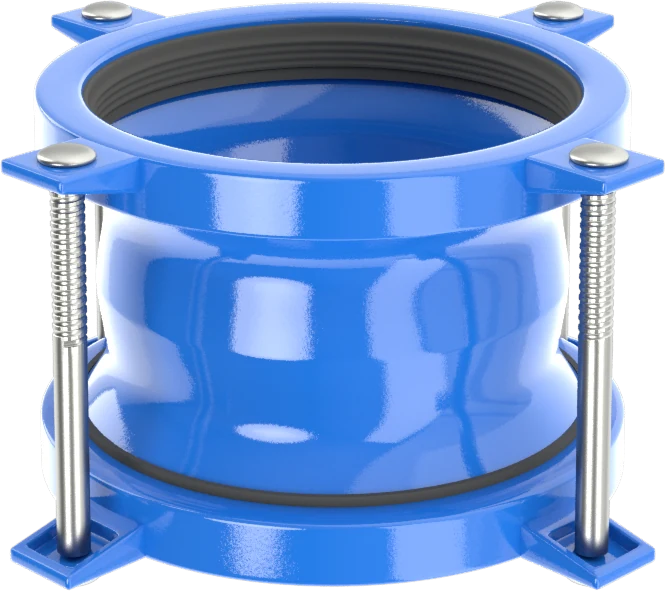
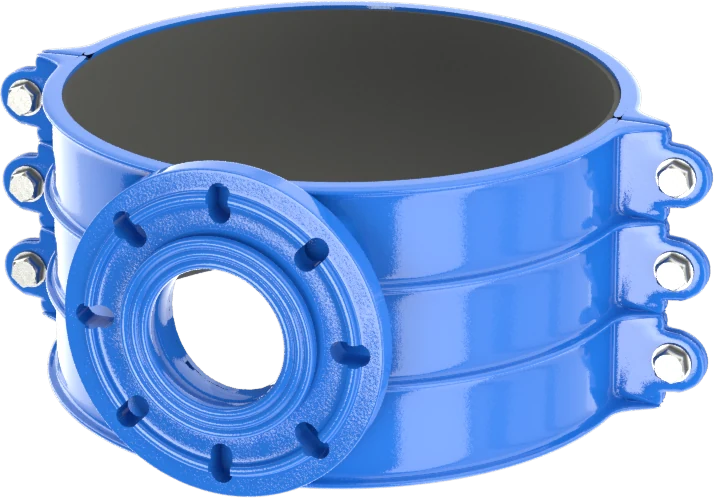
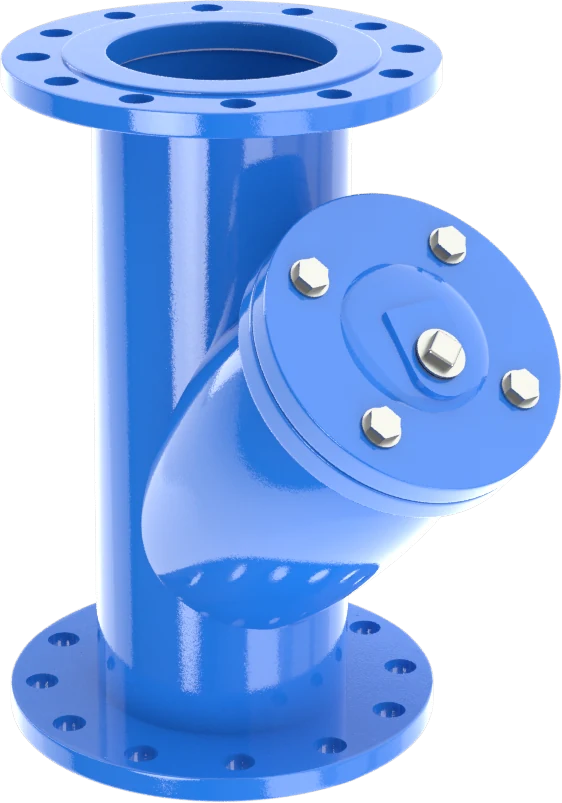
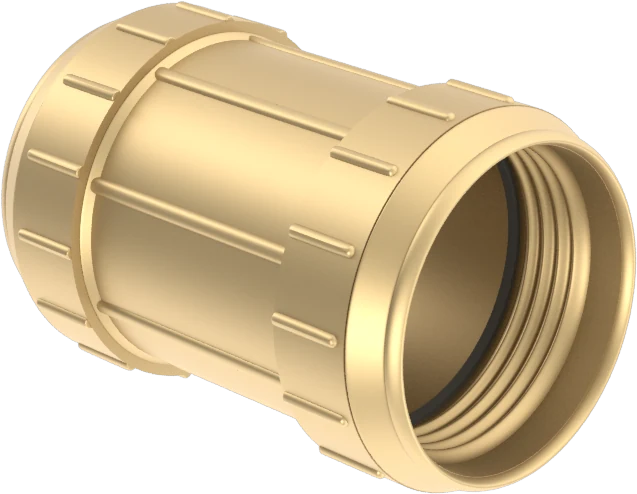
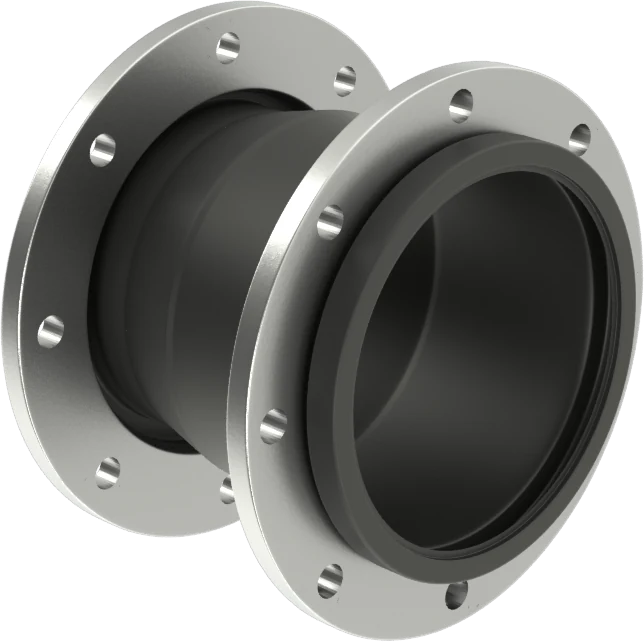
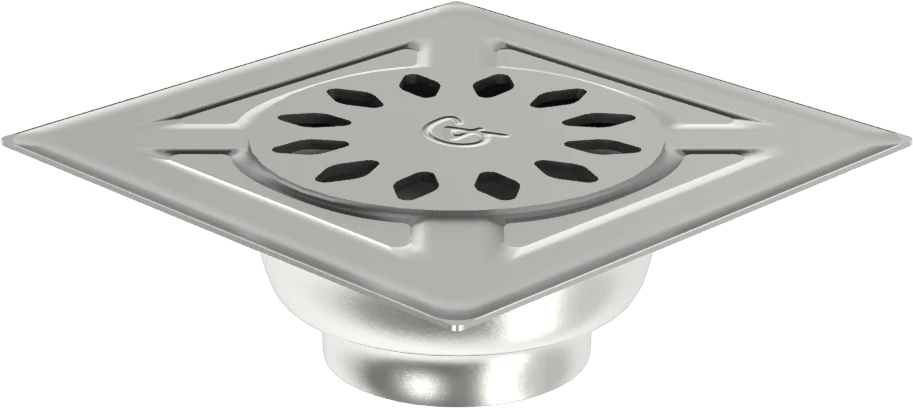
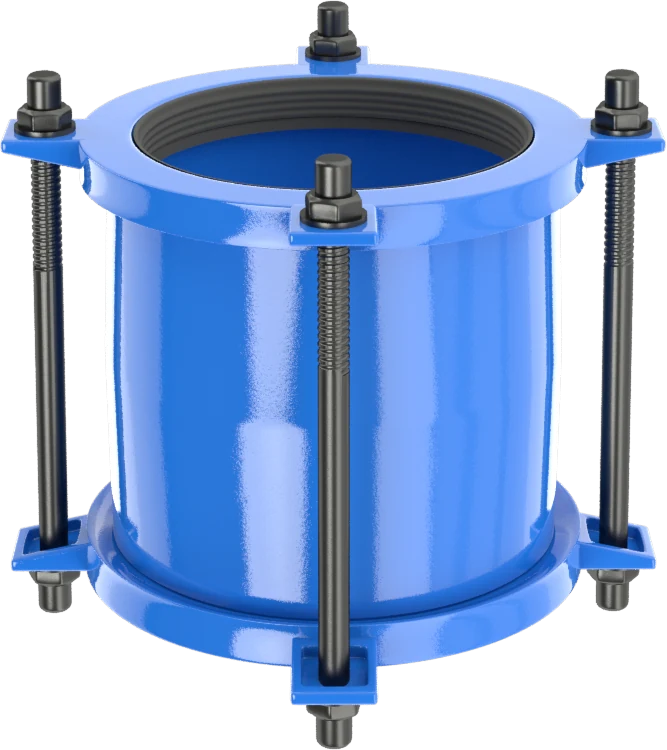
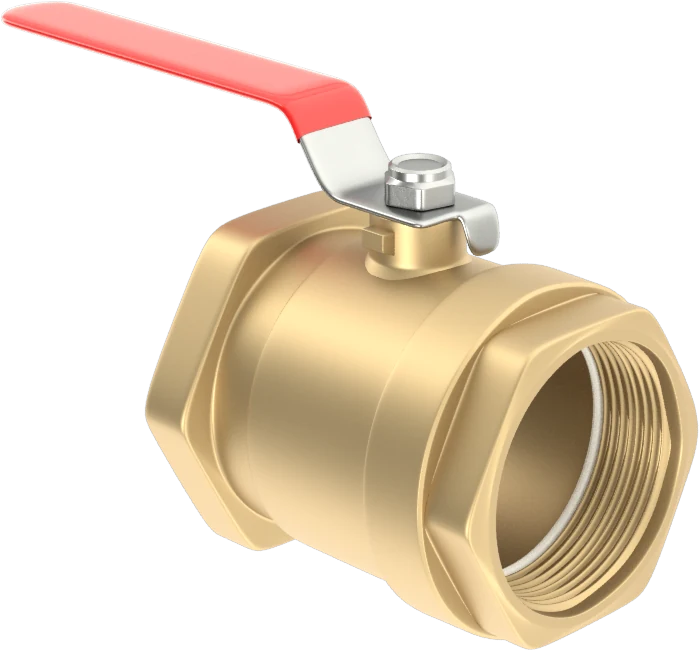
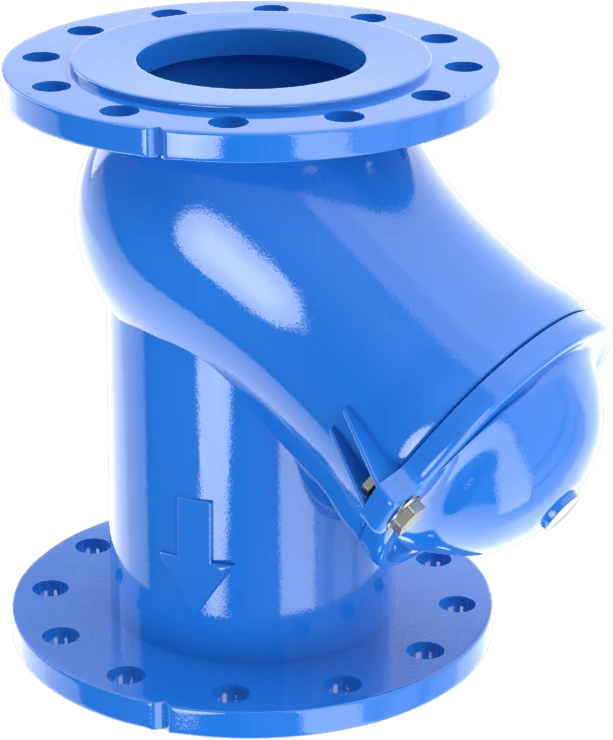
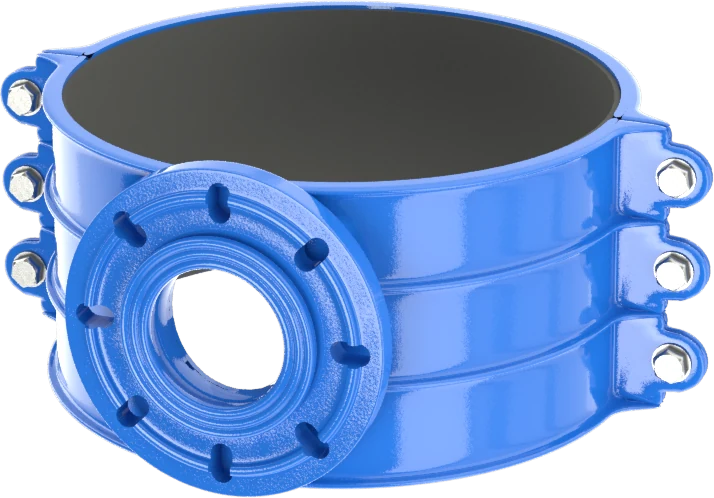
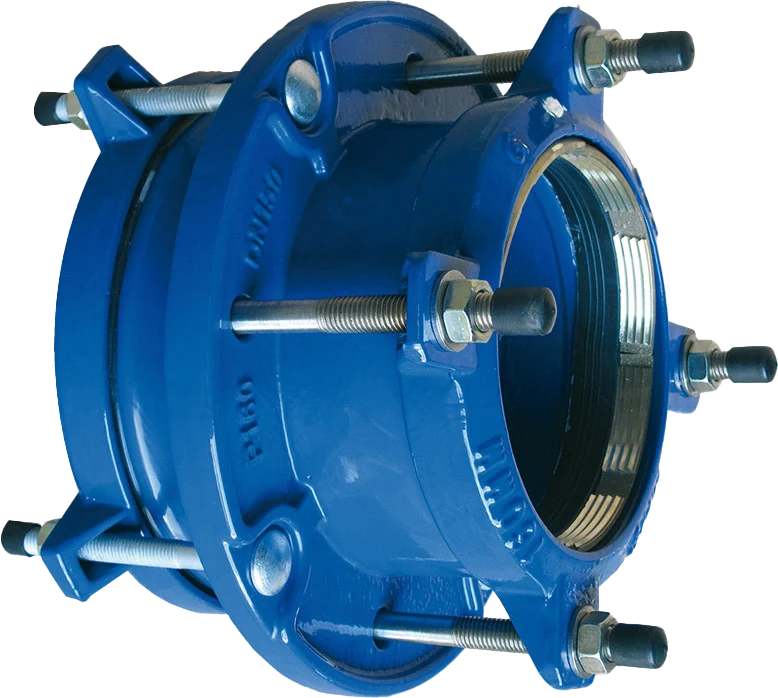
Representative image of family GA01-5
Self-restrained universal transition coupling
Self-locking transition coupling DN 200 · Ø193–215
Ref. UT193215200DN 200In stock
The definitive universal, self-restrained coupling. Connects and locks pipes of different materials and diameters in a single step. Made of ductile iron, it eliminates the need for anchoring and solves the most demanding repairs and transitions.
- Nominal diameter
- DN 200
- Family
- GA01-5 · Self-restrained universal transition coupling
- ERP description
- UNION DE TRANSICION 193/215 DN 200
- Body and rings: High-strength GGG-50 ductile iron.
- Locking system: Toothed rings of high-strength steel or brass for secure mechanical anchoring.
- Sealing gasket: Wide-range EPDM rubber, ensuring watertightness across multiple diameters and materials.
- Bolts: High-strength steel with advanced anti-corrosion treatment.
- Nominal pressure (PN): 16 bar.
- Dual functionality:
- Wide range: Accommodates significant variations in pipe outside diameter.
- Self-restrained: Provides complete axial restraint, eliminating the need for external anchoring.
Other self-restrained universal transition coupling sizes
All referencesFrom the blog: guides on this family
More news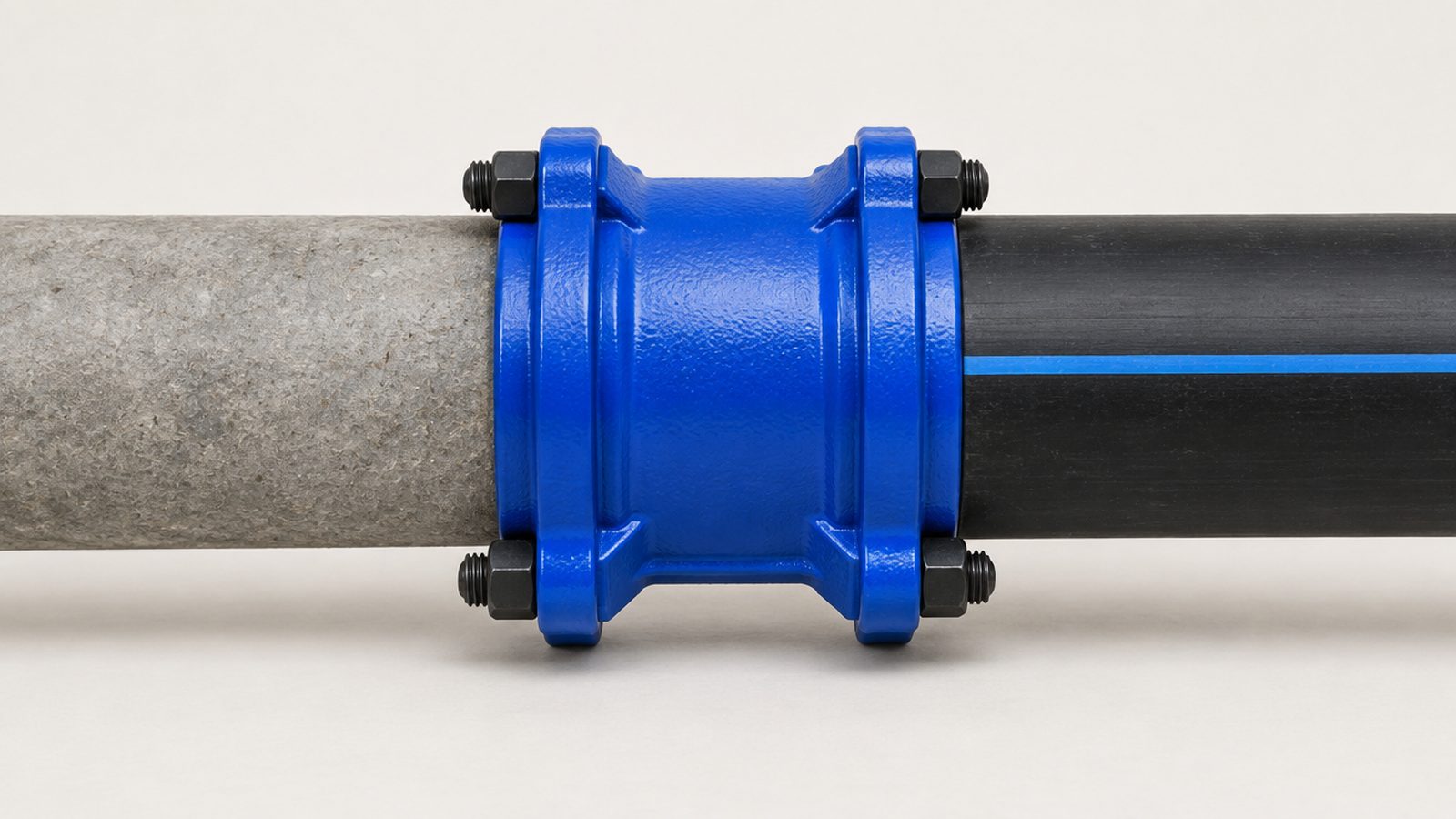 28 April 2026How to connect an asbestos cement pipe to PVC or HDPE without replacing the whole networkThousands of kilometres of asbestos cement pipe are still in service. When you have to join it to new pipe, the right part depends on the outside diameters and on whether there is a risk of pull-out: Gibault joint, wide-range coupling or self-anchoring transition coupling.
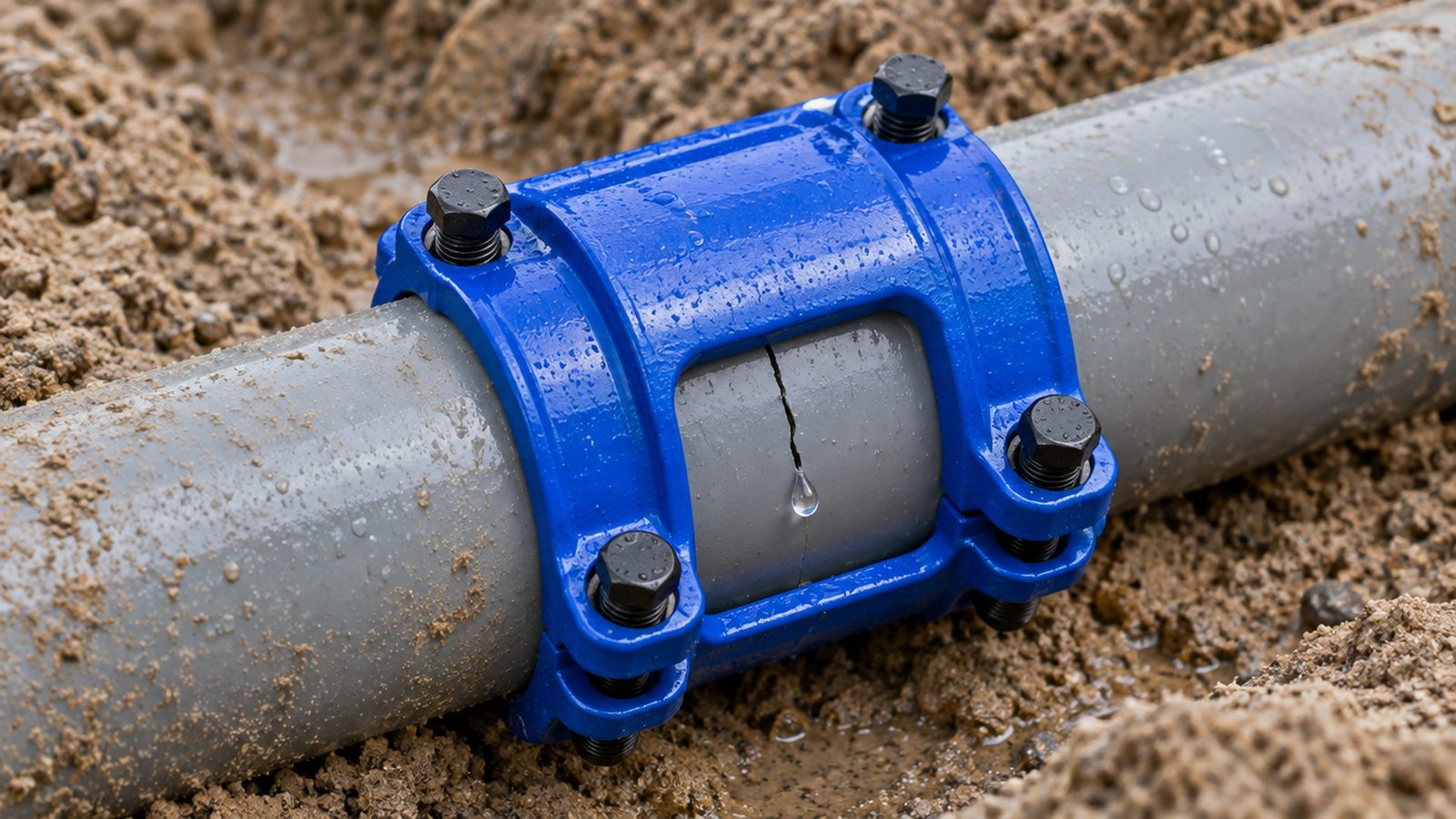 19 August 2026How to repair a leak in a buried PVC pipe without stopping irrigationAnti-pull repair collar or stainless steel repair clamp: which to use depending on the type of break, how it is fitted in the trench and why the repair withstands the pressure of the irrigation season.
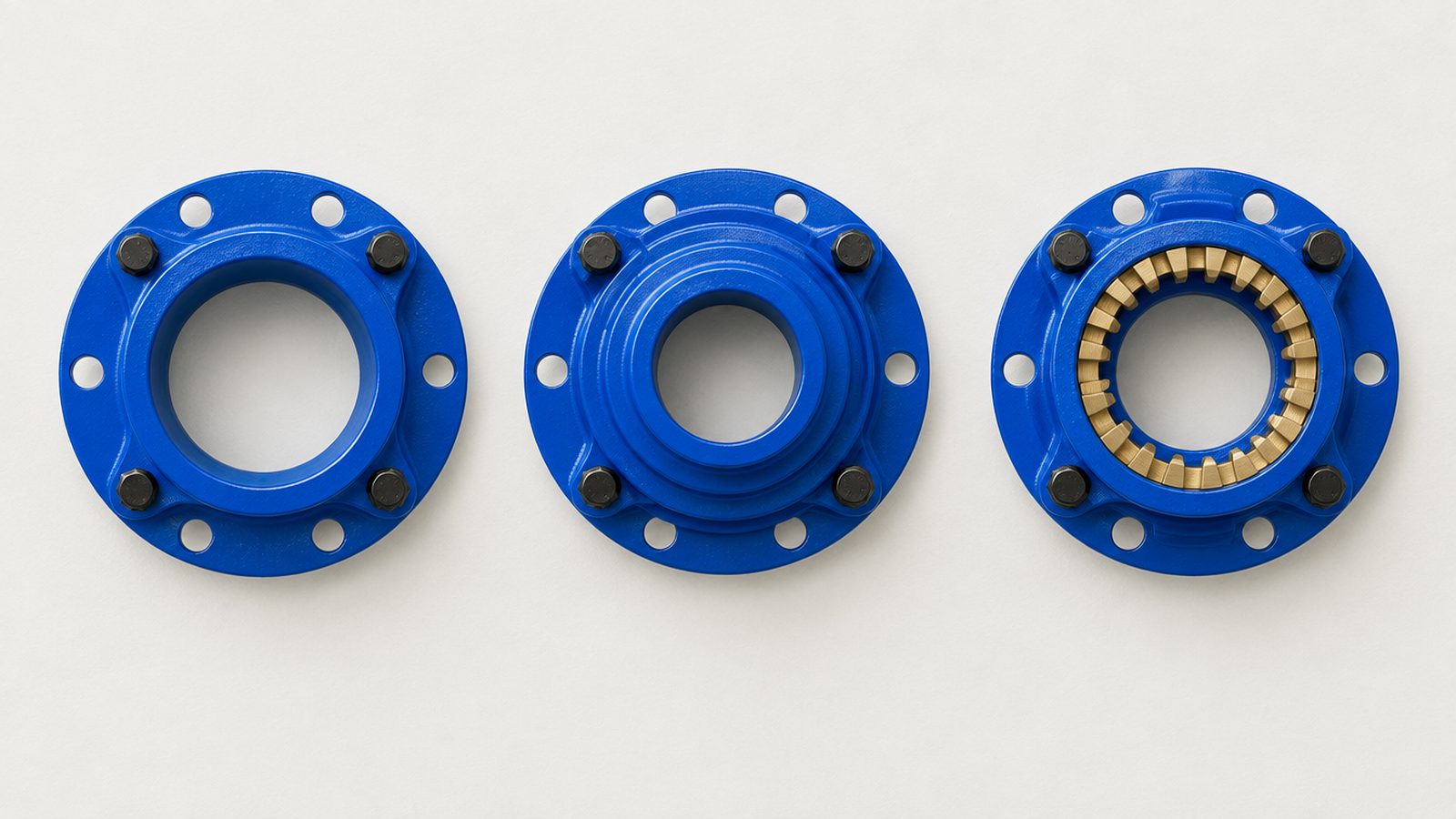 10 March 2026Universal, wide-range or anti-pull flange adaptor: which to choose to connect pipe to a valveAll three go from plain pipe to flange, but they solve different problems: diameter tolerance, transition between materials or axial restraint. A short guide so you do not order the wrong part.